This is where you come to learn about everything we love about wine. The people and the families behind the labels, the estates they built and often fought for, the culture, the heritage and the traditions that shape every bottle, and now and then the food that belongs beside it.
It is what we love to talk about, and the reason we are so passionate about what we do. A wine is never only a wine. It is a place, a person, a way of doing things, and very often a family story that runs back further than anyone can quite remember.
So pour yourself a glass and spend a little time here. New stories arrive regularly, and we hope they give you as much pleasure to read as they give us to write.
Find a producer
Chablis · Guillaume Michel
Louis Michel: The Purity of Chablis
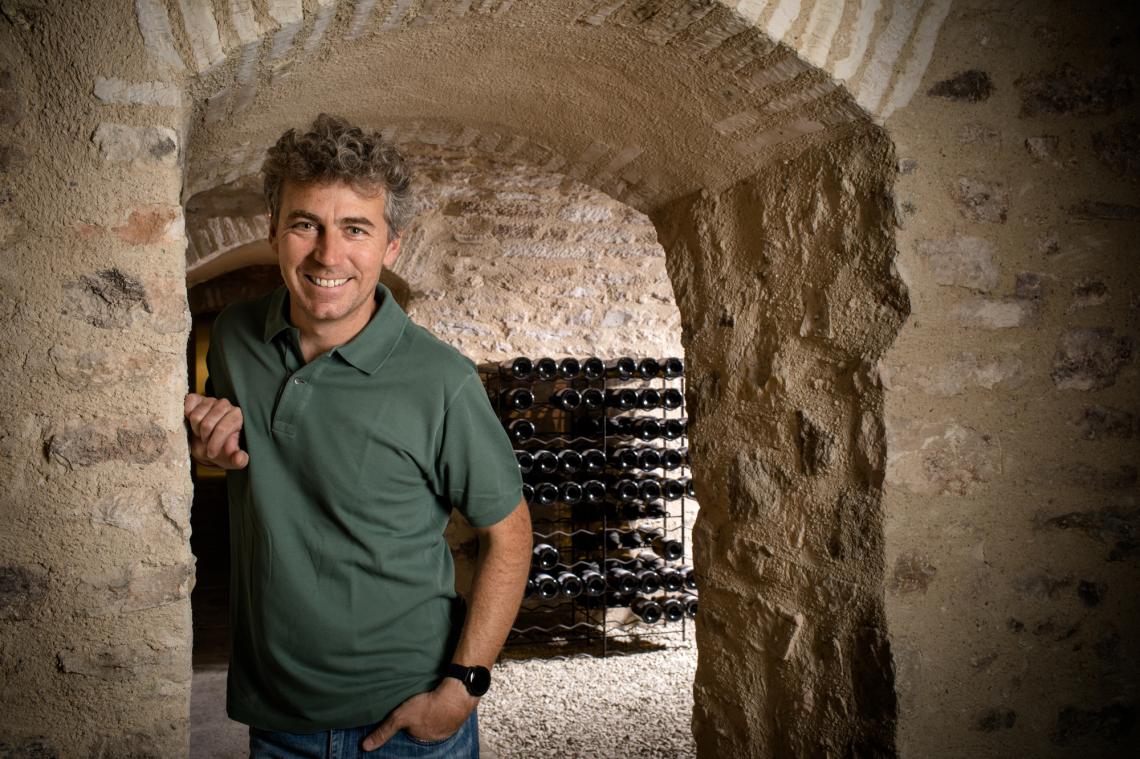
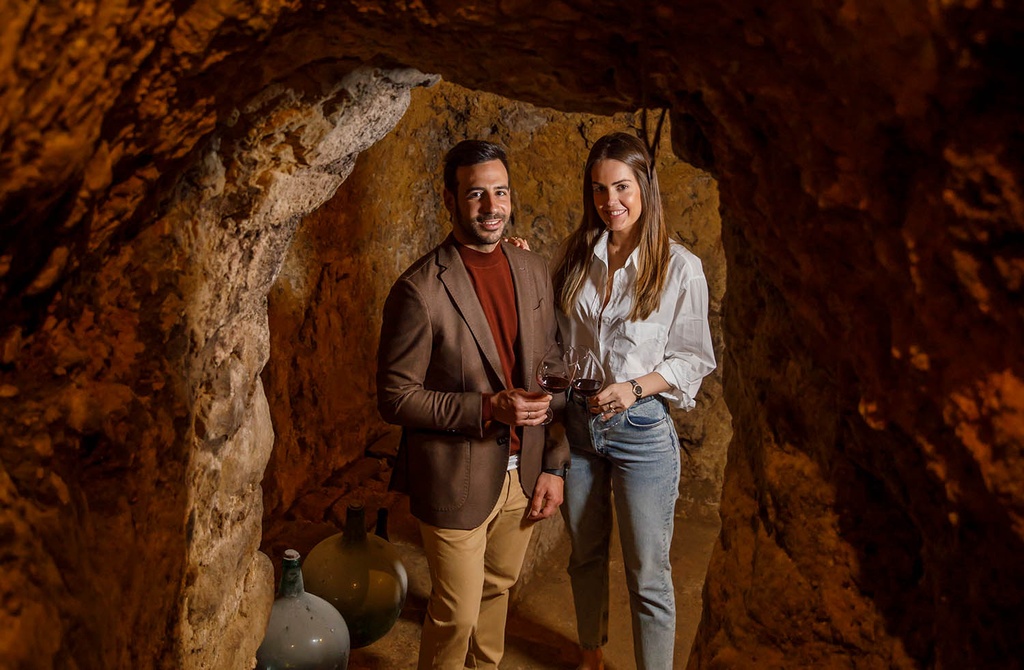
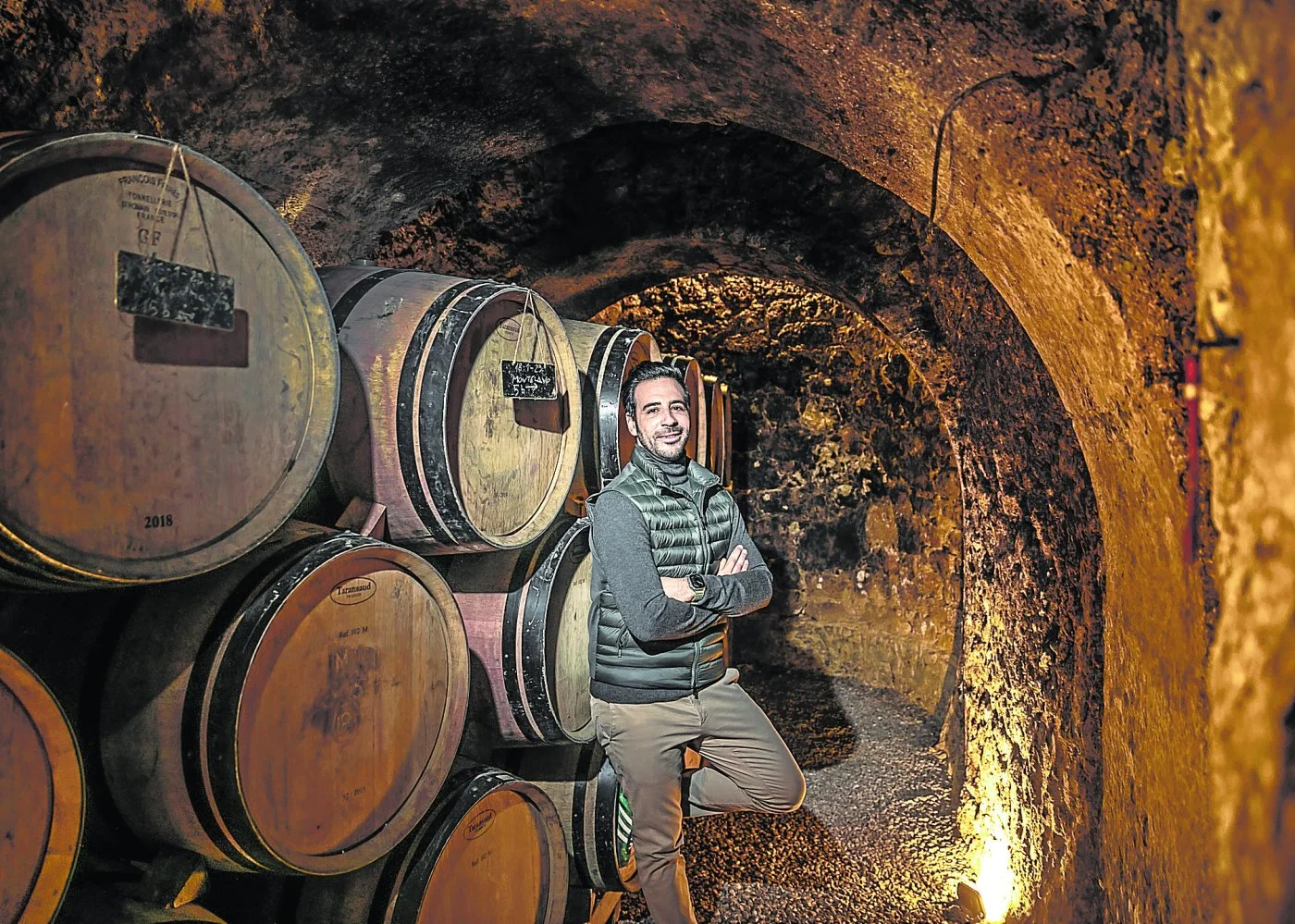
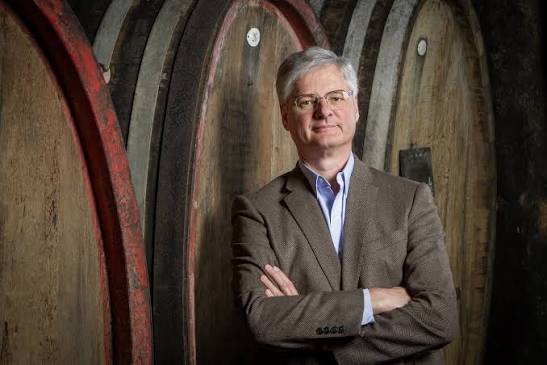
Guillaume Michel in the family cellar
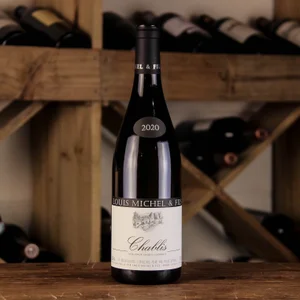
Louis Michel makes Chablis with remarkable clarity. These are wines for those who love the region’s cool precision, its saline freshness and the quiet depth that unfolds with time. Among Chablis’s most respected family domaines, it offers a particularly compelling expression of what makes these vineyards exceptional.
Guillaume Michel carries that conviction forward today. His family has been rooted in Chablis since the nineteenth century, and under his direction the domaine remains deliberately intimate, its focus held firmly on the vineyards themselves.
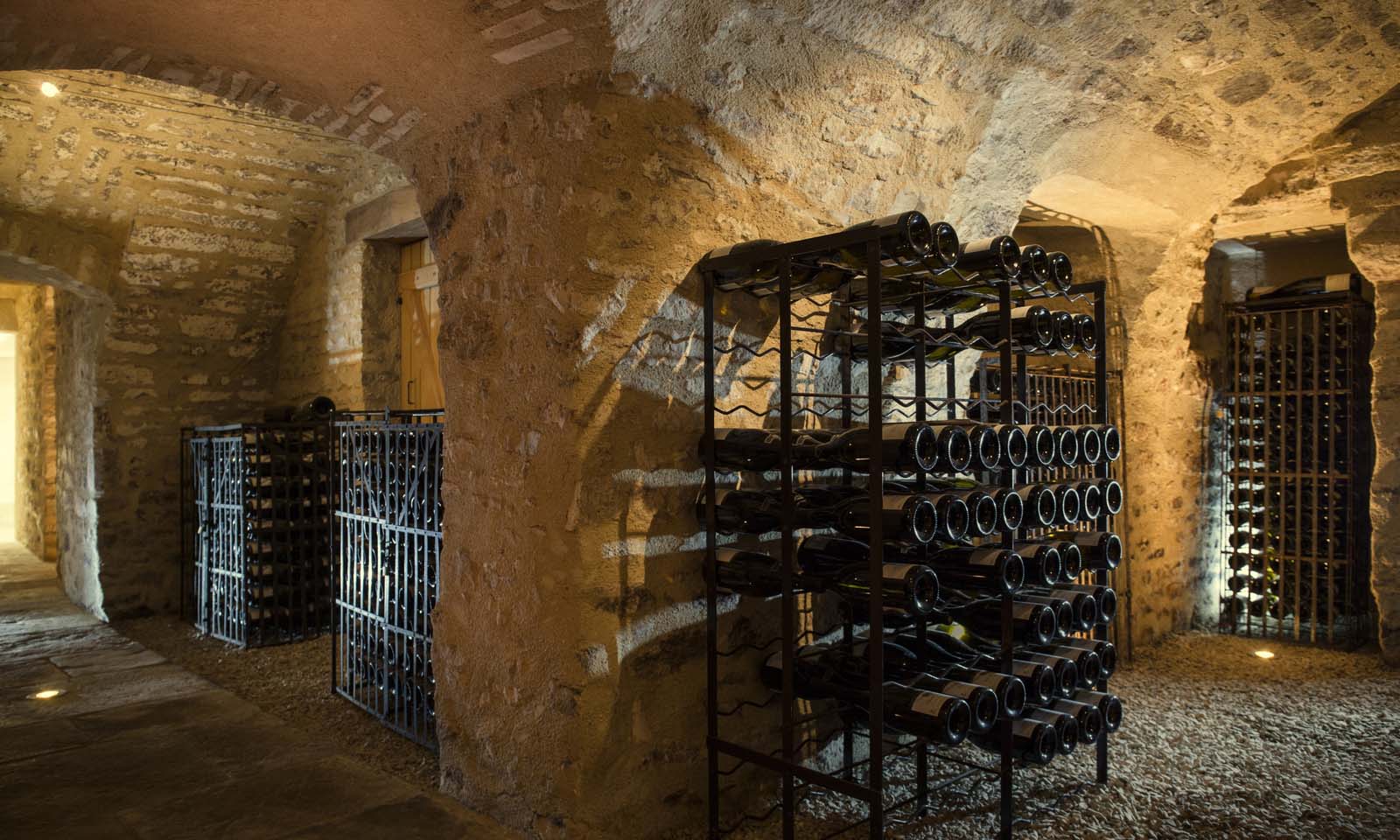
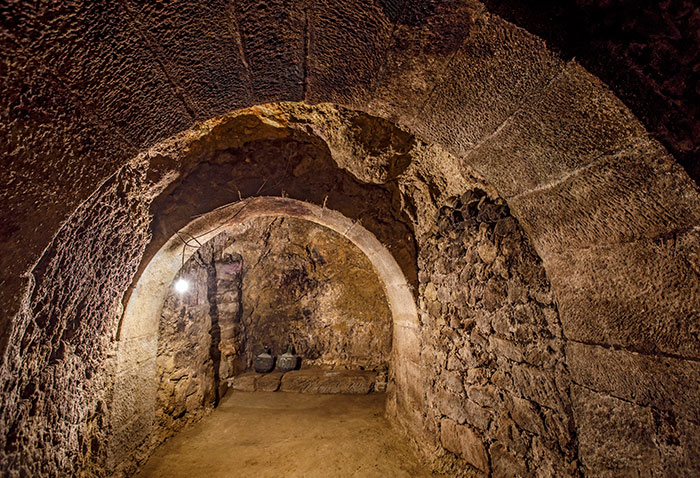
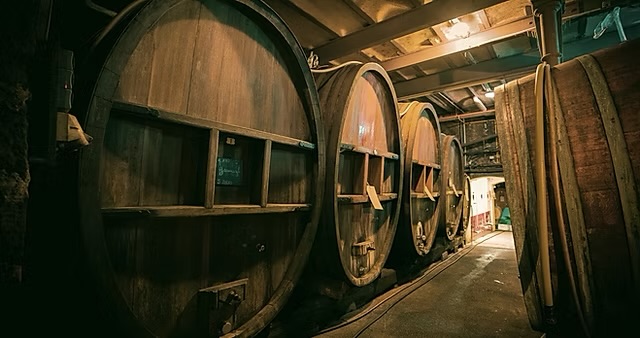
The cellars of Louis Michel
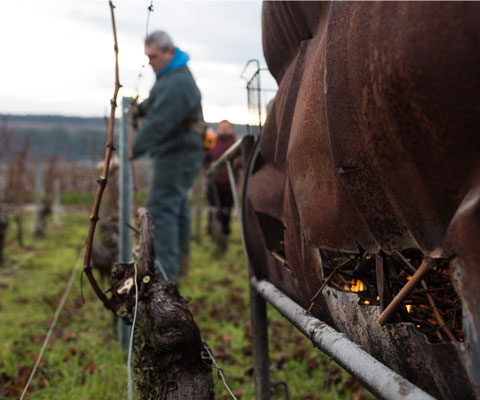
The defining decision at Louis Michel is a refusal of oak. Every wine, from village Chablis to the grands crus, is raised in stainless steel, a path the family chose in the 1970s when it was far from fashionable. Nothing is added to soften or shape the wine. What reaches the glass is the vineyard, and nothing else.
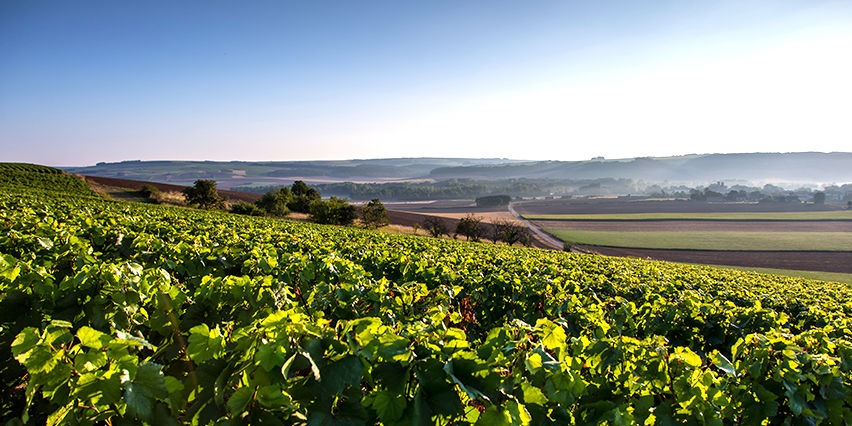
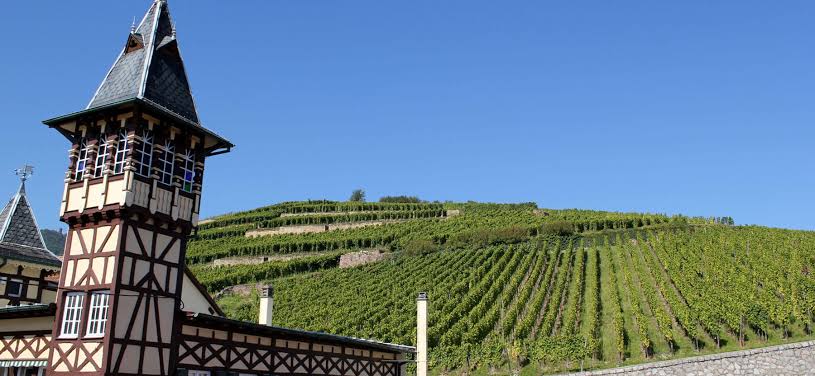
That insistence only makes sense because of the ground beneath. Chablis rests on ancient seabed, limestone and clay scattered with fossilised oysters, and the depth of that soil gives the wines their chiselled mineral core. The domaine works its parcels with patience, fermenting slowly with indigenous yeasts and intervening as little as possible, so that each site speaks with its own voice.
The slopes of Chablis
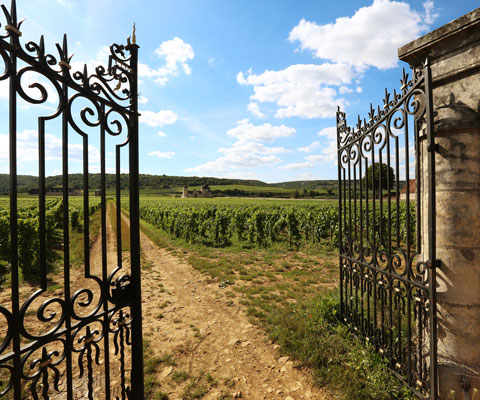
Into the vineyard
The premiers crus show the range of that voice. Montée de Tonnerre offers tension and salinity, Vaulorent a firmer, more concentrated frame drawn from the slopes beside Les Clos. Then come the grands crus, Chablis at its most complete: Les Clos for its breadth and stature, Grenouilles for its lift and finesse, Vaudésir for ripeness held taut by stone.
Patient work through the seasons
Chablis, with nothing between the vineyard and the glass
We place Louis Michel at the beginning of a voyage of discovery in Chablis. Montée de Tonnerre is a compelling place to start, and the grands crus reward those who follow the path further. These are wines that ask nothing of fashion and give everything of place, and we are proud to put them before you.
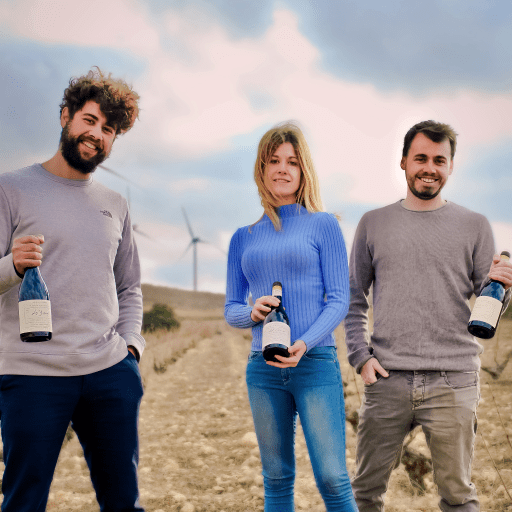
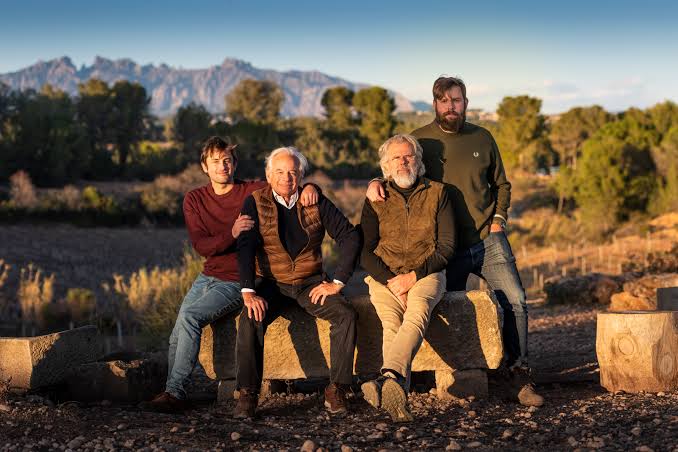
Juanjo, Carlos and Lucía, the next generation at Cerrón
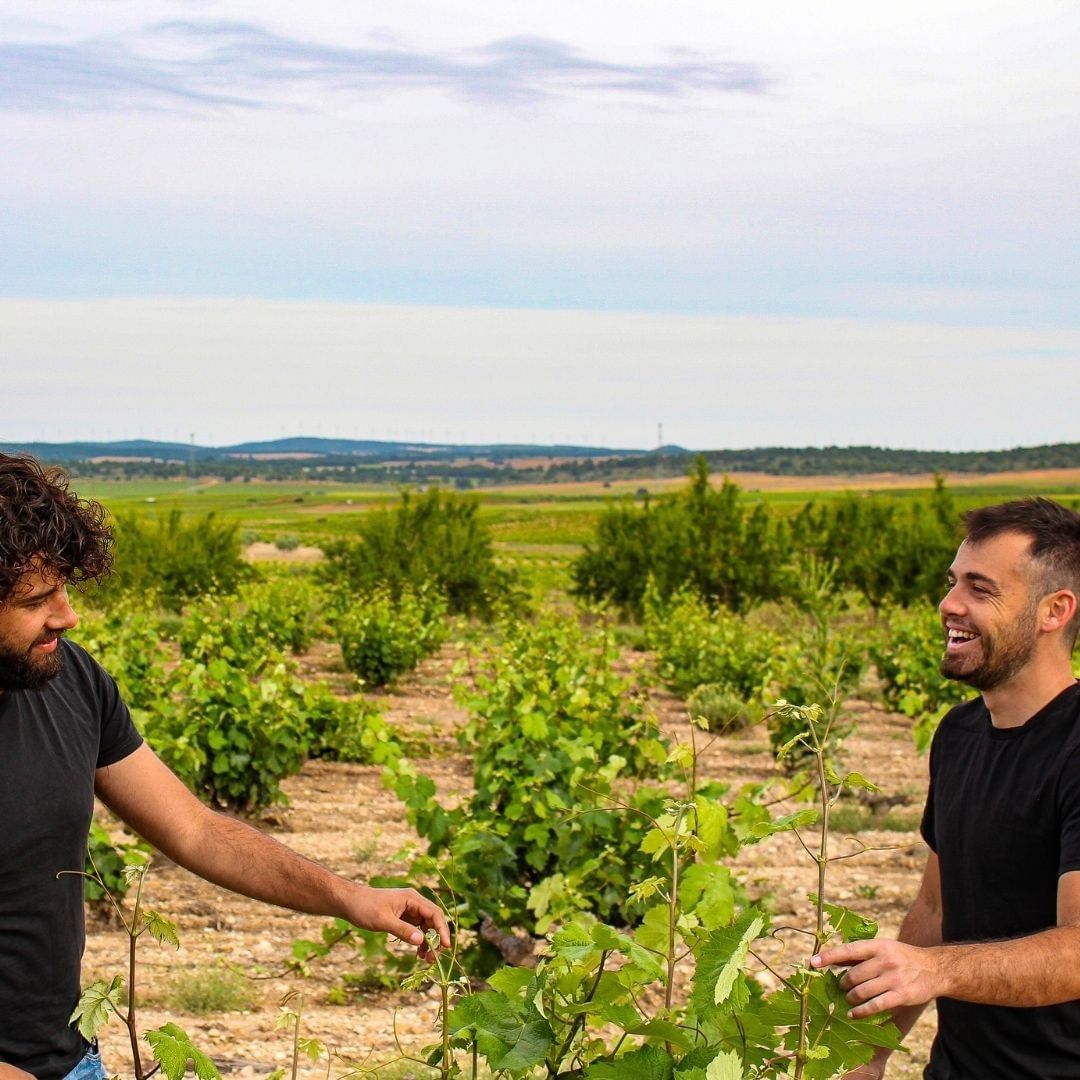
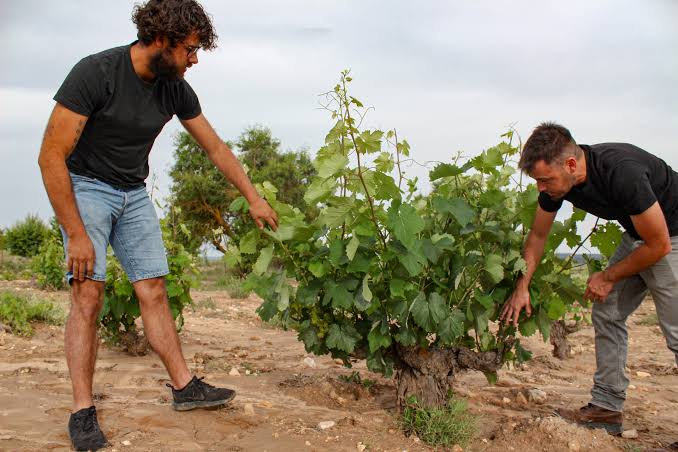
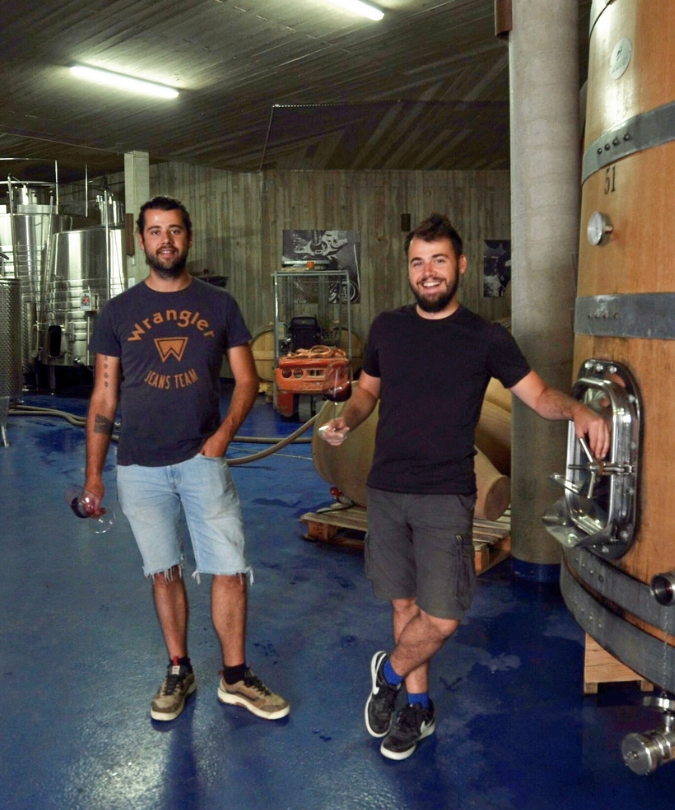
Juanjo and Carlos Cerdán are making Jumilla one of the most exciting places to look in Spain. Their Stratum wines reveal an altogether different side of the region, with a freshness and refinement that deserve international attention. At the pinnacle sits El Cerrico, an extraordinary Airén awarded 100 points.
The brothers come from a family with a wonderfully independent streak. Their parents were, in their own words, the hippies of the village. Long before organic farming became fashionable, they were caring for their vineyards in that spirit, choosing to work with the land rather than impose themselves upon it. The estate began its organic conversion in the early 1990s.
An independent spirit, shared by the family
That outlook still shapes life at Cerrón. The family’s goat cheese dairy belongs to the same world as the vineyards, with livestock and farming closely connected. Biodynamic practices carry those convictions forward. For Juanjo and Carlos, joined by their sister Lucía, this is a way of living that they inherited and have made their own.
Among the vines at Cerrón
A close connection with the land
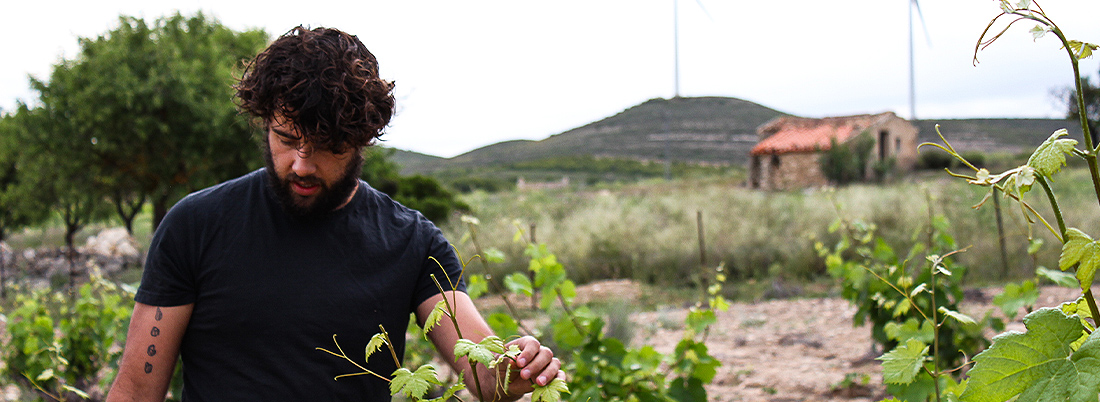
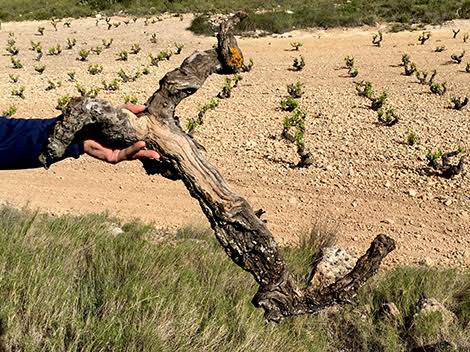
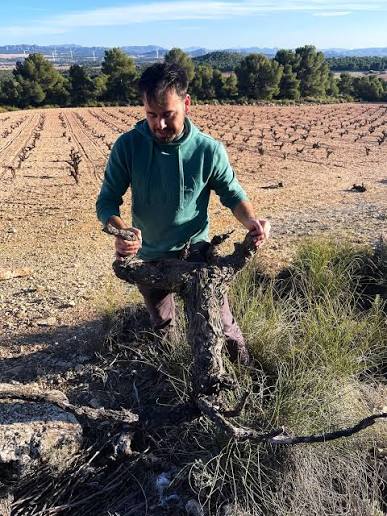
They are the fourth generation of the family in Fuente Álamo, in the high northern reaches of Jumilla. Here, vineyards rise to between 800 and 1,000 metres, where cool nights and limestone soils bring a poise that can surprise anyone who associates the region only with powerful reds. Ancient vines, many still on their own roots, hold the character of this landscape.
The character of old vines
A vineyard inheritance worth preserving
Stratum is their most intimate expression of it. The project grew from a desire to recover old vineyards that might otherwise have disappeared, preserving the varieties and individual parcels that make this corner of Spain so distinctive. Each wine takes its identity from the ground beneath those vines.
Stratum begins with the individual vineyard
Monastrell finds remarkable finesse here. El Servil, Los Yesares and La Calera del Escaramujo each reveal a different facet of the landscape, with perfume, freshness and a depth that unfolds rather than overwhelms. These are wines that invite you to reconsider what Jumilla can be.
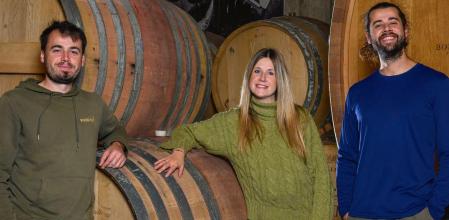
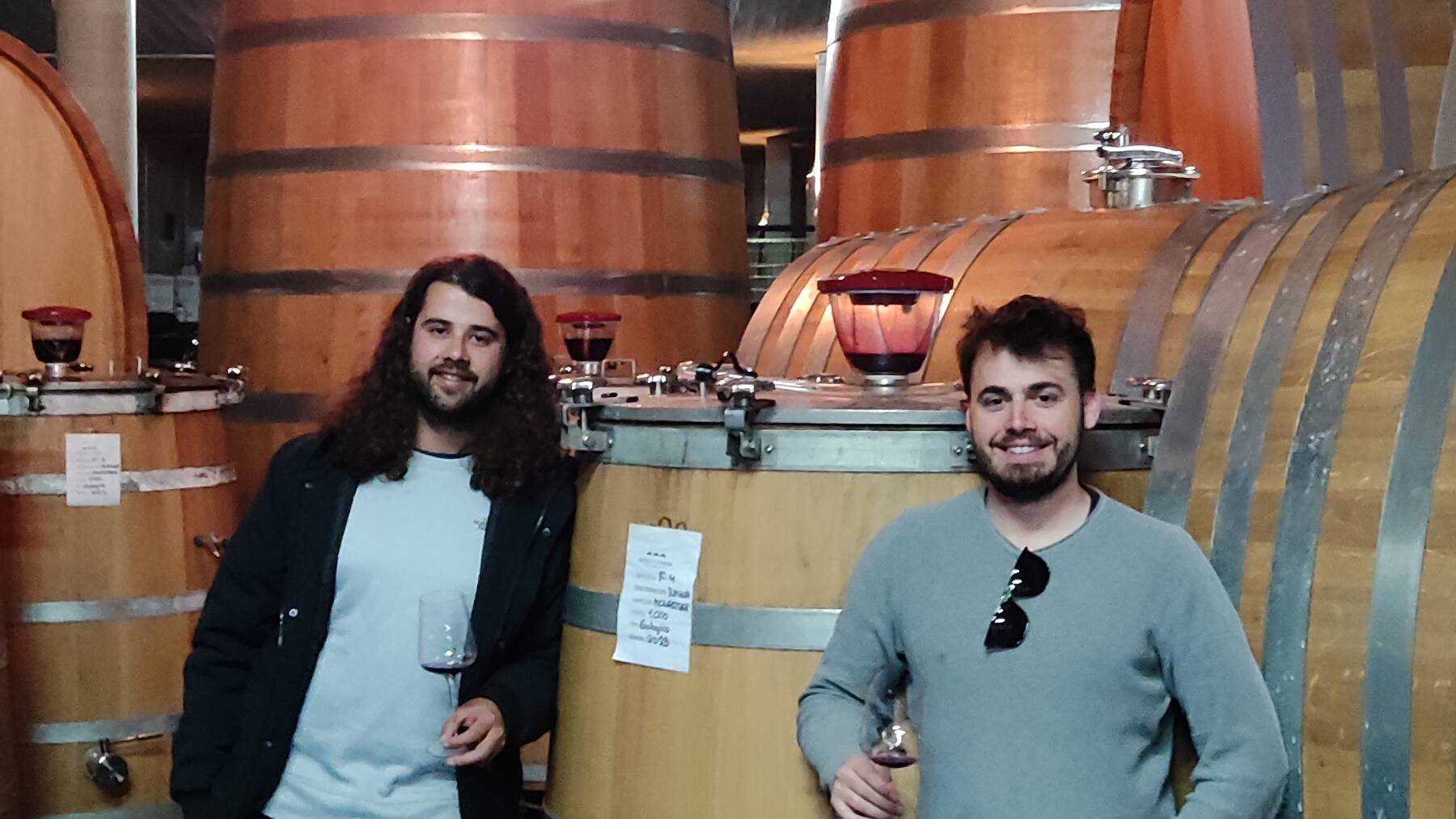
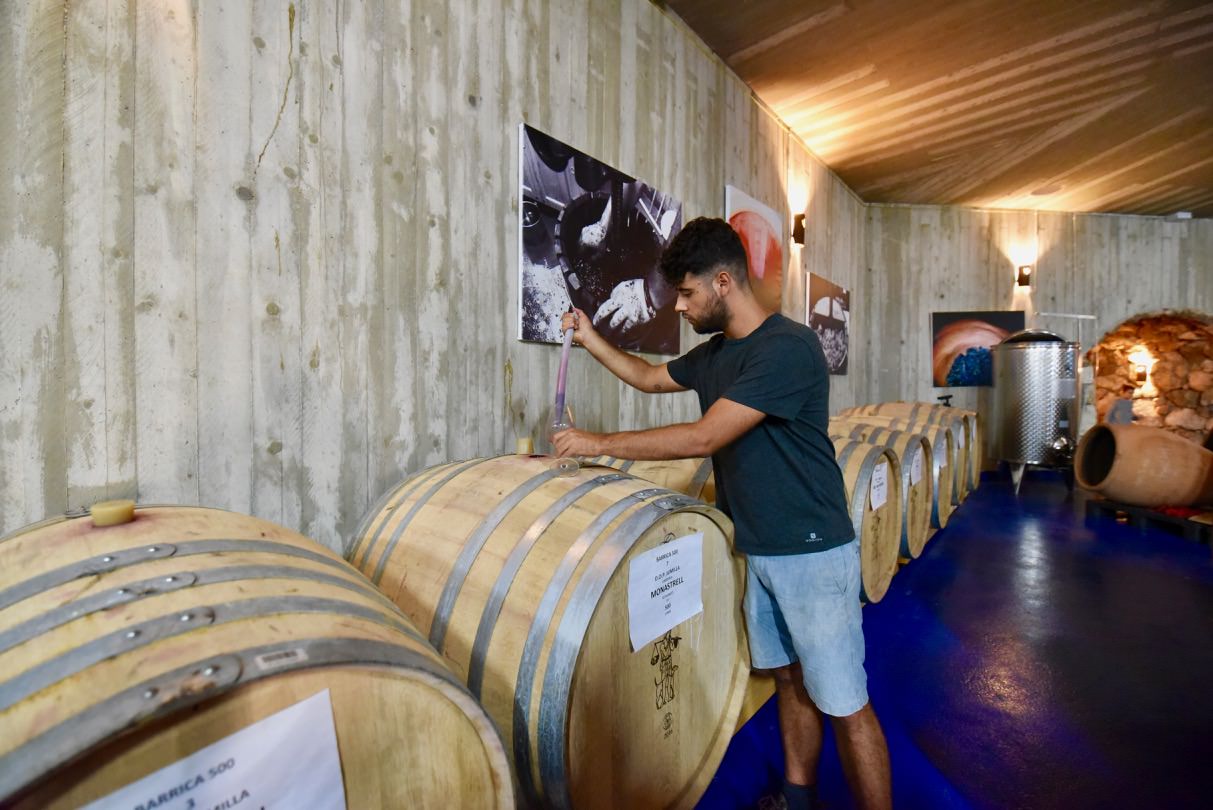
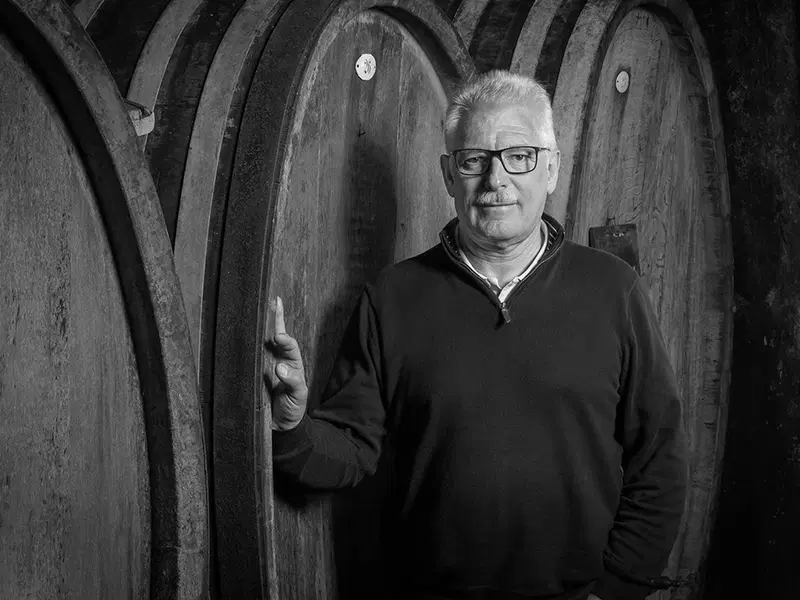
The brothers in their cellar
Careful work in the cellar
Then there is El Cerrico. Made from old Airén vines, a grape more often associated with volume than distinction, it reaches an extraordinary level of refinement. The 2021 vintage received 100 points in Beth Willard and Tim Atkin MW’s Discover Spain 2024 report, recognition that placed this remarkable white among Spain’s most exceptional wines.
Its appeal goes far beyond the score. El Cerrico has the texture and quiet authority of a great white wine, with a saline precision that gives it an unmistakable sense of place. That such a wine should come from Airén makes the discovery all the more absorbing.
The patient work behind the wines
This is exactly the kind of producer that makes Cuvée exciting to us. Juanjo and Carlos have taken an unconventional family inheritance and a landscape of extraordinary old vines and turned them into exceptional wines. Cerrón deserves a place among Spain’s most compelling estates, and Stratum is a range we are proud to put before you.
Gerard de Villiers is a character you remember, with a contribution to British wine that deserves to be better known. His expertise in winery design has helped shape the cellars of Nyetimber, Gusbourne and Rathfinny, some of the most distinguished names in English wine. An engineer by profession, he understands precisely what a great cellar must allow a winemaker to achieve.
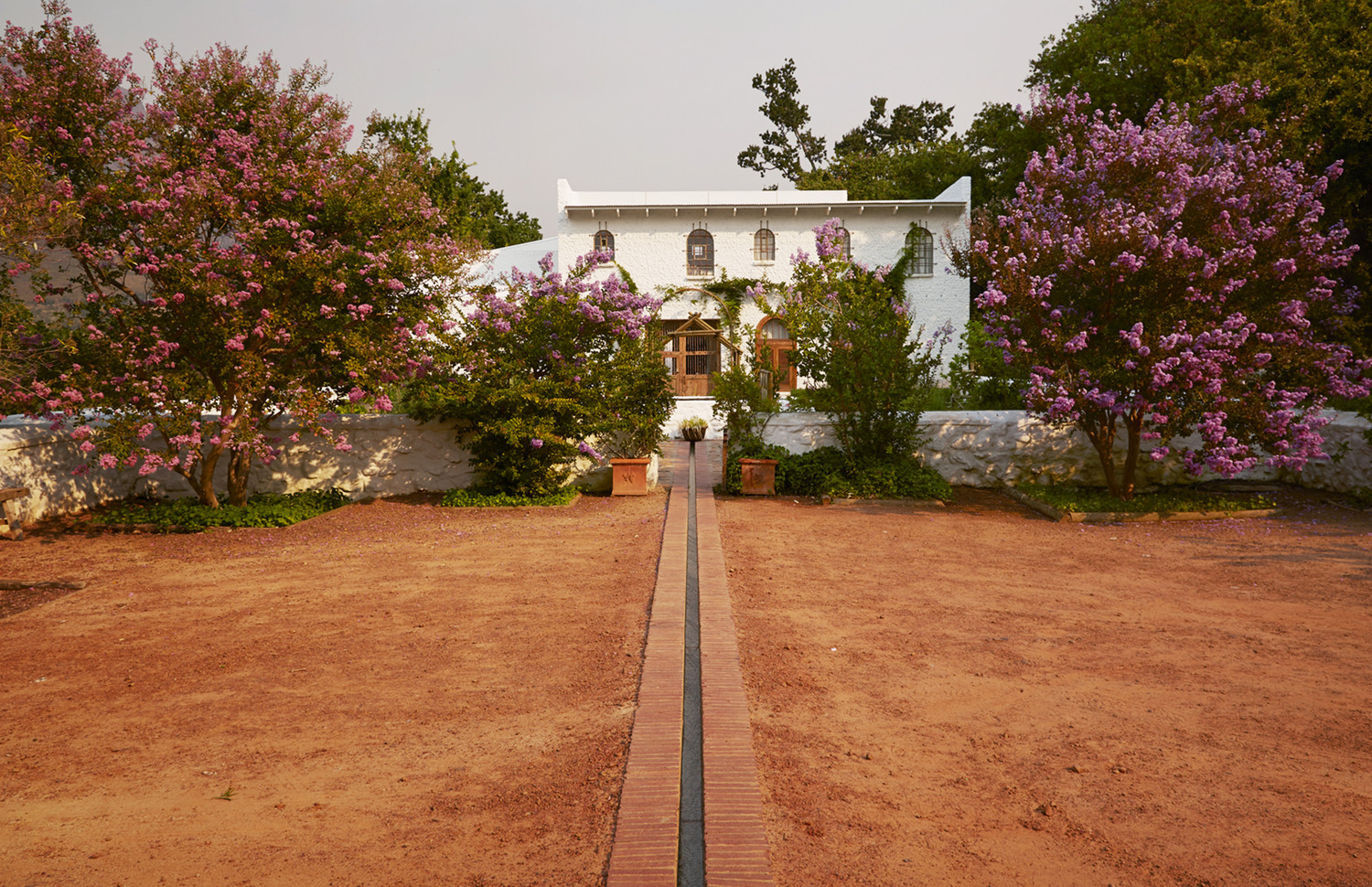
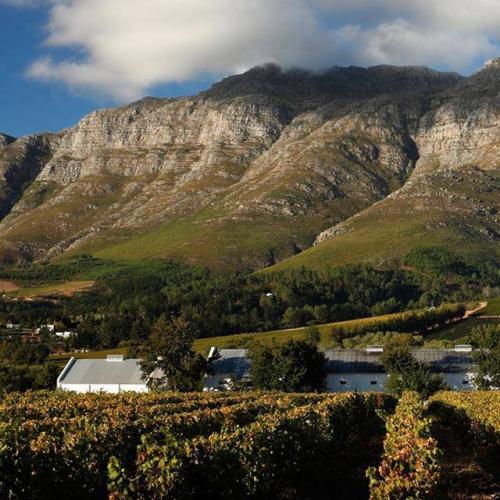
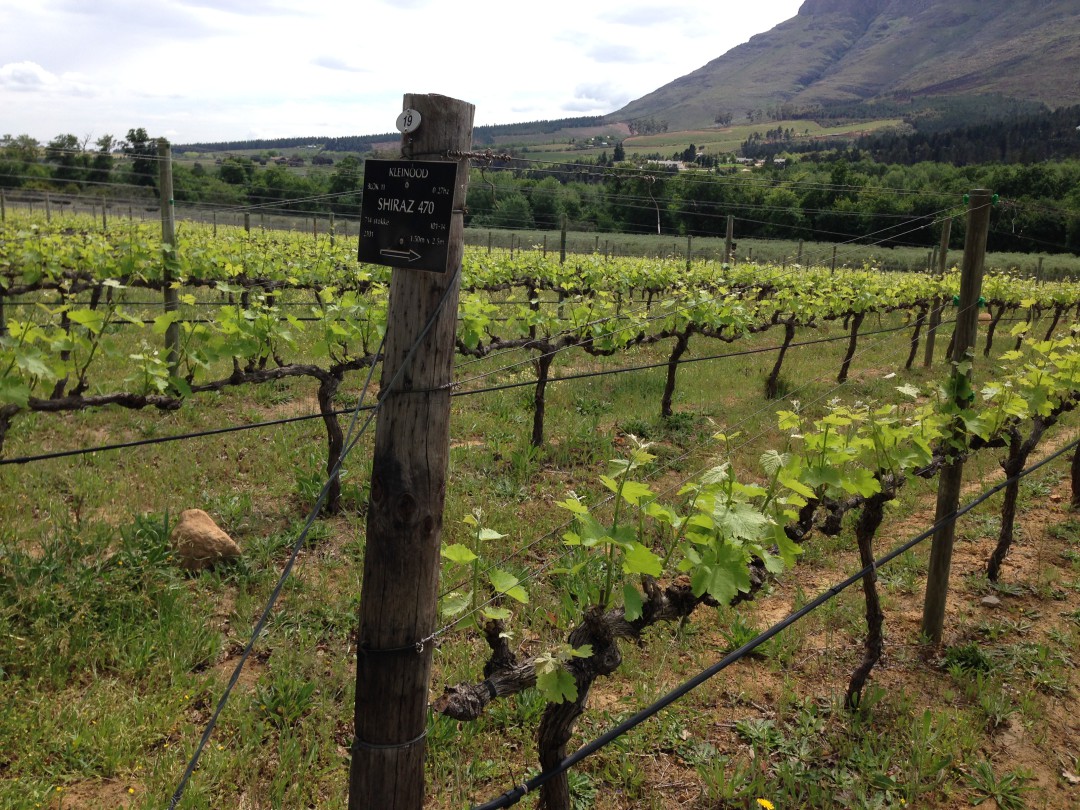
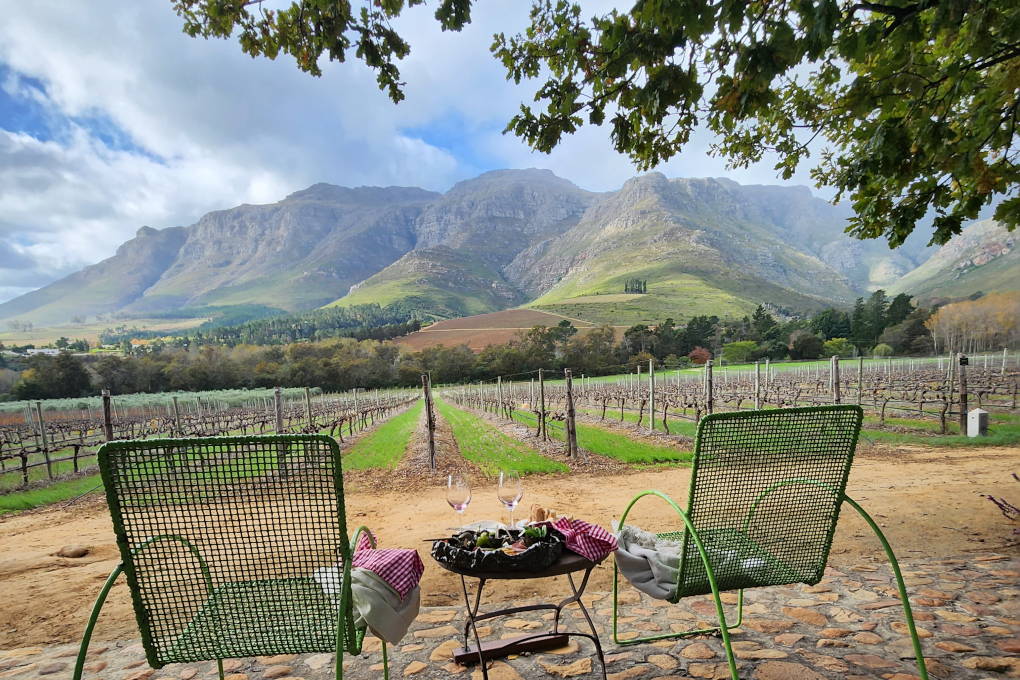
At Kleinood, that knowledge becomes deeply personal. Here, in the Upper Blaauwklippen Valley beneath Stellenbosch’s mountains, Gerard and his wife Libby have created a boutique estate of extraordinary care and individuality. Kleinood means ‘something small and precious’. It could hardly be more aptly named.
A farm of extraordinary individuality
Beneath the Stellenbosch mountains
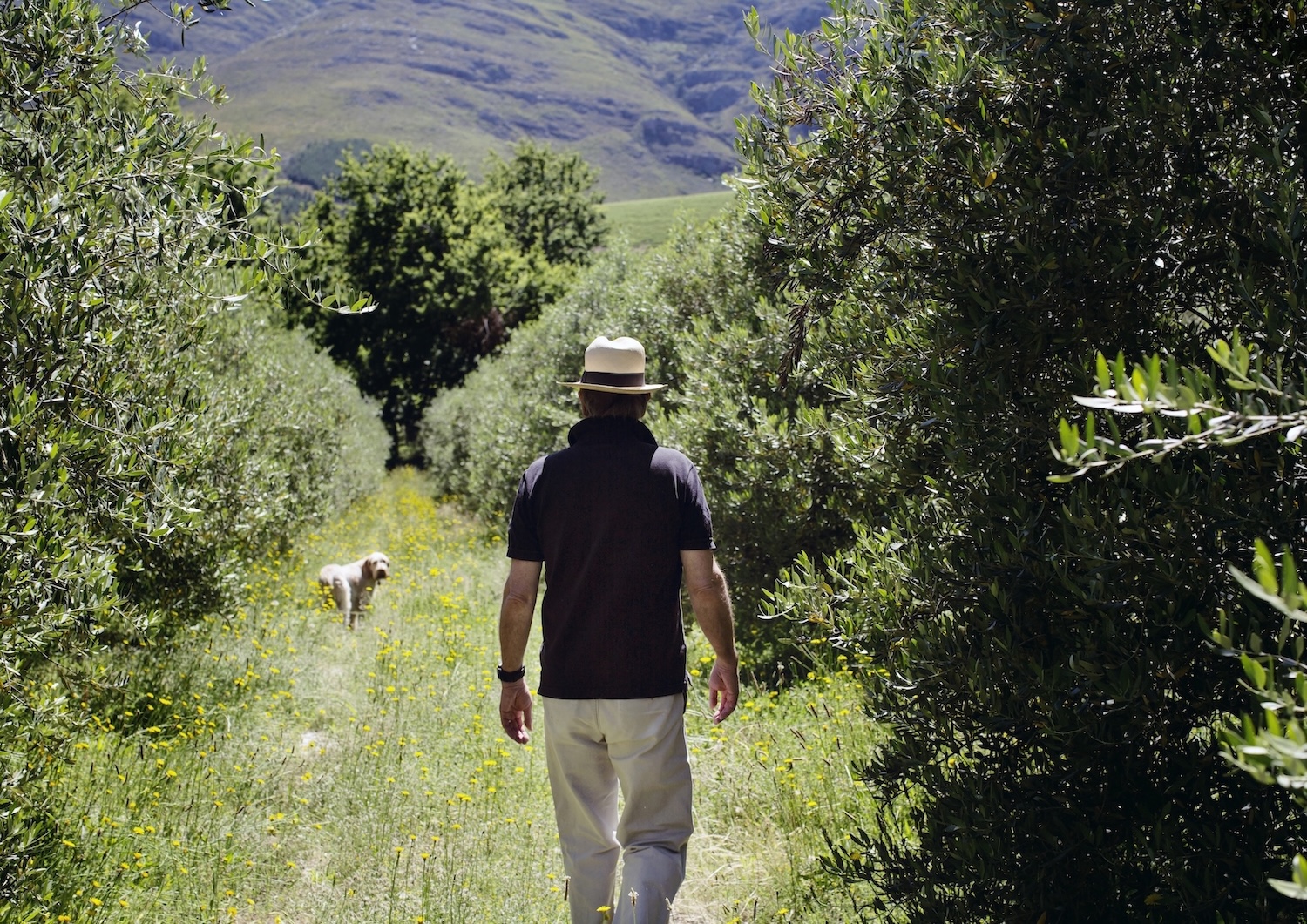
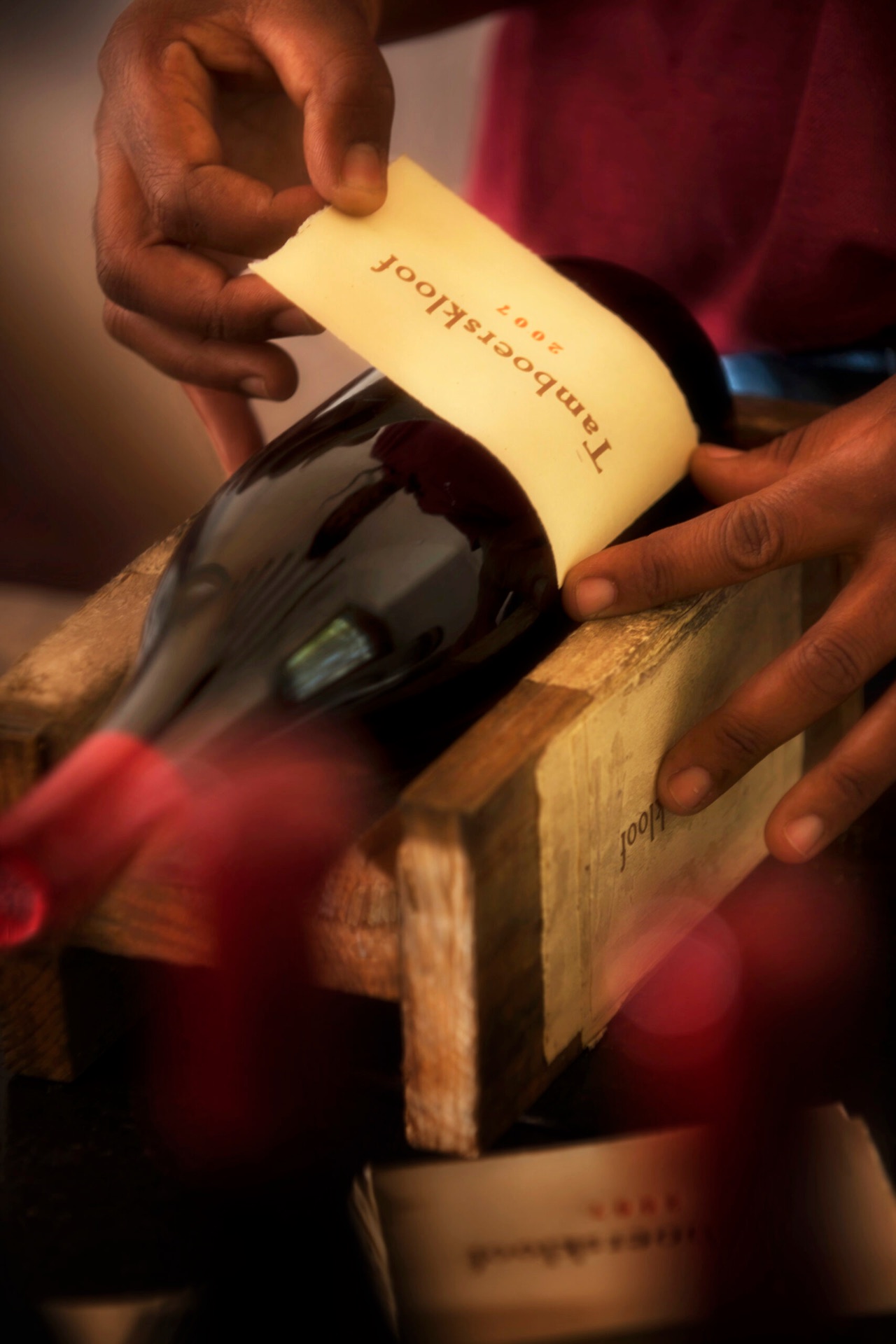
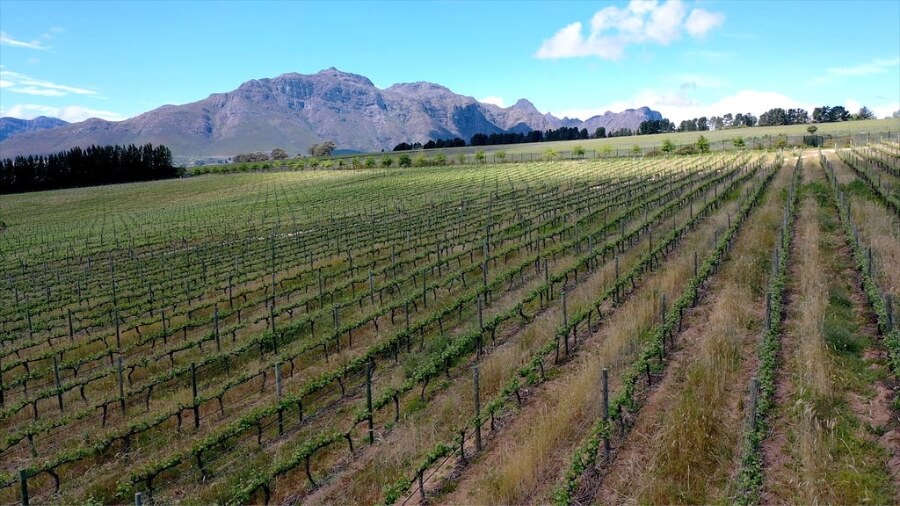
Just ten hectares are devoted to vines, with another two planted to olives. Around them, gardens and indigenous vegetation give way to woodland and the river. Libby’s creative eye is felt throughout the farm, from its intimate spaces to the understated labels, printed on handmade paper with an antique wooden press and applied individually to every bottle.
Every label applied by hand
We would probably call Kleinood our most sustainable partner. Its environmental manifesto records years of patient, practical work, restoring the land and finding better ways to care for it. Invasive plants have been removed, indigenous trees replanted and riverbanks restored, creating habitats where wildlife has returned.
Grape skins and garden cuttings become compost for the vineyards. Ladybirds and beneficial wasps help control pests, while owls find a home around the farm. Winery wash water is treated and reused in the gardens. Solar panels supply the cellar’s daytime power needs, and spring water descends from the mountain under its own pressure. The detail is impressive because it runs through the everyday life of the estate.
Care for the land, parcel by parcel
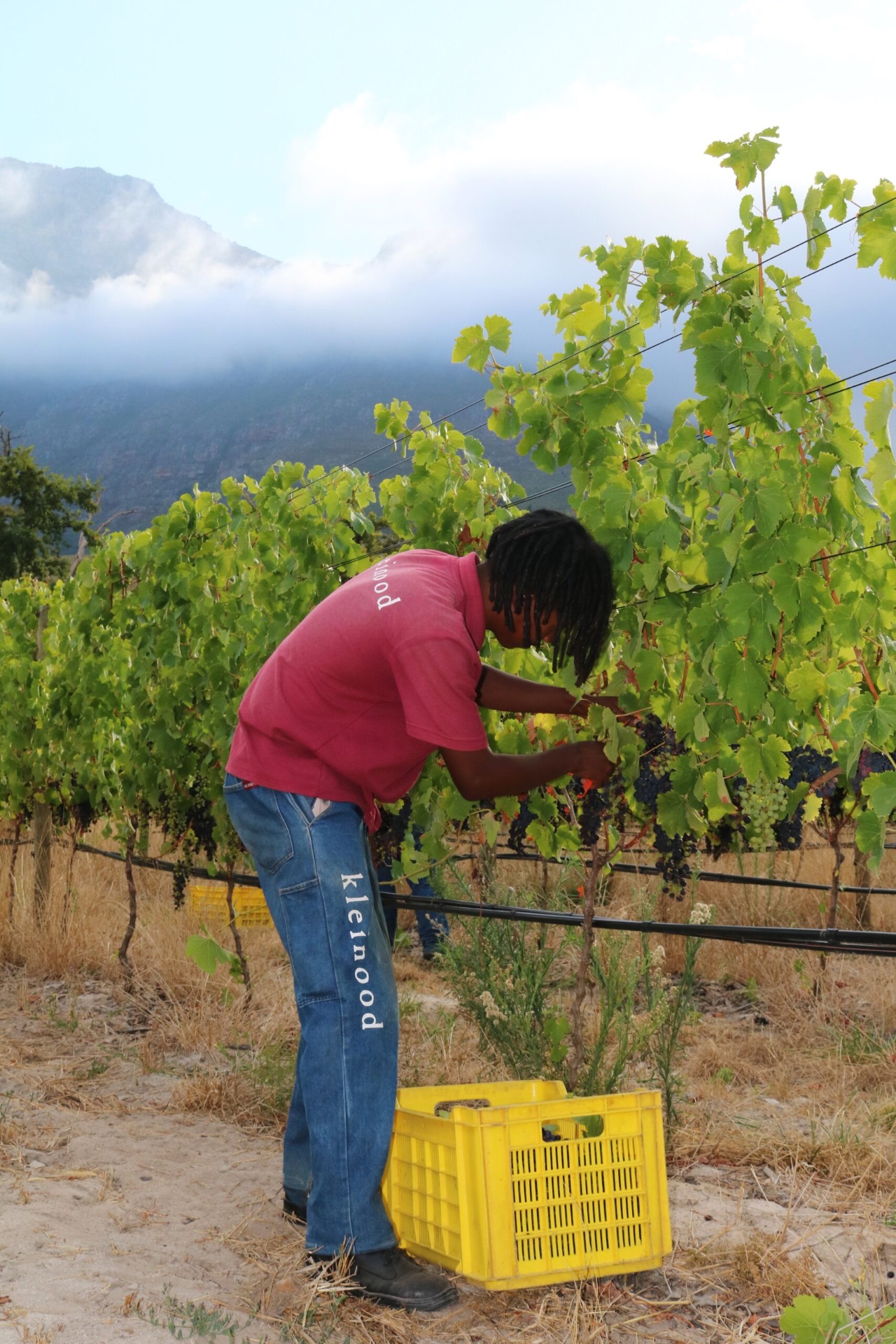
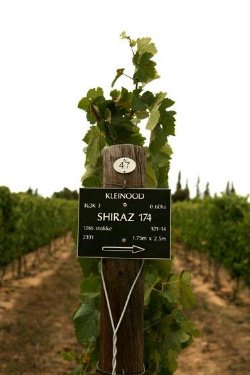
The same care governs the wines. Extensive soil studies pointed towards the varieties of the Northern Rhône, with Syrah at the heart of the vineyard. Small parcels are tended and harvested separately, then fermented and matured individually so their character can be understood before the final blend is chosen.
Harvested by hand
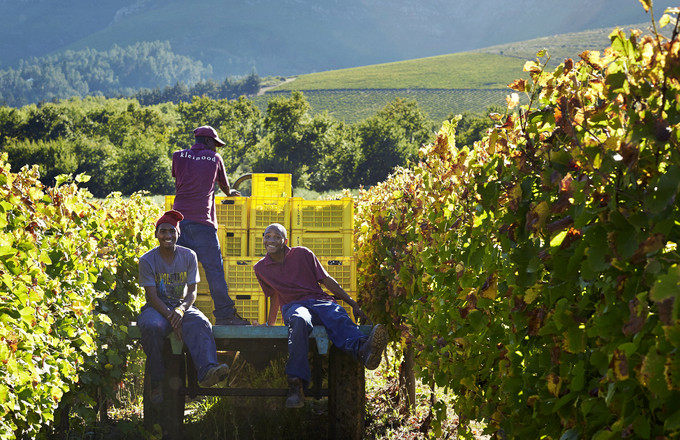
The people behind the wines
Inside Gerard’s cellar, the grapes are handled with exceptional gentleness. Bunches and berries are sorted by hand, while gravity replaces harsh pumping wherever possible. These are expertly made wines, the result of exacting work that allows the vineyard to speak clearly.
Tamboerskloof Syrah is a compelling alternative for those who love the Northern Rhône. Its dark fruit, violet perfume and savoury spice have a familiar appeal, with the freshness and fine structure that make great Syrah so absorbing. There is a generosity that belongs unmistakably to Stellenbosch, giving the wine an identity entirely its own.
Syrah at the heart of Kleinood
The Viognier deserves equal attention, offering the fragrance and texture that draw us to the Rhône’s great whites, handled with restraint. For a more intimate expression of the farm, John Spicer Syrah comes from a selected portion of a single vineyard block, kept apart for the exceptional character it delivers.
Kleinood captures so much of what draws us to a producer: a memorable person, a beautiful place and wines whose quality rewards discovery. Gerard has helped others build remarkable wineries. With Libby, he has made this small corner of Stellenbosch something rather special.
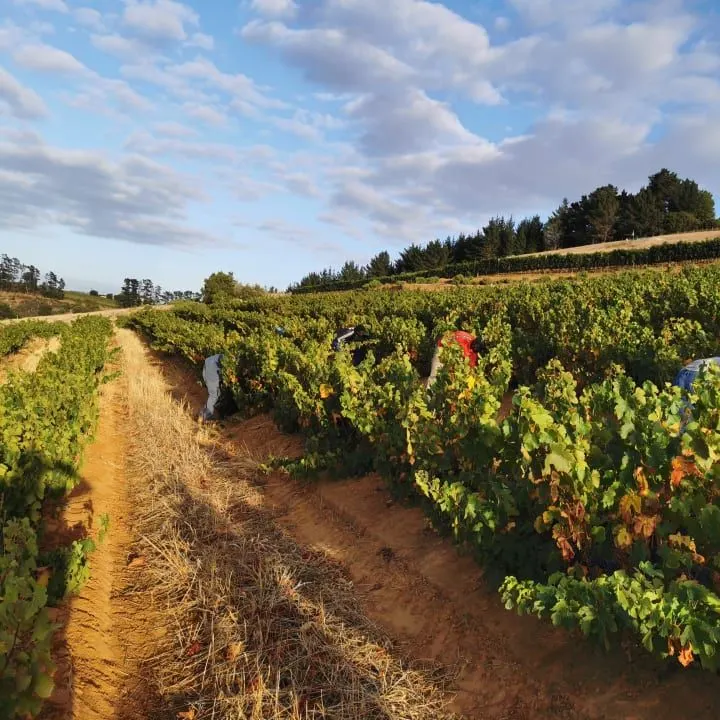
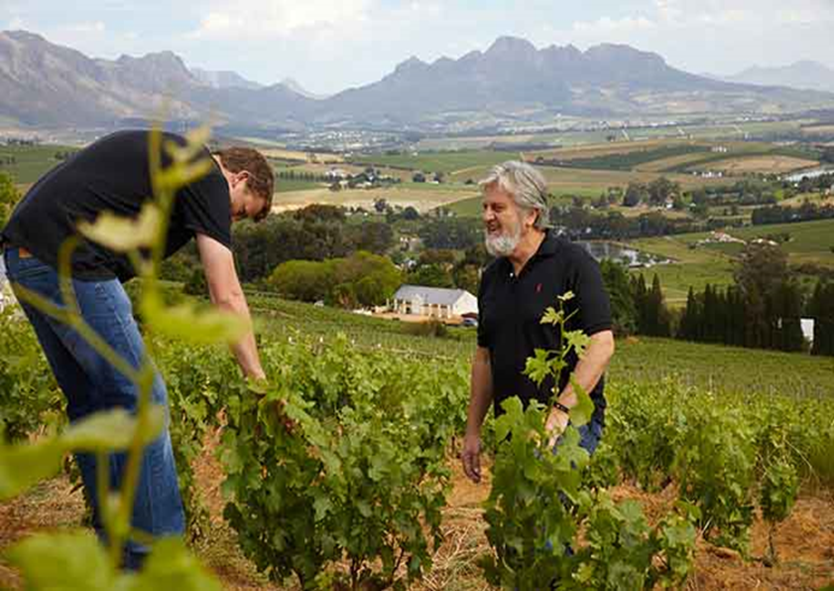
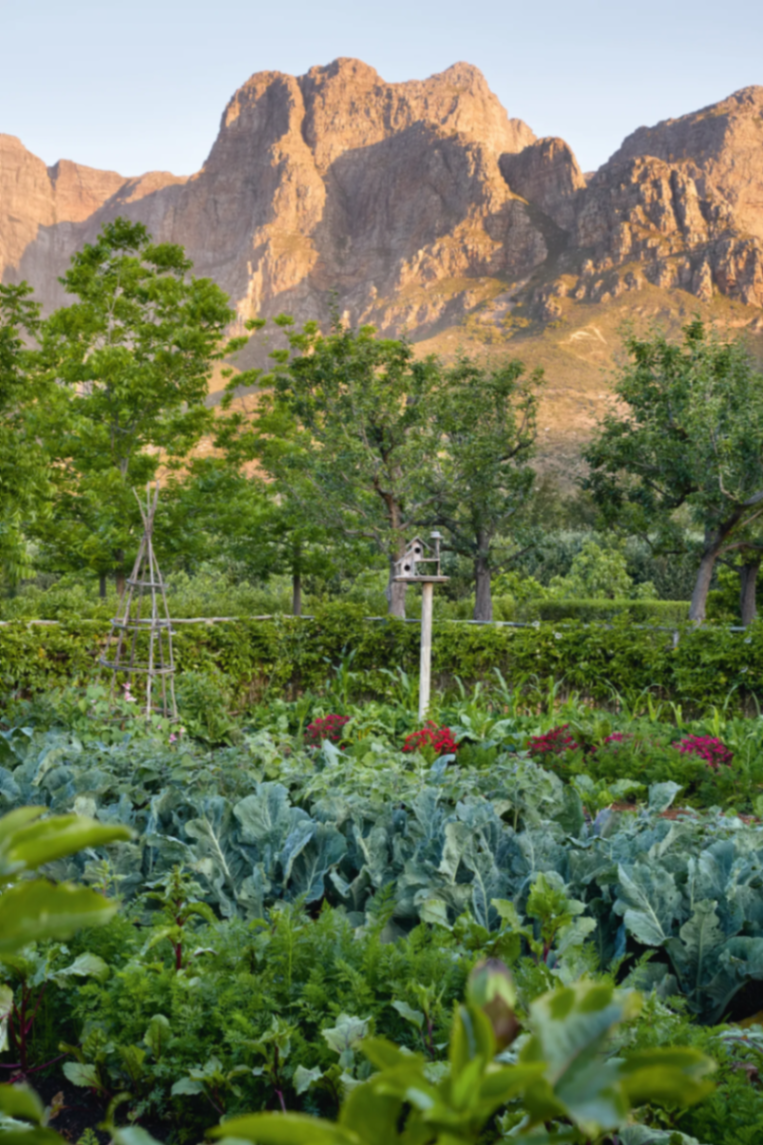
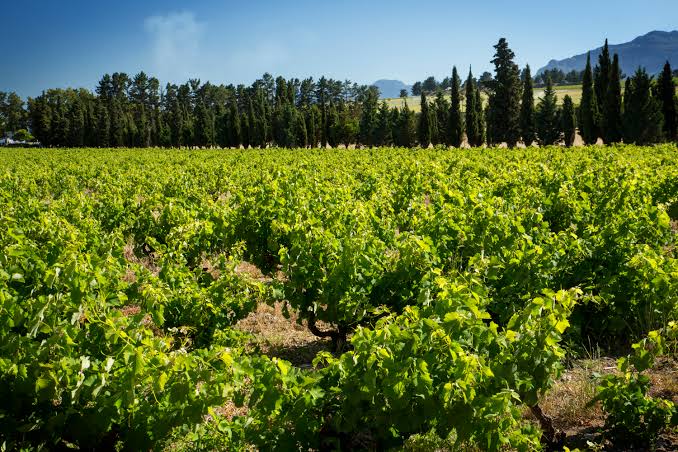
Some estates announce themselves with fanfare. Meinert simply has to be tasted. Tucked into the Devon Valley hills above Stellenbosch, it is one of South Africa's most quietly formidable boutique estates, sixteen hectares where individuality matters far more than volume.
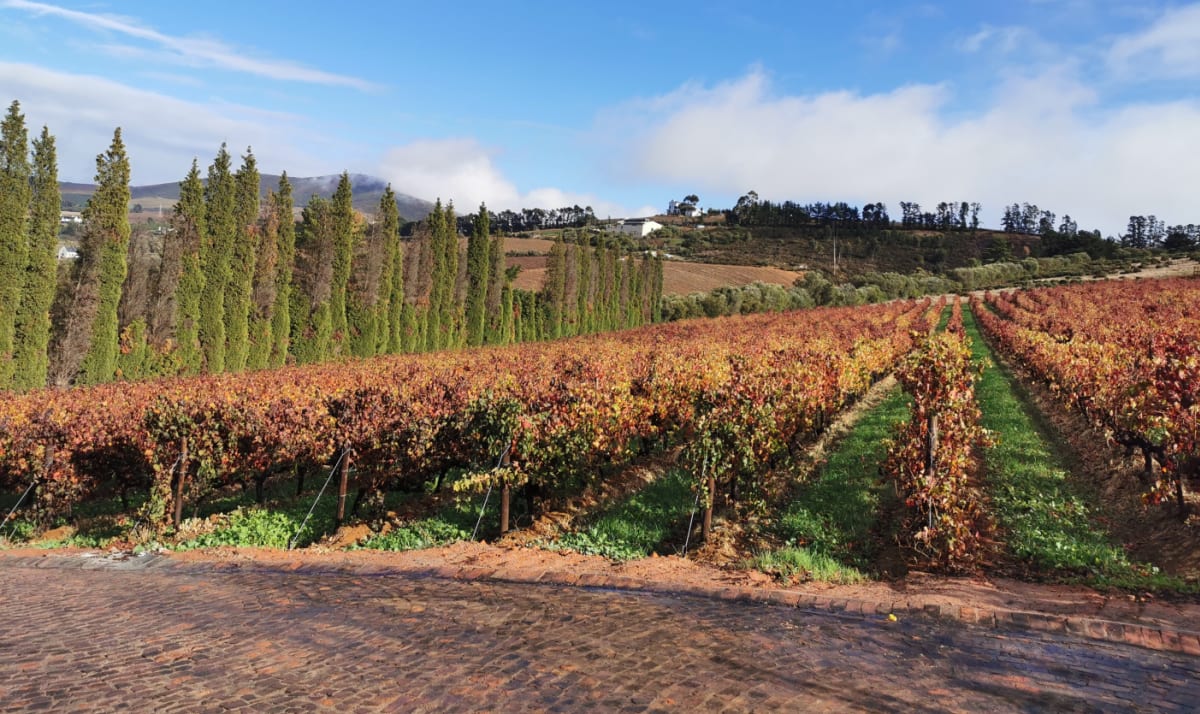
Autumn in the vineyards
Among the vines at Devon Crest
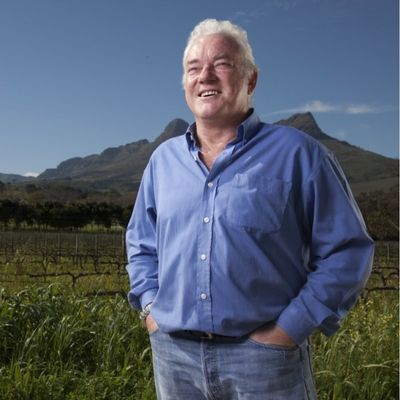
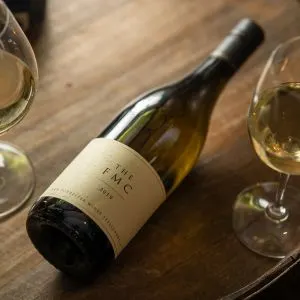
The foundations were laid in 1987, when founder Martin Meinert acquired Devon Crest. Martin's experience at Vergelegen and his role in the legendary FMC Chenin Blanc helped shape some of the Cape's most celebrated wines, and gave his own label a standard of precision and ambition that still runs through every bottle today.
A shared conviction in the vineyard
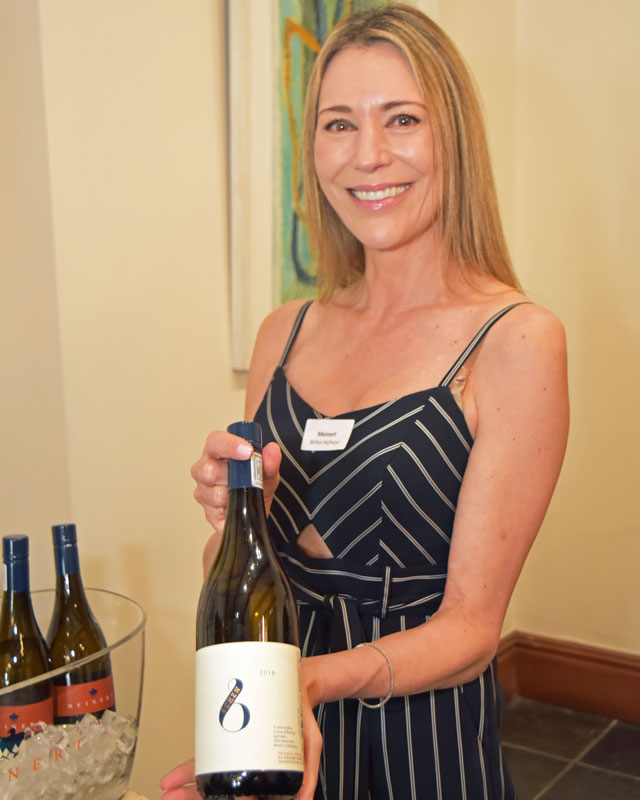
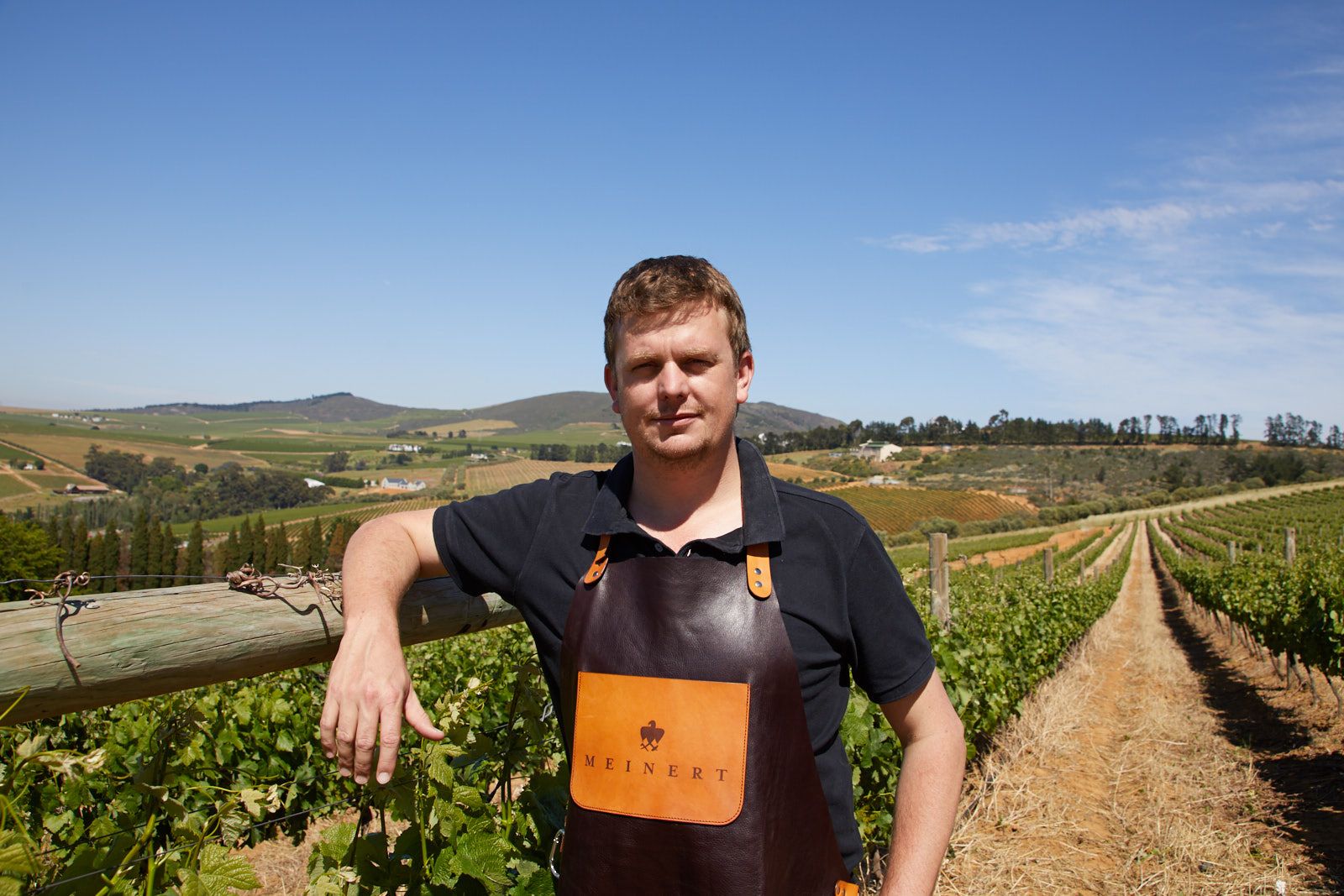
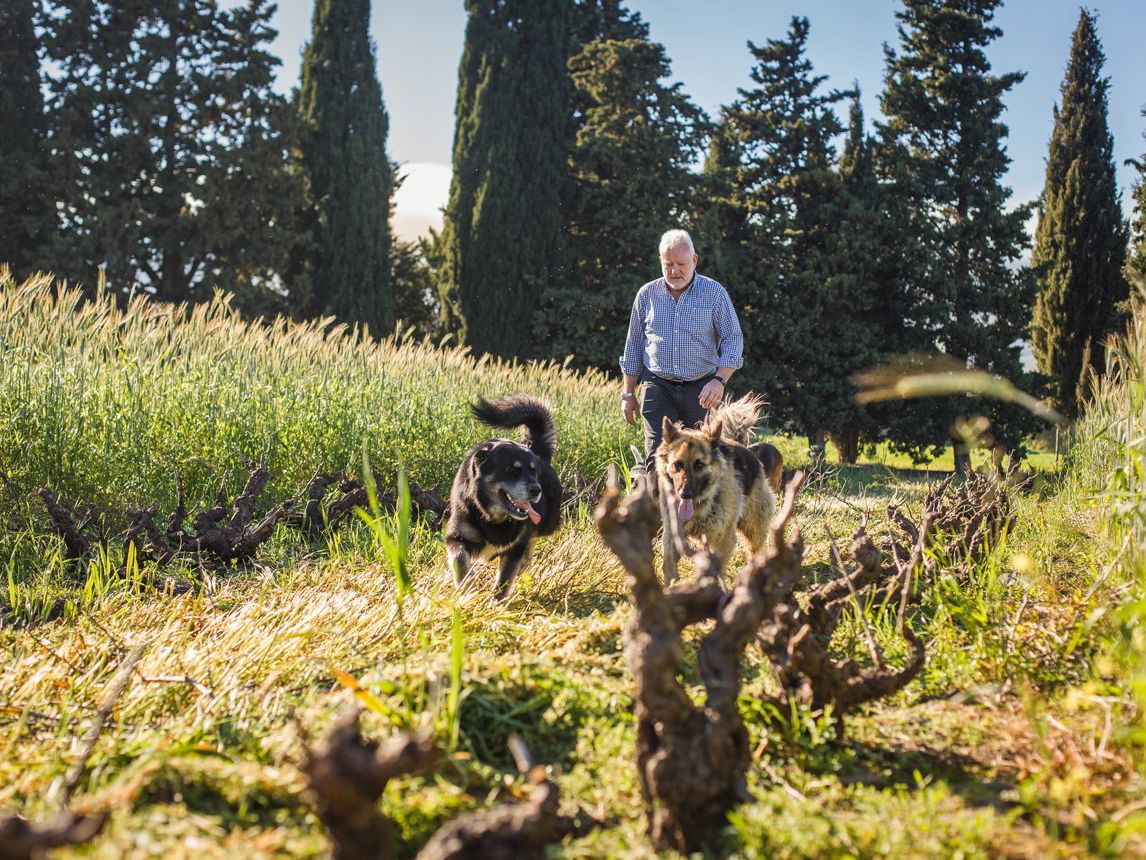
Today the estate is in the hands of Werner van Rhyn and his partner, the charismatic Wilna Hofmeyr. Between them they have given Meinert a warm and unmistakable character, the kind of welcome that makes the cellar door feel like a family table, and a conviction that small, personal winemaking is the only kind worth doing.
The charismatic Wilna Hofmeyr
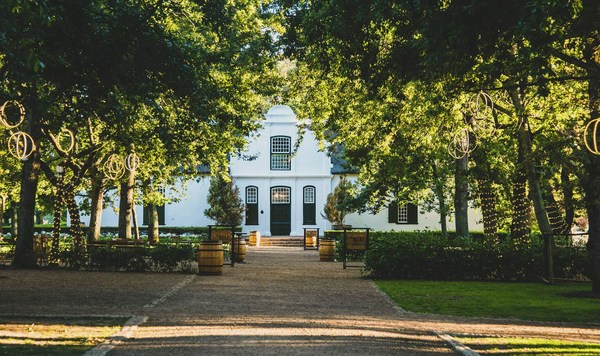
Their private estate, Fleurbaix, tells you everything about the family's taste. A Cape Dutch homestead of 1768 beside the Eerste River, it was saved from neglect and restored over years of patient care as a family residence. Its vineyards feed Meinert's Cabernet Sauvignon, adding floral detail and fine, silky tannins that set the wine apart.
The family’s private estate, Fleurbaix
The beauty of the Cape
In the cellar, Brendan Butler now carries the estate forward. He qualified as a Cape Wine Master in 2017, aged just thirty, taking both the award for best dissertation and the Brandy Trophy, and his path through Jordan, Nitida and Mount Vernon gave him a foundation few of his generation can match. He honours Martin's exacting standards while trusting his own judgement, and the wines show it.
Brendan Butler, Cape Wine Master
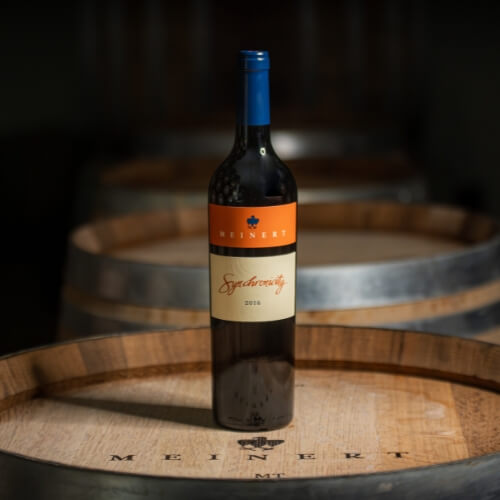
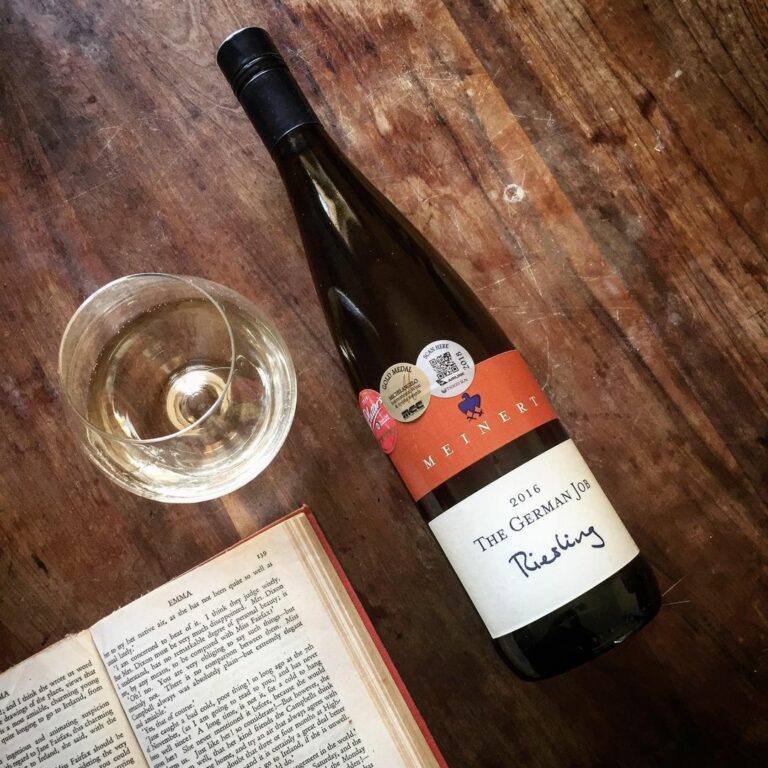
Synchronicity, the blend of Cabernet Sauvignon, Merlot and Pinotage, is the estate's signature, generous yet finely drawn, while The German Job Riesling shows a playfulness and precision that could only come from a winemaker utterly sure of his craft.
Synchronicity, the estate’s signature
The German Job Riesling
These are wines of quiet distinction from one of the Cape's great boutique addresses, made in small quantities for those who take the time to find them.
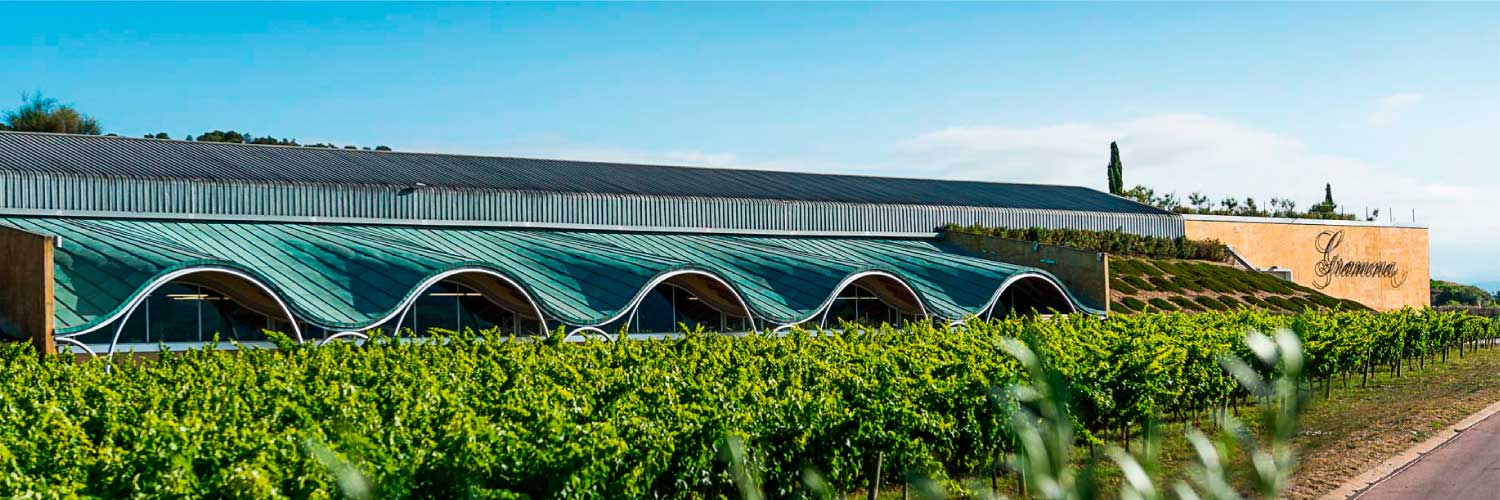
Gramona: Among the Great Sparkling Wines of the World
Gramona, in the heart of the Penedès
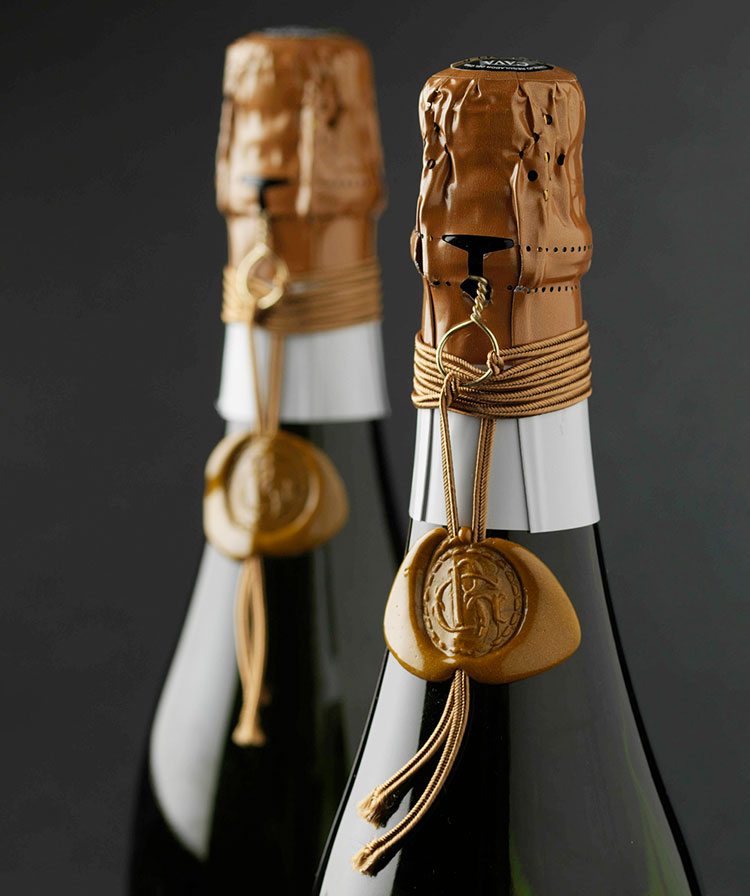
Gramona is recognised as Spain’s foremost sparkling wine estate, its finest bottles deserving a place among the great sparkling wines of the world. When Berry Bros. & Rudd first introduced Gramona to the UK, it recognised wines worthy of comparison with the finest vintage Champagne. That judgement captures their stature beautifully.
These are wines of extraordinary depth, precision and longevity, deserving every bit of the attention afforded to Champagne’s most distinguished names.
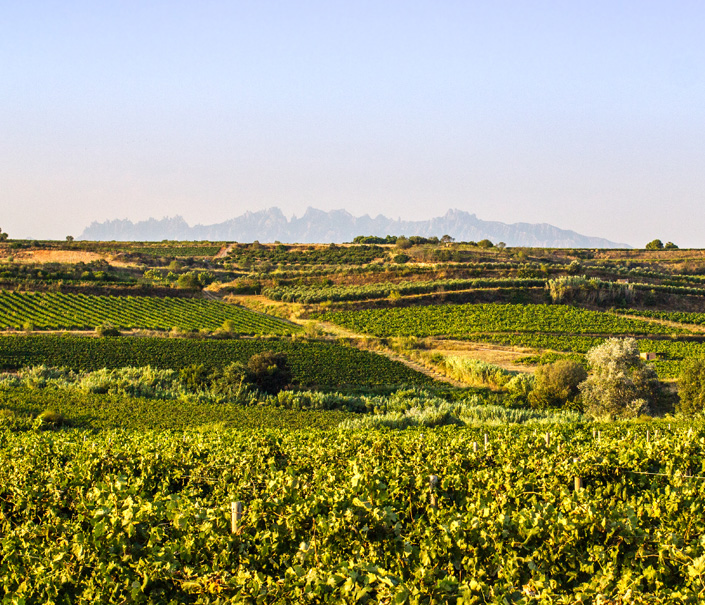
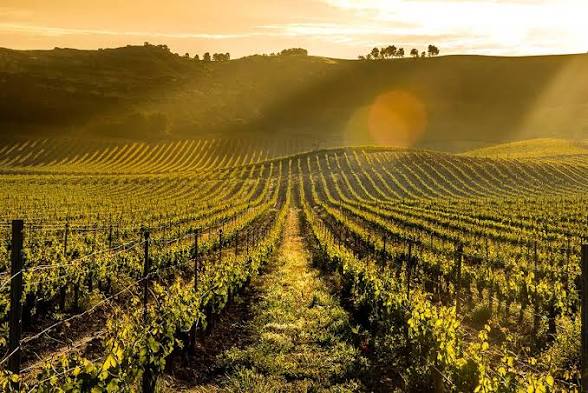
The vineyards of the Penedès
Behind them lies the joining of two winegrowing families. The marriage of Pilar Batlle and Bartolomé Gramona in 1913 brought together generations of knowledge and a shared belief in the vineyards of the Penedès. The Batlle family had already supplied wine to Champagne houses, recognising the remarkable ageing potential of Xarel·lo.
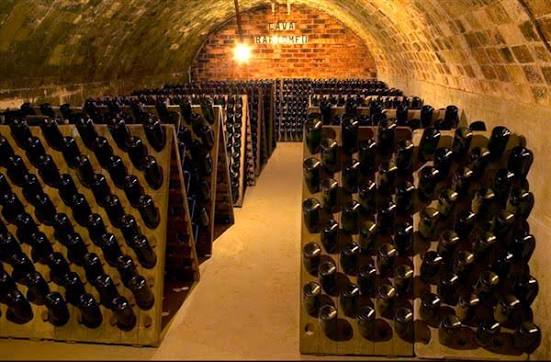
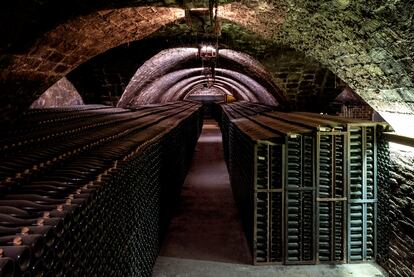
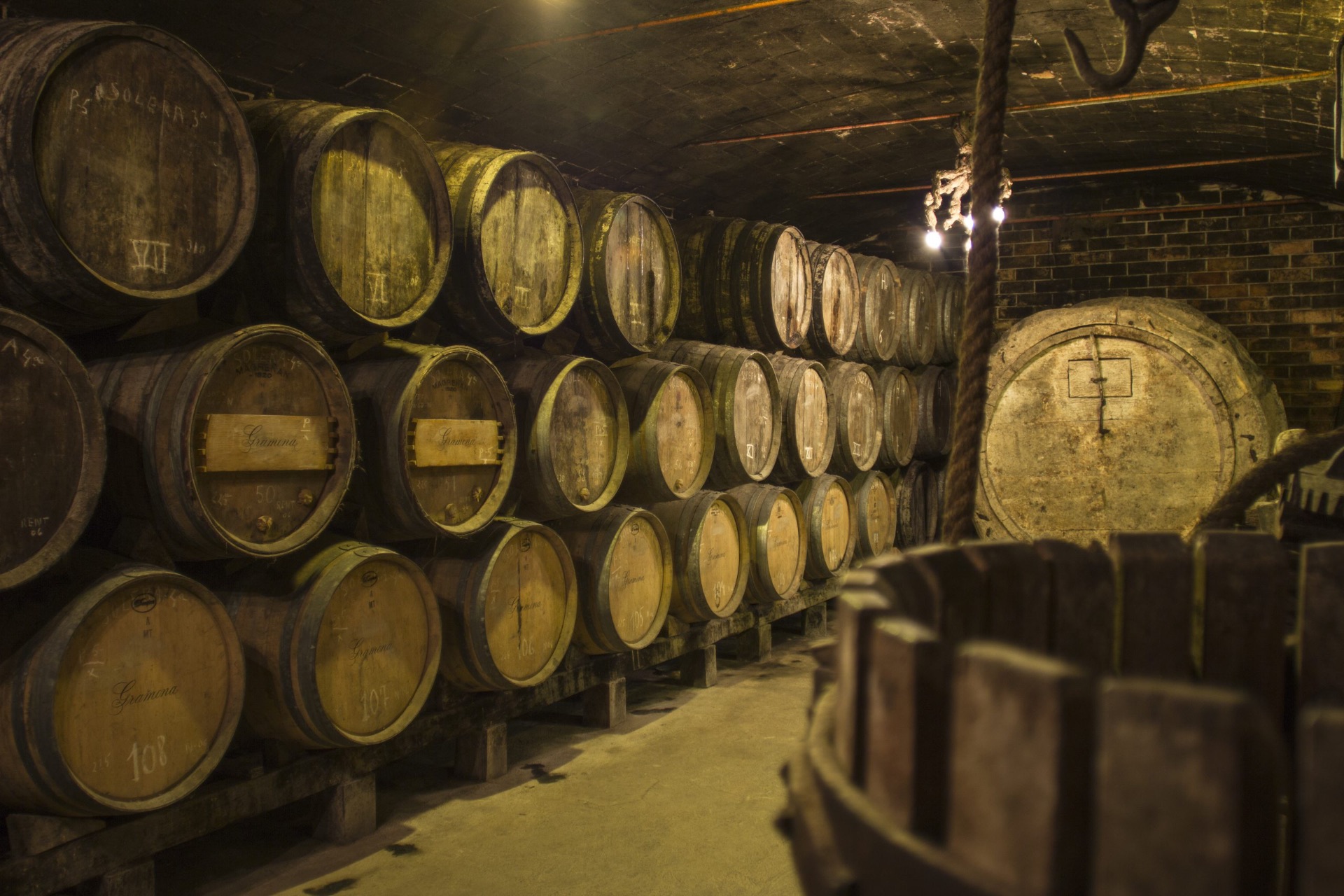
The defining discovery came through an enforced silence. During the Spanish Civil War, the cellars were closed and the bottles left undisturbed. When the family returned, wines that had spent far longer ageing than intended proved extraordinary. Time had given them a depth and complexity that would become the foundation of the Gramona style.
Time in the historic cellars
Long ageing, the foundation of the style
That conviction still shapes the estate. Long ageing is fundamental to these wines, bringing a remarkable breadth of flavour without sacrificing freshness. Their finest cuvées spend years quietly developing in the cellar before release, reaching the table with the composure and complexity that only patience can give.
Gramona, patience in every bottle
The late, great Xavier Gramona understood this better than anyone. I remember his response to sommeliers who favoured zero dosage, believing that anything added would obscure the quality of the wine. He likened it to a sauce served with exceptional meat or fish. Something hastily prepared might diminish the dish. A sauce patiently made and reduced over days could make it finer still.
The late, great Xavier Gramona
For Xavier, Gramona’s dosage followed the same principle. Drawn from the family’s historic solera, it brought another layer of complexity to an already exceptional wine. The finished wines remained beautifully dry. His explanation was wonderfully persuasive, but the glass made the strongest argument.
The family’s historic solera
As a cofounder and the first president of Corpinnat, Xavier helped secure a clearer identity for the finest sparkling wines of the Penedès. Cava encompassed producers spread across distant parts of Spain, including the southwest. Corpinnat placed the emphasis firmly on this particular place, its vineyards and exacting standards, giving wines such as Gramona an identity worthy of their origins.
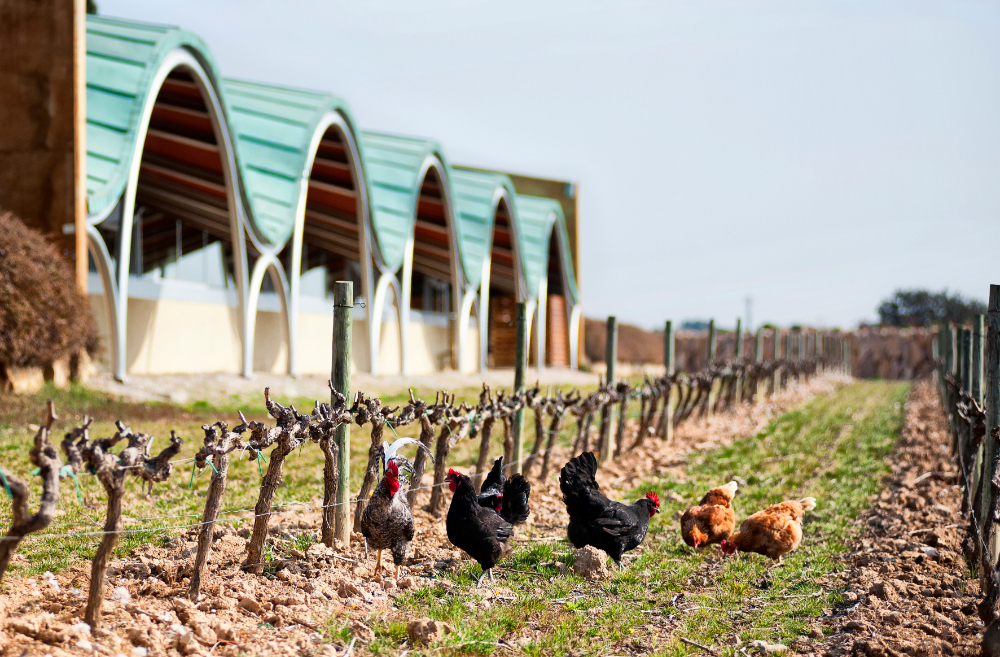
Life among the vines
Biodynamic farming underpins the estate today, while Xavier’s son Leo carries his conviction into the next generation alongside Jaume and Roc Gramona. The family’s generosity stays with you, as does Xavier’s absolute belief in what these vineyards could achieve. Taste the wines and it becomes very difficult to disagree.
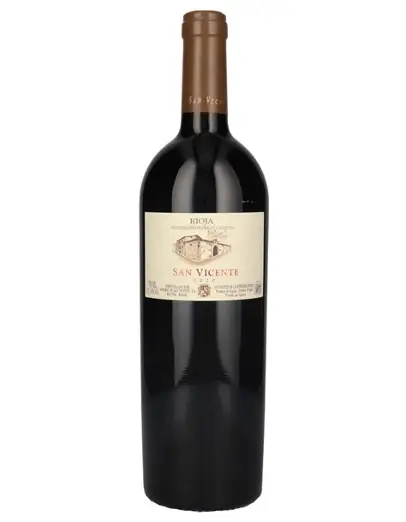
Señorío de San Vicente: The Rioja That Changed the Rules
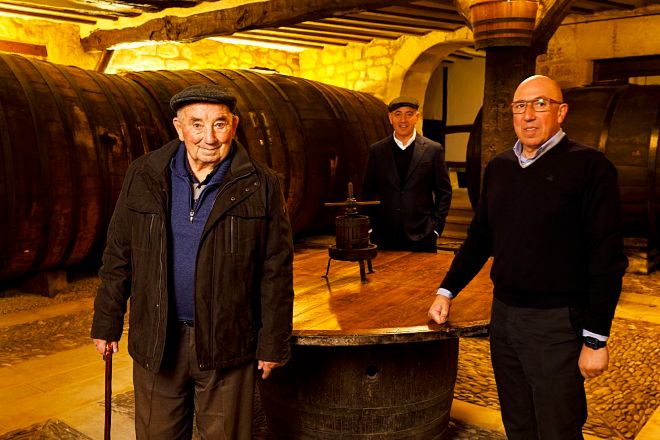
The Eguren family, in the cellar at Sierra Cantabria
There was a time when Rioja was, above all, a blend. Not simply a blend of grapes, but a blend of vineyards, villages and parcels. The great names of Rioja were built around a house style, and the art was in bringing together fruit from different places and giving it the appropriate amount of time in oak and bottle. Crianza, Reserva and Gran Reserva were not just classifications; they were part of the language of Rioja. Then, in the 1980s, the Eguren family began looking at things rather differently. In San Vicente de la Sonsierra, on the foothills of the Sierra de Cantabria, they had noticed something unusual. Among the vineyards were old Tempranillo vines that produced very little, but the wines they made from them had something that the surrounding vineyards didn't. They were finer, more perfumed and, above all, more elegant. To the Egurens, this was not simply another good parcel of Tempranillo. They believed they had found something special: a genetic selection of the grape that expressed the character of San Vicente in an entirely different way. They began selecting material from these vines through the 1980s, using massal selection rather than buying a standard commercial clone. In 1985, the family planted 18 hectares at Finca La Canoca with this carefully selected material. It was an audacious decision. The vines were low yielding, the site was high and relatively marginal for ripening, and the variety was anything but commercially attractive. But the Egurens weren't trying to make an efficient vineyard. They were trying to make a great wine.
San Vicente de la Sonsierra, where the vineyards sit below the Sierra
The bodega at Sierra Cantabria
The selection they had made would eventually become known as Tempranillo Peludo, "Hairy Tempranillo", named for the fine hairs found on the underside of its leaves. It was an old, almost forgotten form of Tempranillo, found particularly around the Sonsierra. Its yields were painfully low and its susceptibility to disease made it difficult to grow. For generations, that had been precisely the reason many growers had abandoned it. The Egurens saw the opposite. Where others saw poor productivity, they saw concentration. Where others saw an awkward old variety, they saw elegance. And so Señorío de San Vicente was born around a remarkably simple proposition: one vineyard, one variety, one wine. It was, in effect, Rioja's answer to the great single estate wines of France. There was no intention of blending La Canoca into a larger house style. The vineyard itself was the point.
The fermentation room, where San Vicente begins
The old cellar, where the wine rests quietly in oak
The first vintage was 1991. It was released as a Reserva, with the long élevage expected of a serious Rioja, and it caused a stir. The wine was different from the mainstream Rioja of the time: more concentrated and structured, but with an unusual finesse. It was a wine that seemed to come from somewhere specific rather than simply tasting like Rioja. The response was extraordinary. There was only one problem: there wasn't another vintage immediately available. There was no 1992 or 1993 San Vicente, and by the time the next wine was ready, demand had become intense. The 1994 vintage was particularly anticipated in the United States, where the importer was desperate to get the wine into the market. Marcos Eguren told him he would have to wait. The wine had not yet spent enough time in bottle to qualify as a Reserva. The response was essentially: we don't care. The customers didn't want a word on the label. They wanted San Vicente. So the wine was sent. It went to America without the Reserva designation, carrying a generic Rioja classification instead. What began as a practical decision became something much more significant. For the first time, one of Rioja's most ambitious wines was effectively saying that the wine itself mattered more than the ageing category printed on the label. The irony was that the wine had not been made to challenge the Rioja system. The decision was driven by the wine itself and by the demands of the market. But it opened a door. San Vicente demonstrated that a great Rioja did not necessarily need to conform to the traditional Crianza, Reserva, Gran Reserva ladder. The winemaker could decide how long the wine needed in oak and bottle according to the wine, rather than making the wine fit the prescribed category.
There was another twist to the story. For years, the Egurens had believed they had found an exceptional local selection of Tempranillo. It was only later, when agronomists examined the vines more closely, that the significance of what they had planted became clearer. This wasn't simply another clone of the Tempranillo they already knew. It was Tempranillo Peludo, an old local form of the grape that had almost disappeared. And suddenly the whole story made sense: the low yields, the tiny, intensely flavoured grapes, the unusual elegance, the difficulty of growing it, and the fact that it survived only in very particular vineyard conditions. The Egurens hadn't set out to revive a forgotten variety. They had stumbled upon something that had been hiding in plain sight. Today, the philosophy remains remarkably unchanged. San Vicente is still built around La Canoca, still centred on Tempranillo Peludo, and still made as a wine whose identity begins in the vineyard rather than in the cellar. The project was established specifically around this single vineyard and this singular material.
A quiet hour in the old cellar
Even the bottle has its own piece of folklore. When the Egurens were preparing to send the wine to the international press in those early days, they didn't yet have a proper label. Miguel Eguren reportedly solved the problem in the simplest possible way: he put his business card on the bottle. That improvised solution became the inspiration for the distinctive small format label associated with San Vicente. The look was strikingly different from the conventional Rioja labels of the period, understated, almost homemade, and completely focused on the name of the wine. It was a fitting label for what was happening inside the bottle. San Vicente was never really designed to fit the established Rioja model. It was designed to question it. The Egurens were among the first in modern Rioja to demonstrate what could happen when a producer concentrated obsessively on a single vineyard and a particular genetic expression of Tempranillo. They showed that a Rioja could be about place, rather than simply about the Rioja name. They showed that the winemaker could choose the ageing regime according to the wine rather than the other way around. And they helped establish the idea that a great Rioja could be a vino de finca, a wine whose identity was inseparable from one particular piece of land.
The small label that began as a business card
A wine should not be made to become a Reserva. It should be given whatever time it needs to become itself.
Perhaps that is ultimately what makes Señorío de San Vicente so important. Its significance is not really that it rejected tradition, but that it asked a more fundamental question about what tradition was for. Rioja had spent generations perfecting a system in which time was one of the principal measures of quality: the longer a wine rested in oak and bottle, the more defined its category became. San Vicente suggested that perhaps the more important measure was not time at all, but identity. A wine should not necessarily be made to become a Reserva; it should be given whatever time it needs to become itself. And that same idea extends back into the vineyard. If a particular piece of land produces something unmistakably different, and if a particular selection of vines expresses that place with greater precision, why dilute that identity by treating it simply as another component of a blend? In that sense, Señorío de San Vicente was doing something much bigger than making an exceptional Rioja. It was shifting the emphasis from what Rioja required the wine to be, to what the vineyard itself was capable of becoming. More than three decades later, that remains the idea behind San Vicente: one vineyard, one extraordinary selection of Tempranillo, and one wine. It is a remarkably simple philosophy, but in Rioja at the time, it was a radical one, and it helped open the door to the vineyard focused Rioja we know today.
Cuentaviñas: A Young Estate Already Among the World's Greats
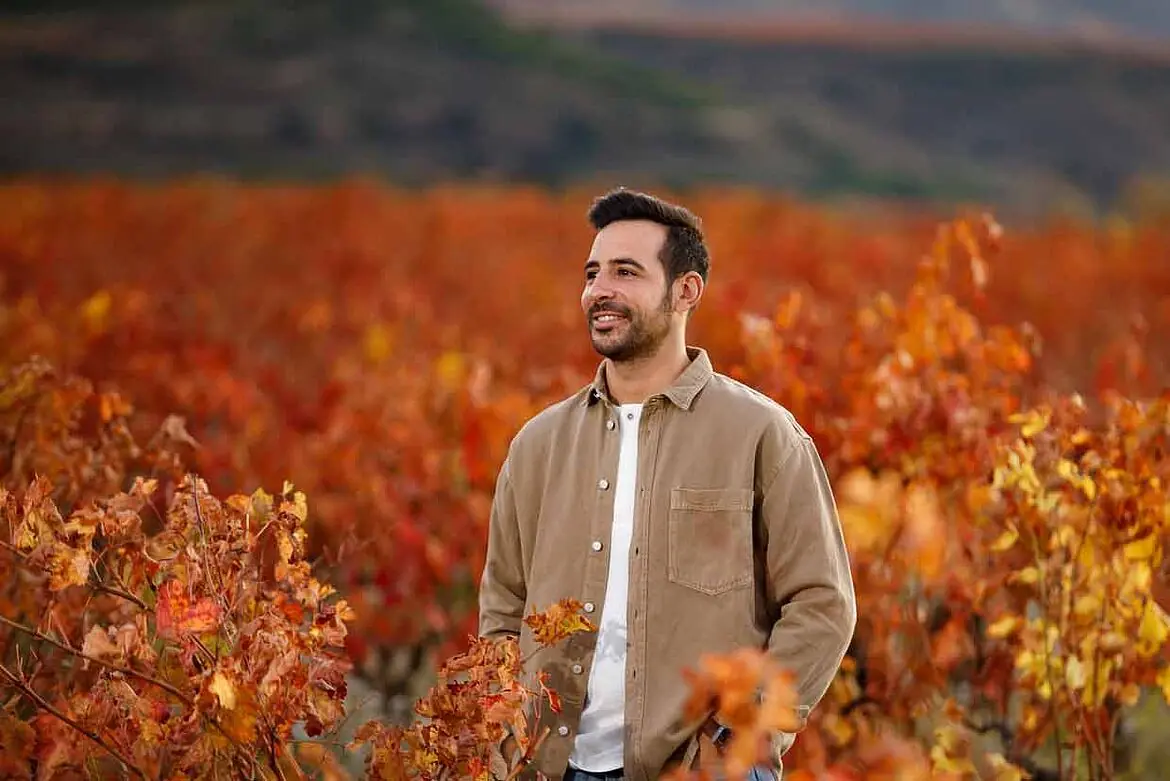
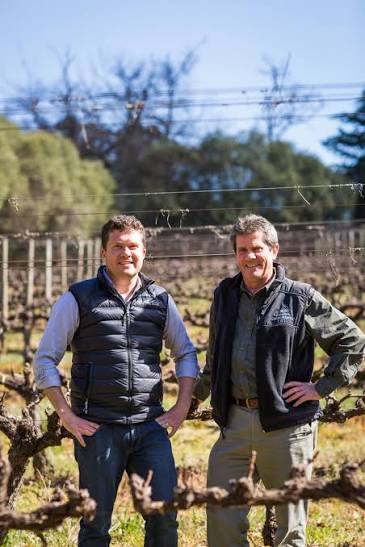
Eduardo Eguren among the autumn vines
Cuentaviñas is one of the newest and most exciting estates in Spain, and it is already mentioned in the same breath as estates with a century of history behind them. That may sound a grand claim for a project still in its first chapter, but the wines have earned it. In the latest Rioja report by Tim Atkin MW, one received the highest distinction of all, Red Wine of the Year. In the previous report Eduardo Eguren had been named Young Winemaker of the Year. The recognition arrived quickly, but the understanding behind the wines has been forming throughout his life.
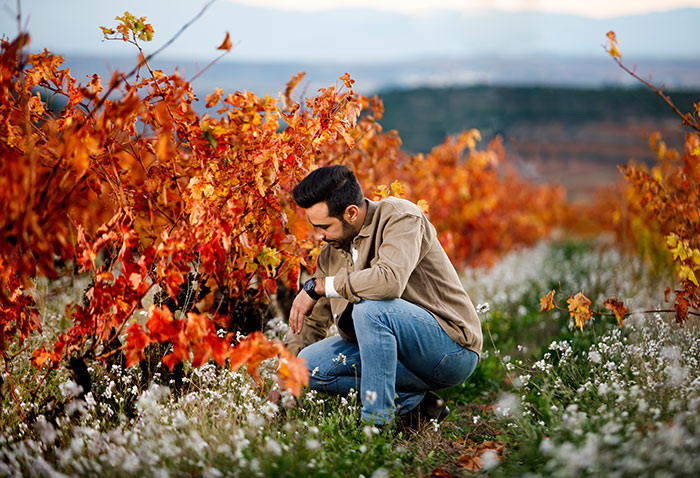
Reading the vineyard in autumn
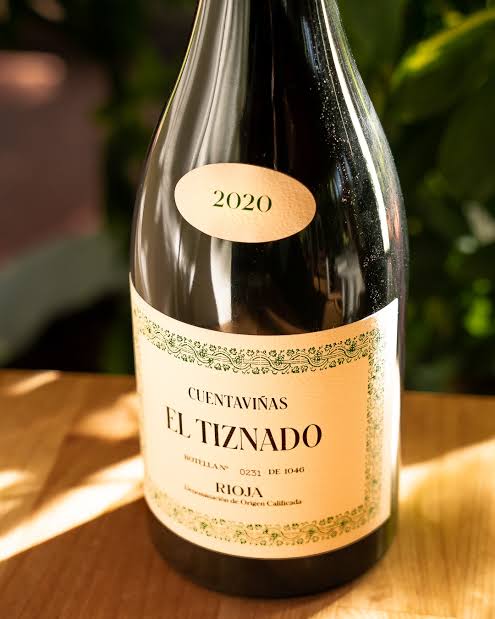
Cuentaviñas El Tiznado 2020
Eduardo is the son of Marcos Eguren and the grandson of Guillermo Eguren, heir to the family behind Sierra Cantabria and one of Spain's most prestigious wine estates. Wine was his inheritance, though never a reason to take anything for granted. He built experience beyond the family cellar, working internationally and in Spain at Artadi, observing other ways of reading a vineyard before returning to Rioja with ideas that were distinctly his own.
Cuentaviñas began with loss. When Eduardo's maternal grandfather died, a group of family vineyards needed a future. Marcos already had plans for them, but Eduardo saw the beginning of his own project and appealed to his parents to let him have the vines. As Marcos put it when Eduardo asked his mother, “What the boy wants, the boy gets.” Behind the smile was a serious act of trust: precious vineyards handed to the next generation, not to repeat what had gone before, but to discover what else they might say.
Eduardo and Carlota, La Jefa
Eduardo in the cellar
The project belongs to Eduardo and his wife Carlota, whom we at Cuvée affectionately call La Jefa, the boss. They now share it with their daughter Catalina, a new generation already present in a family story built across generations. Carlota brings the calm authority that makes the nickname feel entirely deserved, while Eduardo moves between vineyard and cellar with an energy that is impossible not to admire.
The name holds the idea together. Cuenta cuentos evokes storytelling and viñas means vines. Cuentaviñas is therefore a teller of vineyard stories. Eduardo believes that every bottle should speak clearly of the parcel from which it came, not simply of Rioja as a broad place or Tempranillo as a variety. The vineyard is the beginning of the narrative and the wine is how we are invited to hear it.
Every bottle should tell the story of the vineyard from which it came.
His aim is what he calls a false sense of lightness. These are Rioja Tempranillo wines, so tannin, depth and alcohol will always be part of their nature. Eduardo is not trying to disguise that. Instead, he uses acidity to hold everything in balance, bringing freshness and grace to wines of real substance. At their best they have the poise and elegance of fine red Burgundy, yet they could only have come from Rioja. It is a difficult idea to realise and he has achieved it beautifully.
The old cellar
Wine by hand, on an intimate scale
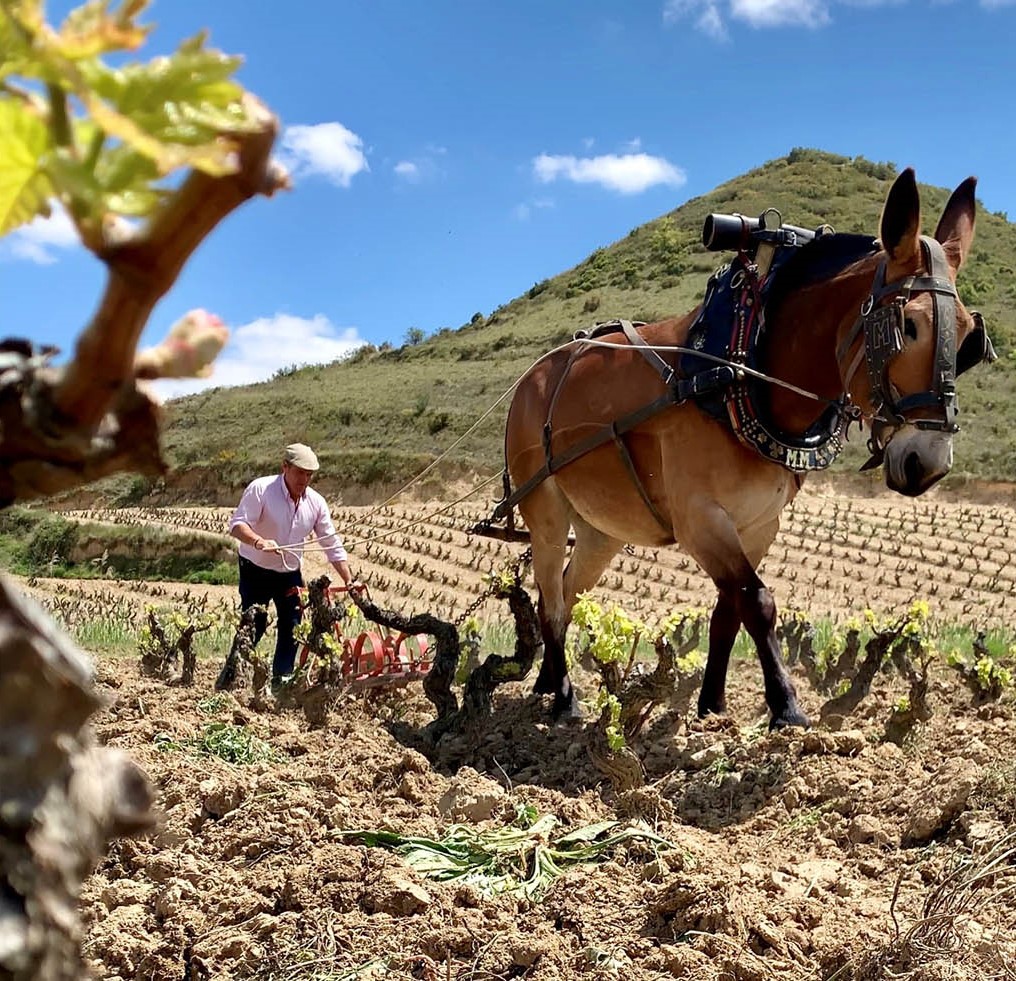
The winery feels less like a modern Spanish estate than a tiny old domaine in Burgundy. Every movement is considered. Gravity carries the wine through the cellar and the work is done by hand. That same patience continues outside, where there is no mechanisation and horses work between the rows. Nothing is performed for effect. It is simply the most sensitive way Eduardo knows to care for the vines and preserve what each site has to say.
The vineyards are worked by horse
The wines are different from those made by his father at Sierra Cantabria. Marcos shares the same devotion to finesse, but his great wines are conceived above all for age and can ask for patience in their youth. Eduardo searches for a freshness that makes his wines wonderfully compelling from the beginning. We are fascinated to see whether they will age with the same grace as his father's creations. For now, Cuentaviñas offers the rare pleasure of watching a great estate take shape, bottle by bottle and story by story.
Cuentaviñas, wines with a story to tell
A false sense of lightness, and a story rooted firmly in Rioja.
E. Pira e Figli: The Barolo Girl and the Next Generation
E. Pira e Figli, Barolo
The history of E. Pira e Figli reaches deep into Barolo. The Pira family appears in the village records as far back as the seventeenth century and began making wine commercially around the turn of the twentieth. Its last custodian, Luigi Pira, known to everyone as Gigi, worked in the old way, treading the grapes by foot and bringing together fruit from Cannubi, San Lorenzo and Via Nuova. When he died without an heir, an old name faced an uncertain future. In 1980 the Boschis family, friends of the Piras and growers in Barolo for generations themselves, stepped in to preserve it.
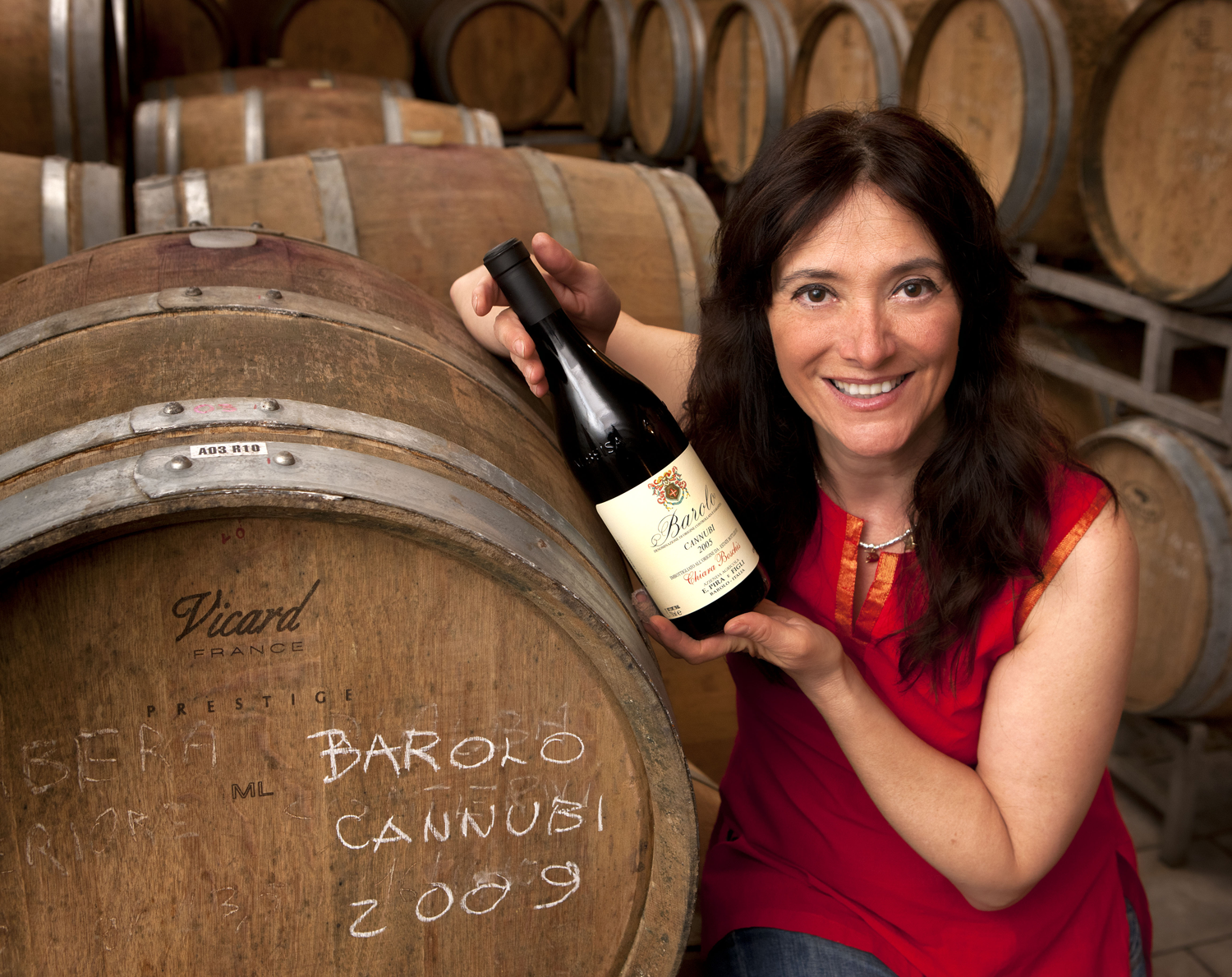
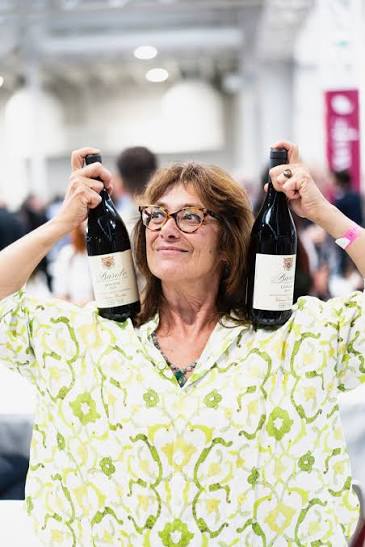
Chiara Boschis and Barolo Cannubi
Chiara Boschis was still studying when the estate became available, but she understood what it could become. By the end of the decade she had taken responsibility for the cellar and given E. Pira e Figli a new voice. Barolo at that moment was in the midst of a revolution. A small circle of young producers wanted cleaner cellars, lower yields, shorter macerations and wines with a clarity that could introduce Nebbiolo to a wider world. They became known as the Barolo Boys. Chiara was the only woman among them, the Barolo Girl in a movement whose influence would travel far beyond Piemonte.
Chiara in the cellar
The many expressions of E. Pira e Figli
The title is memorable, but it can distract from the seriousness of what Chiara achieved. She entered a world in which women were rarely allowed to lead the conversation and built one of Barolo's most admired estates through conviction rather than noise. Her wines brought together the energy of that modernising generation and an increasingly profound respect for the vineyard. They were polished and precise, but never anonymous. The perfume, tannin and quiet authority of Nebbiolo remained at their heart.
The Boschis family in the old cellar
As the years passed, the vineyards became the clearest expression of that philosophy. Cannubi, in the heart of Barolo, gives a wine of fragrance, grace and deceptive strength. Via Nuova is no longer the name of a single site here, but a careful composition from several communes that shows the changing faces of Barolo in one bottle. Mosconi, in Monforte d'Alba, brings darker fruit, breadth and structure. Together they reveal why a single grape can speak with so many distinct voices across such a small landscape.
Life between the rows in Barolo
Chiara's revolution continued in the soil. E. Pira e Figli moved fully into organic farming and has been certified since the 2014 harvest. The work is demanding because the estate's holdings are divided among Barolo, Serralunga and Monforte, yet every row is treated as part of one living system. Wild plants grow between the vines, the ground is encouraged rather than subdued, and the aim is not simply to avoid chemicals but to leave the vineyards in better health for whoever follows.
The acclaim has followed naturally. Cannubi has repeatedly reached the very highest ranks of critical recognition, including 98 points from Wine Advocate for the 2019 vintage and matching 98 point reviews for the 2021 from Wine Advocate and James Suckling. Those scores recognise magnificent wines, but they tell only part of the story. The greater achievement is consistency: Barolo that carries the detail of its site, the hand of its maker and the ability to become more eloquent over many years in bottle.
Chiara Boschis, a singular voice in Barolo
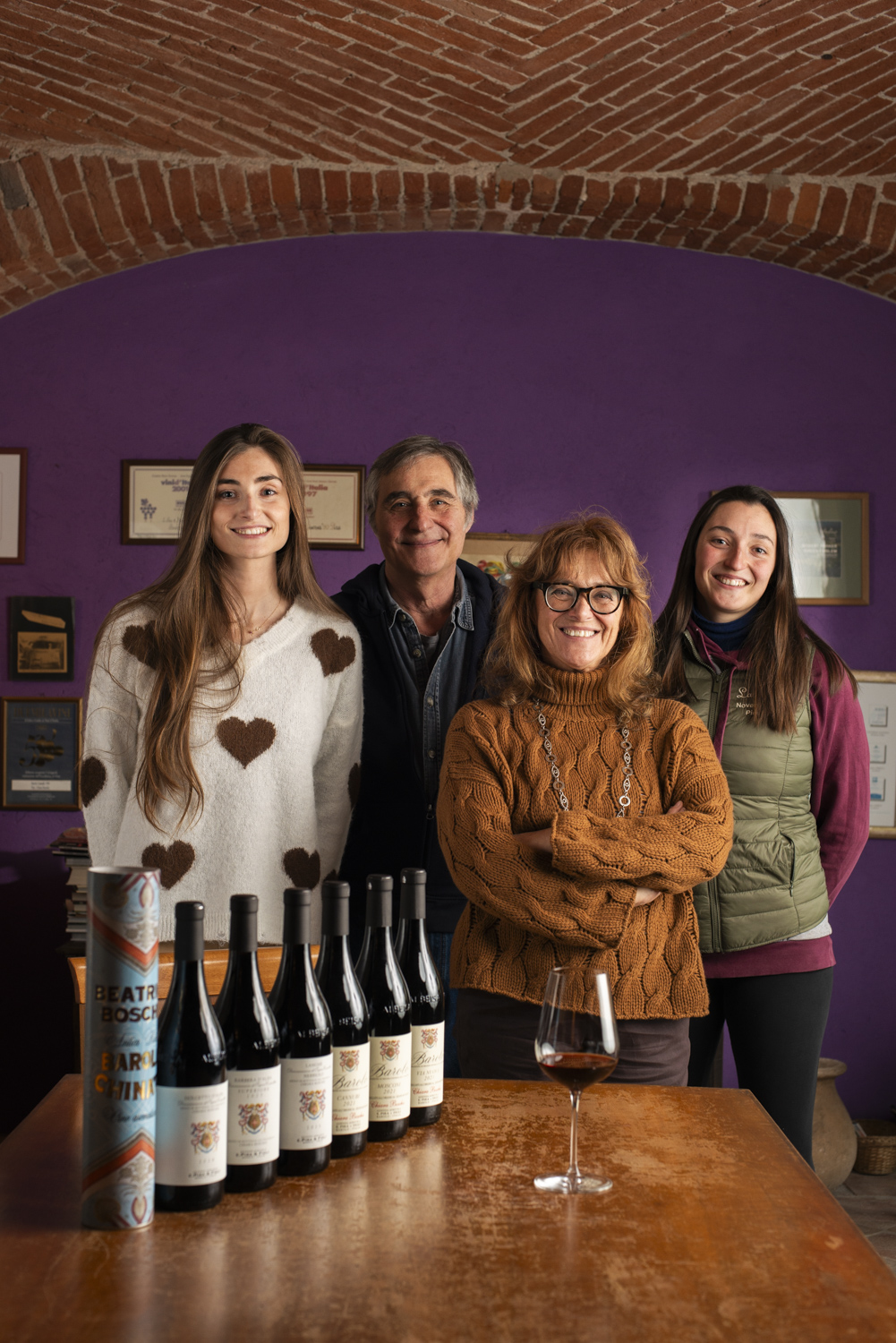
In 2010 Chiara's brother Giorgio joined her at the estate, and the family circle widened again. Today the next generation is becoming part of the story. Beatrice Boschis, Giorgio's daughter and Chiara's niece, now represents the estate alongside the family, bringing a fresh voice to a name Chiara once fought to carry forward. Her arrival feels particularly apt. A domaine rescued because it had no heir is now alive with another generation ready to care for it.
The Boschis family and the next generation
There is something wonderfully complete in that journey. E. Pira e Figli began as a historic Barolo name, was reborn through the determination of the only woman among the Barolo Boys, and now looks ahead through Beatrice and her generation. The wines have changed with the times without losing sight of where they came from. That is Chiara's great gift: not simply modernising Barolo, but showing that progress and inheritance can belong in the same glass.
Some names in Spanish wine are spoken with a particular kind of affection, and Pago de Carraovejas is one of them. At home it sits on the finest lists in the country and its bottles are chased the moment they are released, yet its story begins in a dining room rather than among the vines, with a sommelier who could not find a wine elegant enough for his slow roasted suckling pig.
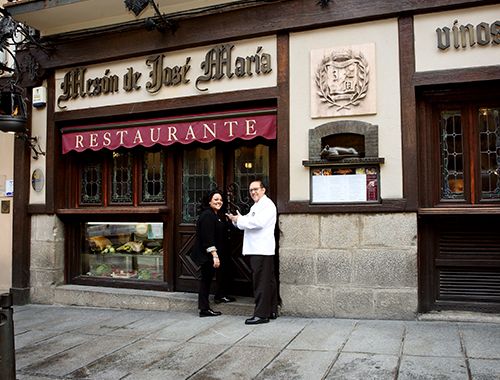
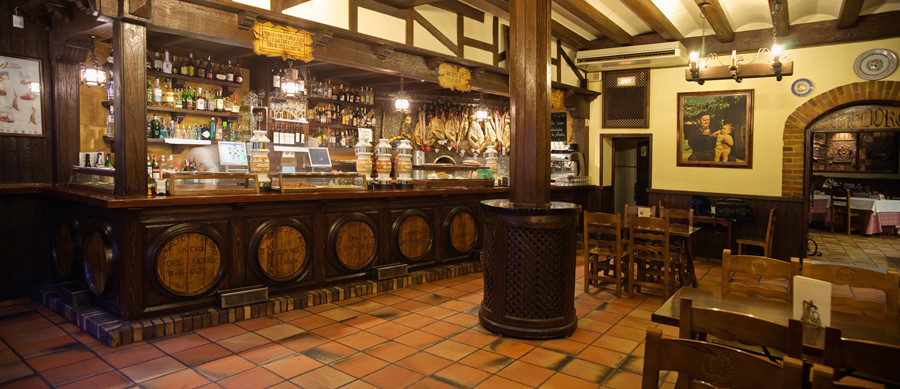
Mesón de José María, the restaurant in Segovia
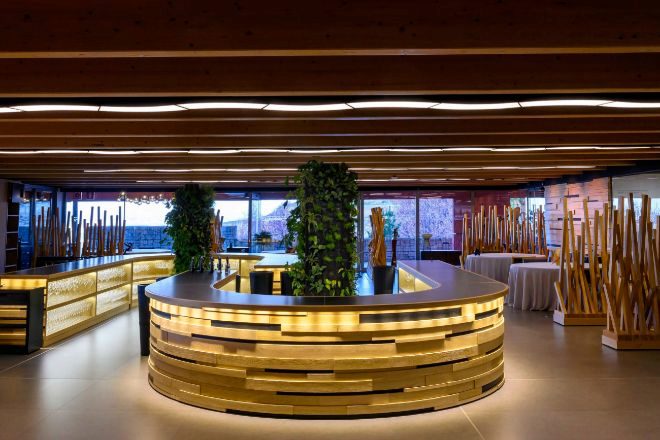
The bar at Mesón de José María
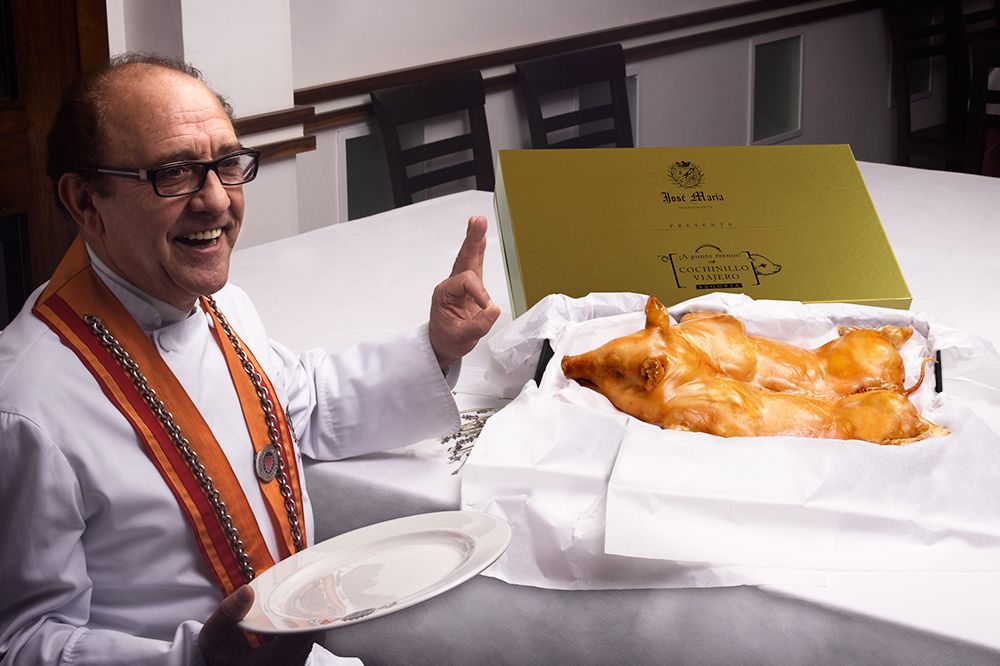
José María Ruiz was Spain's most celebrated sommelier, and the restaurant he created in Segovia, Mesón de José María, has become a Spanish institution. It is famous above all for its cochinillo, suckling pig raised organically, in a part of Spain that lives for roast lamb and the celebrated Lechazo. José María tasted one wine after another against his slow roasted suckling pig and found them all wanting. His conclusion was bold even by his standards: if no wine was elegant enough to accompany it, he would make one himself. The first vintage of Pago de Carraovejas followed in 1991.
José María Ruiz and his celebrated cochinillo
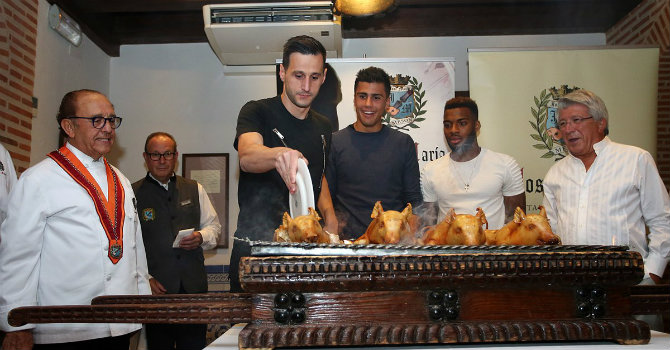
The carving of the cochinillo, a ceremony that continues today
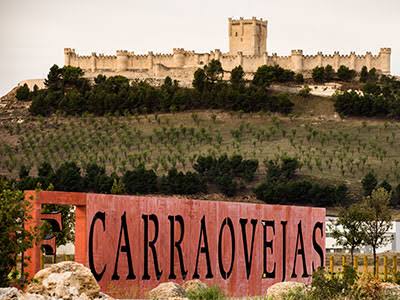
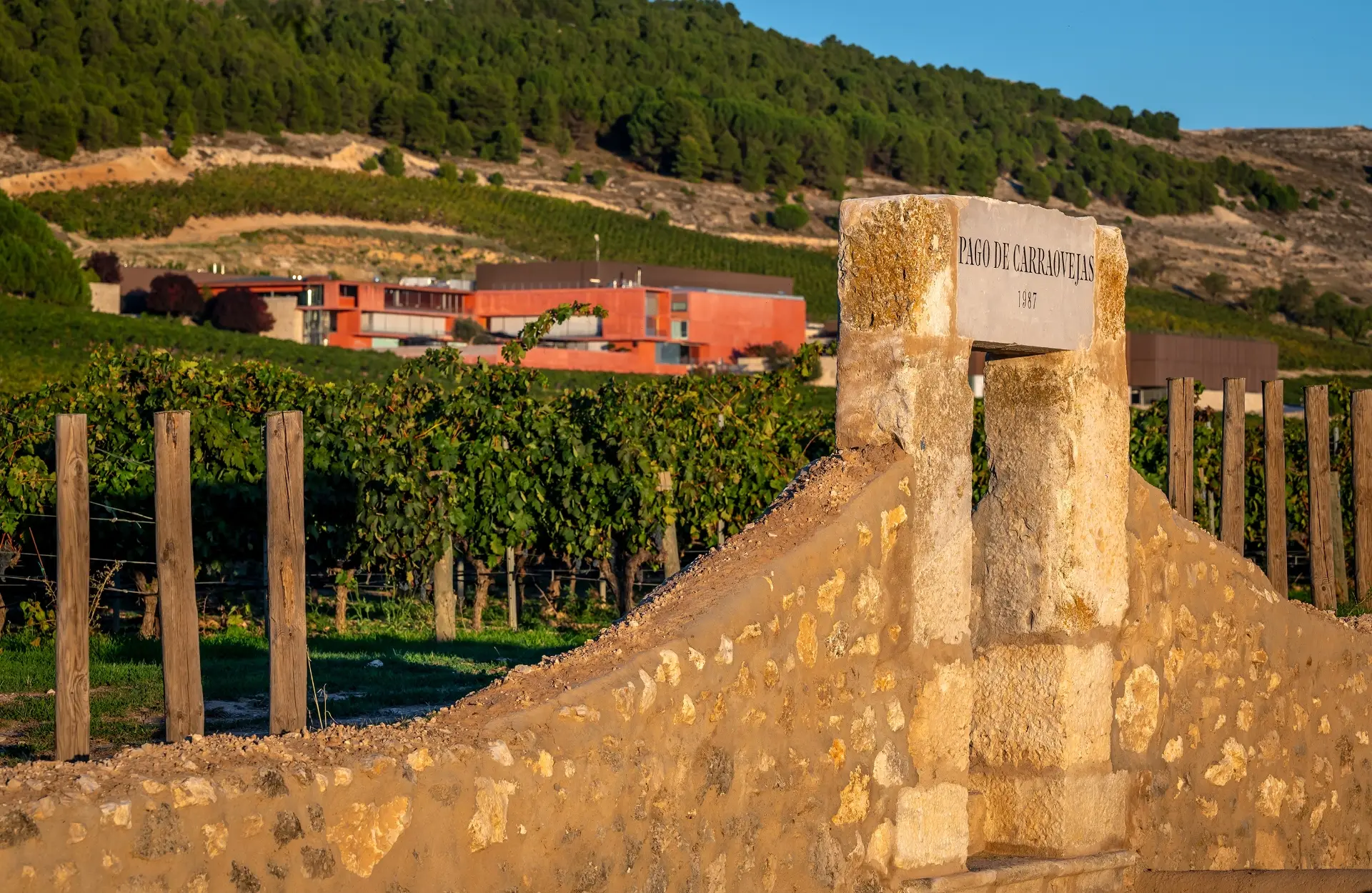
The name comes from the land itself. Carraovejas is a softening of Carretera de las Ovejas, the road of the sheep, the old route the shepherds drove their flocks along in the shadow of Peñafiel castle. The vineyards were planted along that same ancient path on the slopes above the castle town, and the wine carries the memory of the drovers in its name to this day.
The road of the sheep, in the shadow of Peñafiel castle
The stone gateway to the pago
Many years passed, and the wine quietly became one of the greats of Spain. Vintage after vintage it has grown in stature, and today Pago de Carraovejas is a true icon of the country, a bottle sommeliers compete to pour and collectors refuse to be without.
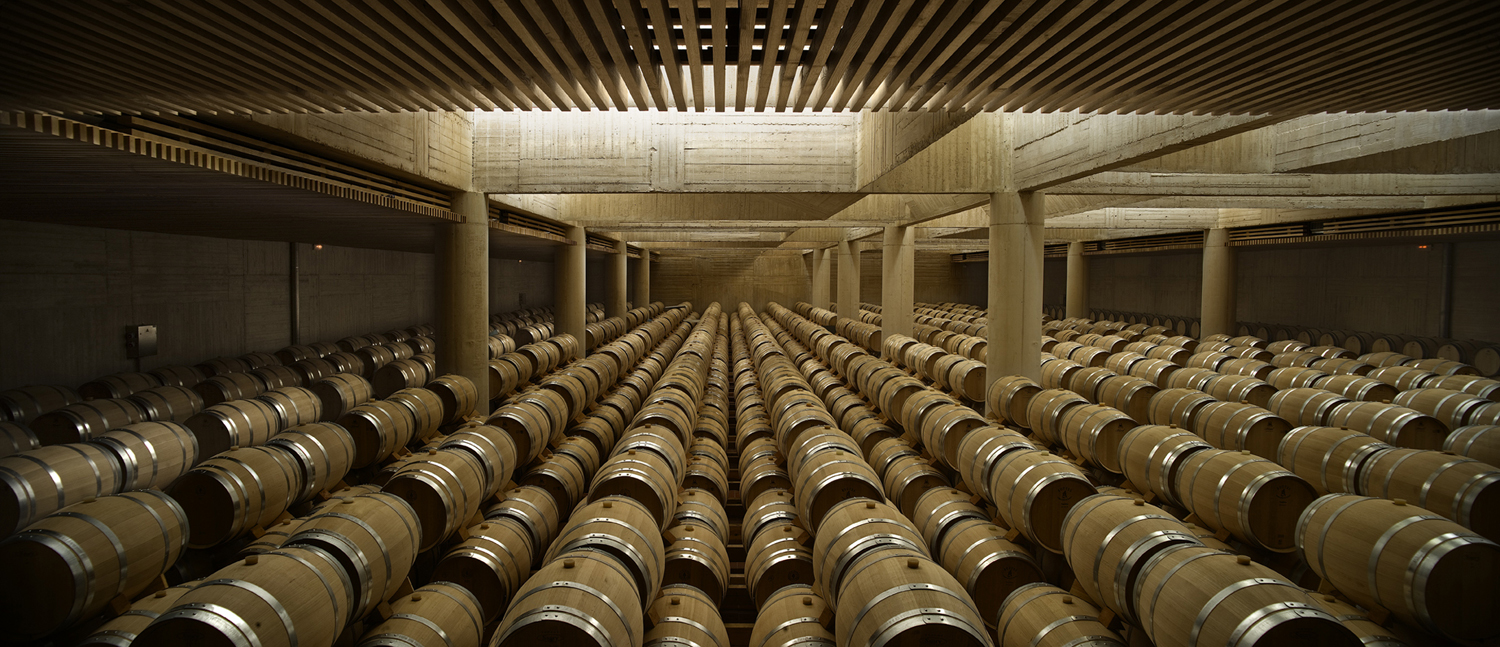
Barrels at rest in the cellar at Pago de Carraovejas
The next chapter belongs to José María's son Pedro, who lives his own mantra, head in the clouds, feet on the ground, better than anyone. Pedro was not content to see Pago de Carraovejas reign simply as the most premium offer on domestic lists. His goal was to place the wine on the international stage, to see it share lists with the great estates of the wine world. That feat has very much been accomplished, and the wines now stand in company its founder could only have dreamed of.
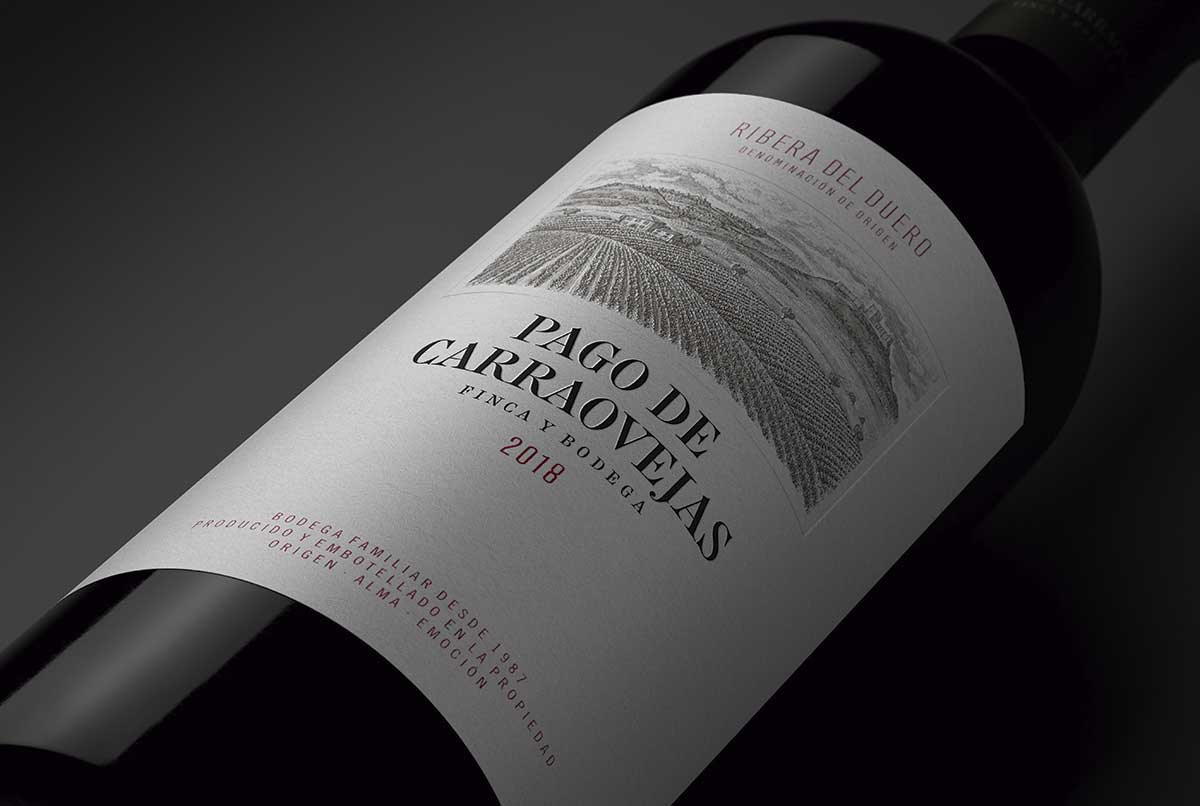
Pago de Carraovejas, Finca y Bodega
Head in the clouds, feet on the ground.
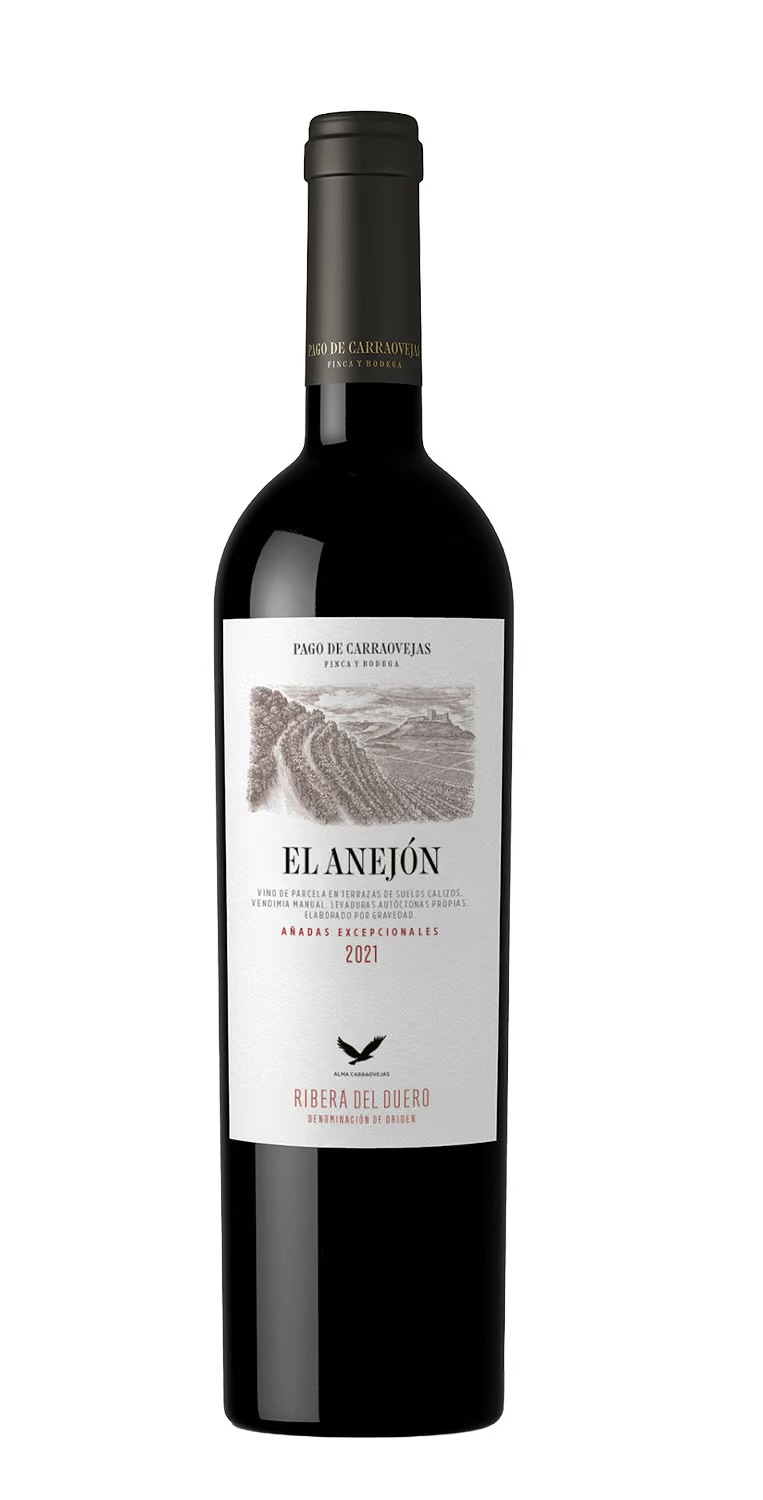
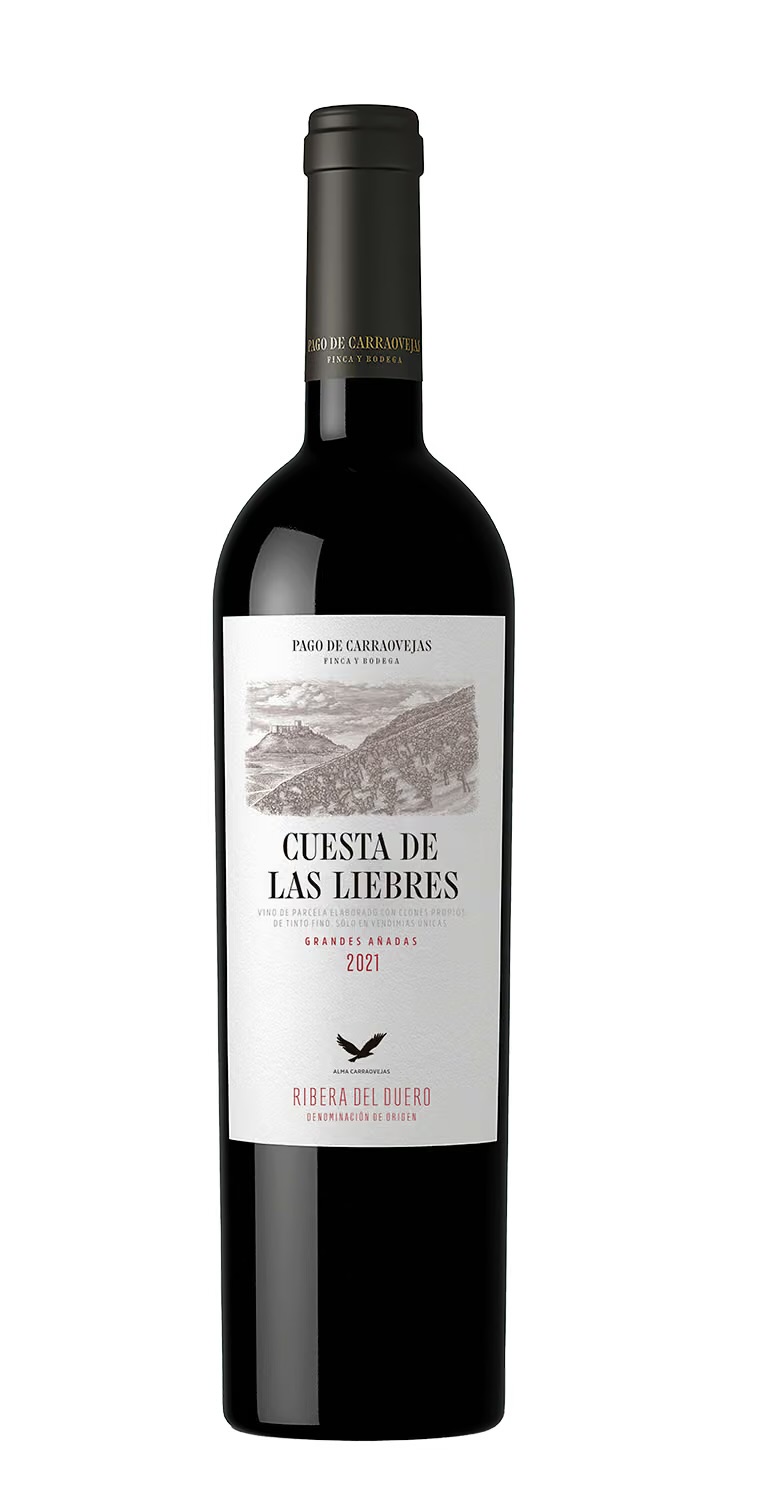
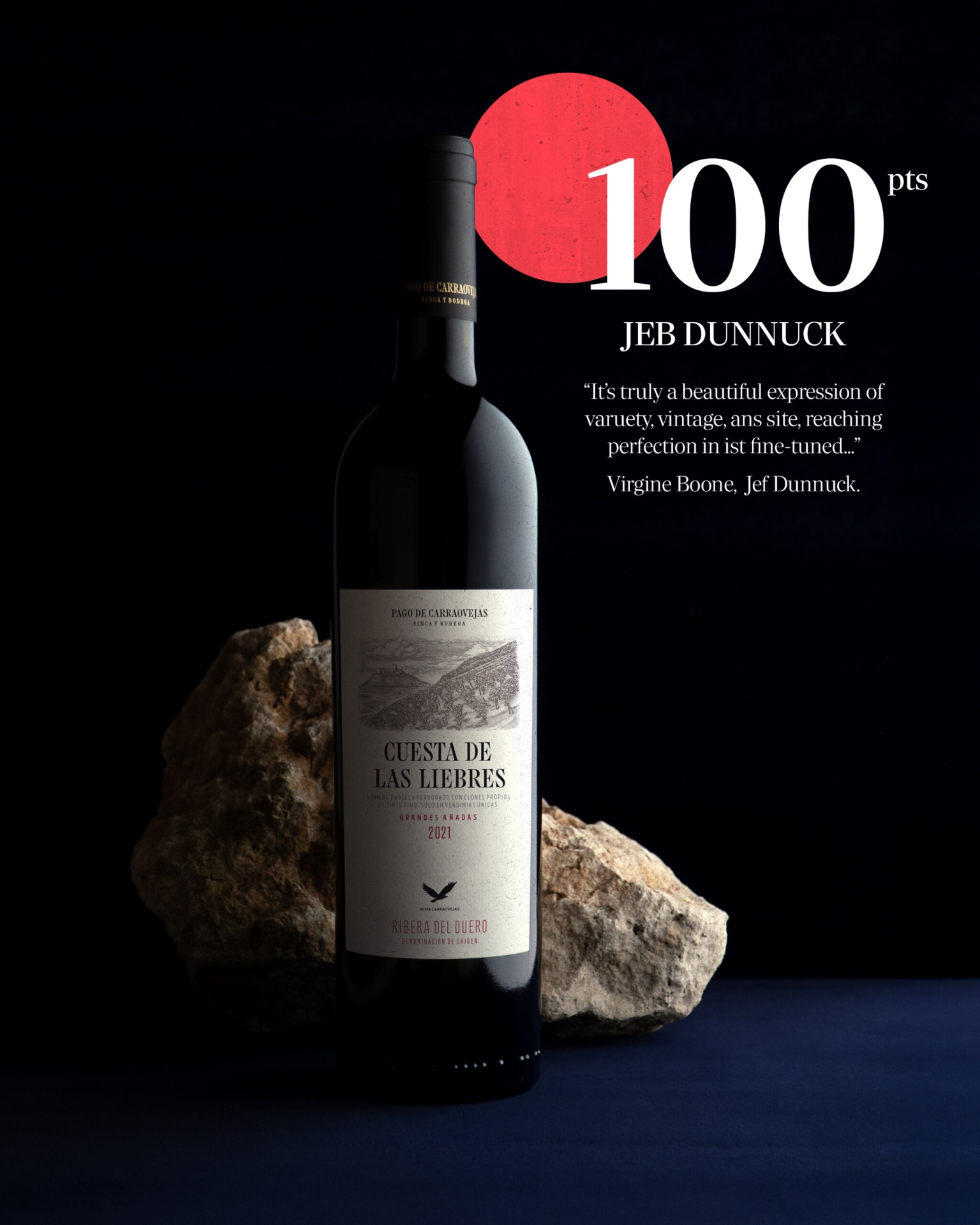
Under Pedro the wines have been refined into a small and precise family. There is the house Pago de Carraovejas itself, and then two single vineyard expressions. El Anejón is the broad and inviting one, its Tempranillo base lifted by a little Cabernet Sauvignon and Merlot. Cuesta de las Liebres is the super refined one, one hundred percent Tempranillo from a single parcel, and its 2021 vintage garnered a perfect one hundred points from Jeb Dunnuck.
El Anejón 2021
Cuesta de las Liebres 2021
Pedro has also been quietly building beyond the pago, creating and acquiring estates across Spain. Among them are the two hundred year old Verdejo vines of Ossian, planted before phylloxera ever reached these shores, the super fresh field blends of Emilio Rojo, and the granitic garnachas of Gredos. We will no doubt be telling some of those stories later in the year.
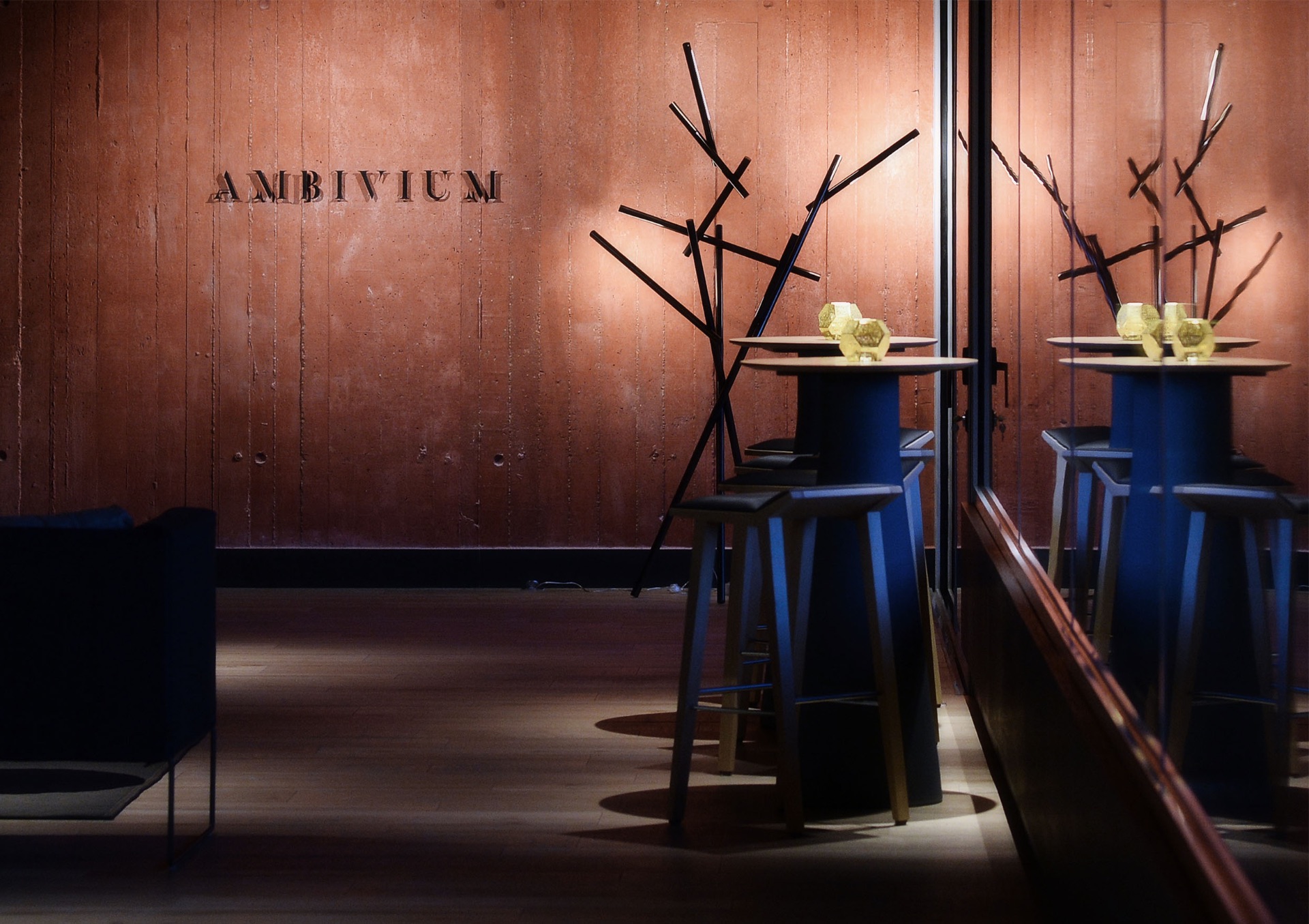
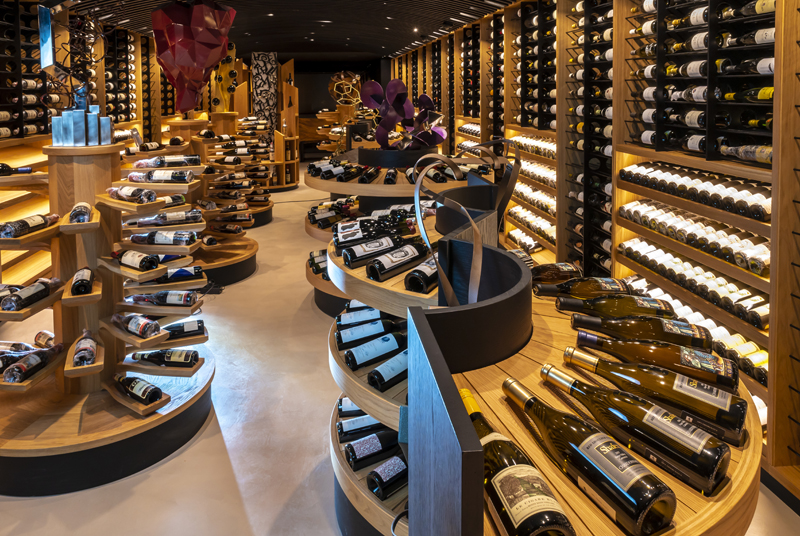
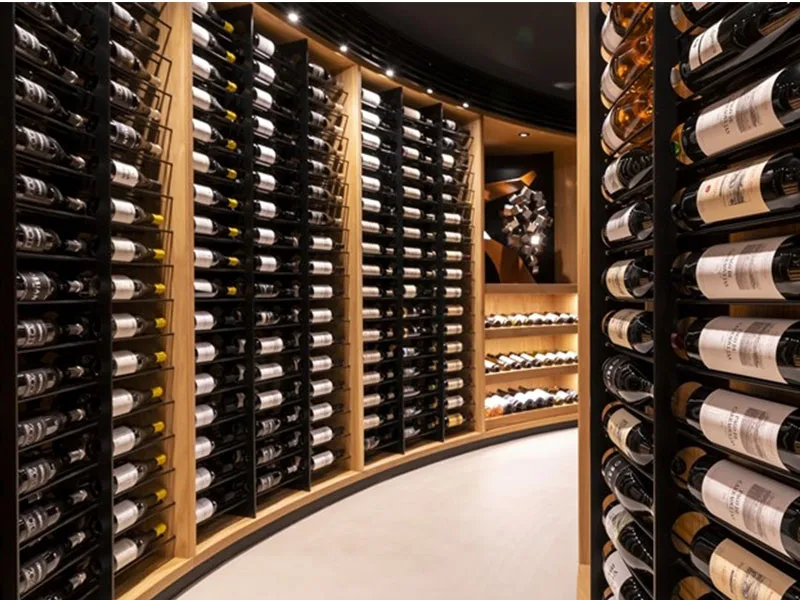
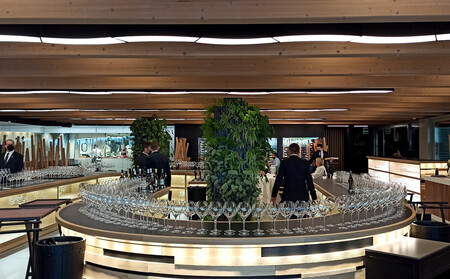
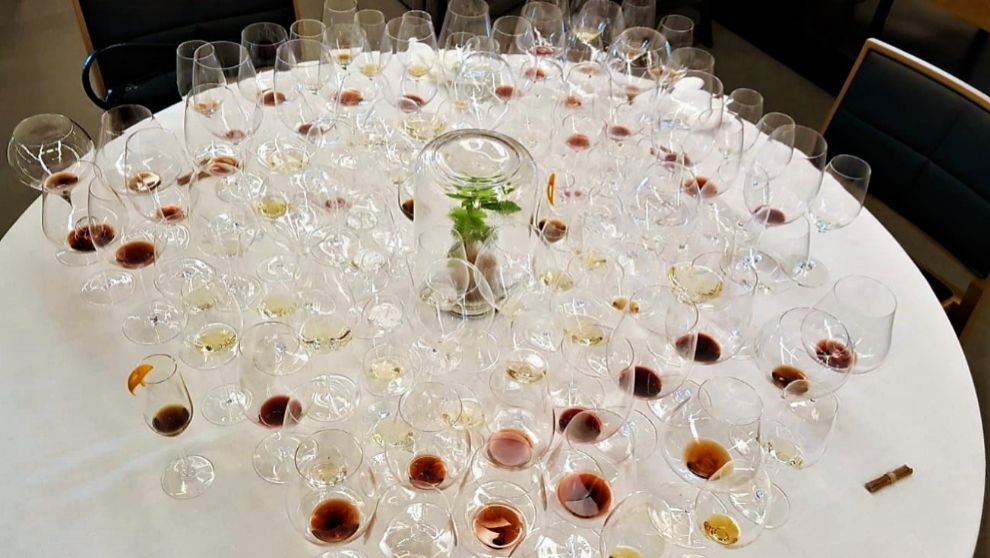
One of Pedro's biggest feats was to follow in his father's footsteps as a restaurateur. Ambivium, at the winery, has become the greatest wine destination in Spain and one of the country's top cellars. A single sitting sees every plate of the tasting menu paired with three or four wines, and some of those wines are never available to the public. The cellar is extensive in a way few anywhere can match: library vintages of DRC, beautifully matured Cristal, and a plethora of Y'quem vintages.
Arriving at Ambivium
The cellar, one of the finest in Spain
Library vintages, rack after rack
The counter set for a single sitting
Three or four wines for every plate
The dining room at Ambivium
They are one of the great families of Spain, and Pago de Carraovejas remains one of the most known and most sought after labels in the country, even if it is more elusive in export markets such as the UK. Elusive, of course, is part of the pleasure. When the bottles do reach us, they never stay with us for long.
Cuesta de las Liebres 2021, one hundred points from Jeb Dunnuck
From the road of the sheep to the great wine lists of the world.
Today the name Ken Forrester is spoken in the same breath as South African Chenin Blanc, and the wines are poured in some of the finest restaurants in the world. It is easy to forget that when Ken began, Chenin was the grape nobody wanted to talk about. It was the workhorse of the Cape, planted everywhere and respected almost nowhere, destined for brandy stills and cheap bulk blends.
Ken came to wine from the restaurant floor. He was a restaurateur in Johannesburg with a love of food, a gift for hospitality and a feeling that the Cape was sitting on something it had not yet understood. In 1993 he bought Scholtzenhof, a historic farm on the lower slopes of the Helderberg in Stellenbosch, with a homestead dating back to the late seventeenth century and a scattering of old, gnarled Chenin vines that most growers would have pulled out.
Ken Forrester in the vineyard
He kept them. Those old bush vines, dry farmed and low yielding, gave small berries with extraordinary concentration, and Ken set out to prove that Chenin could make wines of real stature. From the ripest fruit of the oldest vines he made a rich, layered, barrel fermented Chenin, and the wine he called FMC became one of the bottles that changed how the world looked at the Cape.
The old vines nobody wanted turned out to be the finest thing on the farm.
The name came from London, and from a man we miss. The late Matthew Jukes tasted it at the London Wine Fair and, in the blunt and generous way that made him such company, declared it "F**king Marvellous Chenin". Ken was never going to let a line like that go to waste, and the initials went on the label.
What stays with you about Ken is the warmth. He never lost the instincts of the restaurateur: the wines are made to be enjoyed at the table, generous and welcoming, and there is always a story and a laugh to go with them. He championed Chenin at home and abroad with a zeal that was infectious, and in doing so helped a whole generation of Cape growers look again at the old vineyards they had been ready to abandon.
A walk through the old bush vines
That is his legacy. A grape that was once an afterthought is now one of South Africa's proudest calling cards, and a farm beneath the Helderberg remains a very good place to understand why. If you like drinking great white Burgundy, the Chenin Blancs of Ken Forrester are worthy of investigation. They carry the same structure and the same capacity to reward patience in bottle, with a warmth of fruit that makes them a pleasure to drink young.
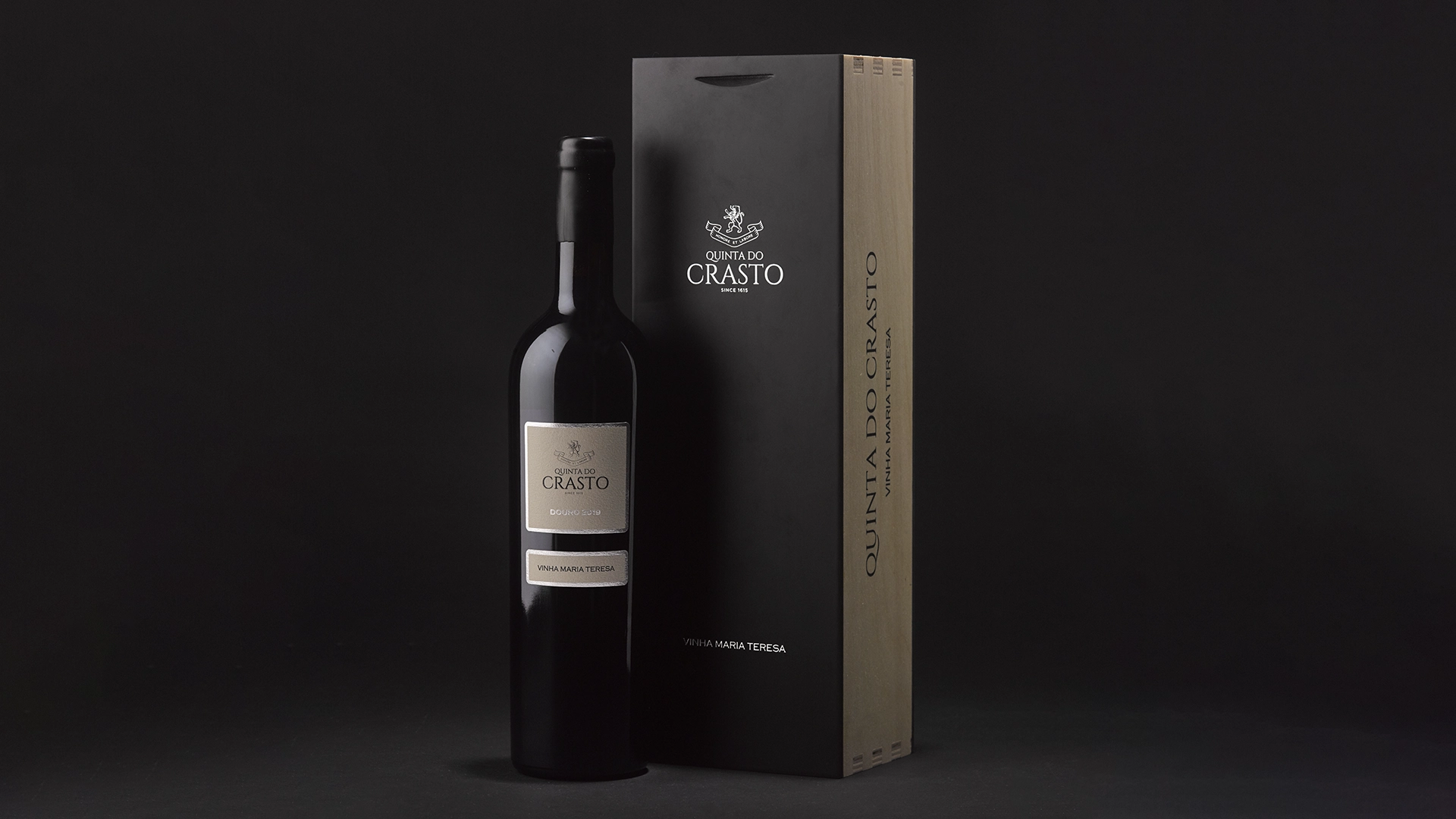
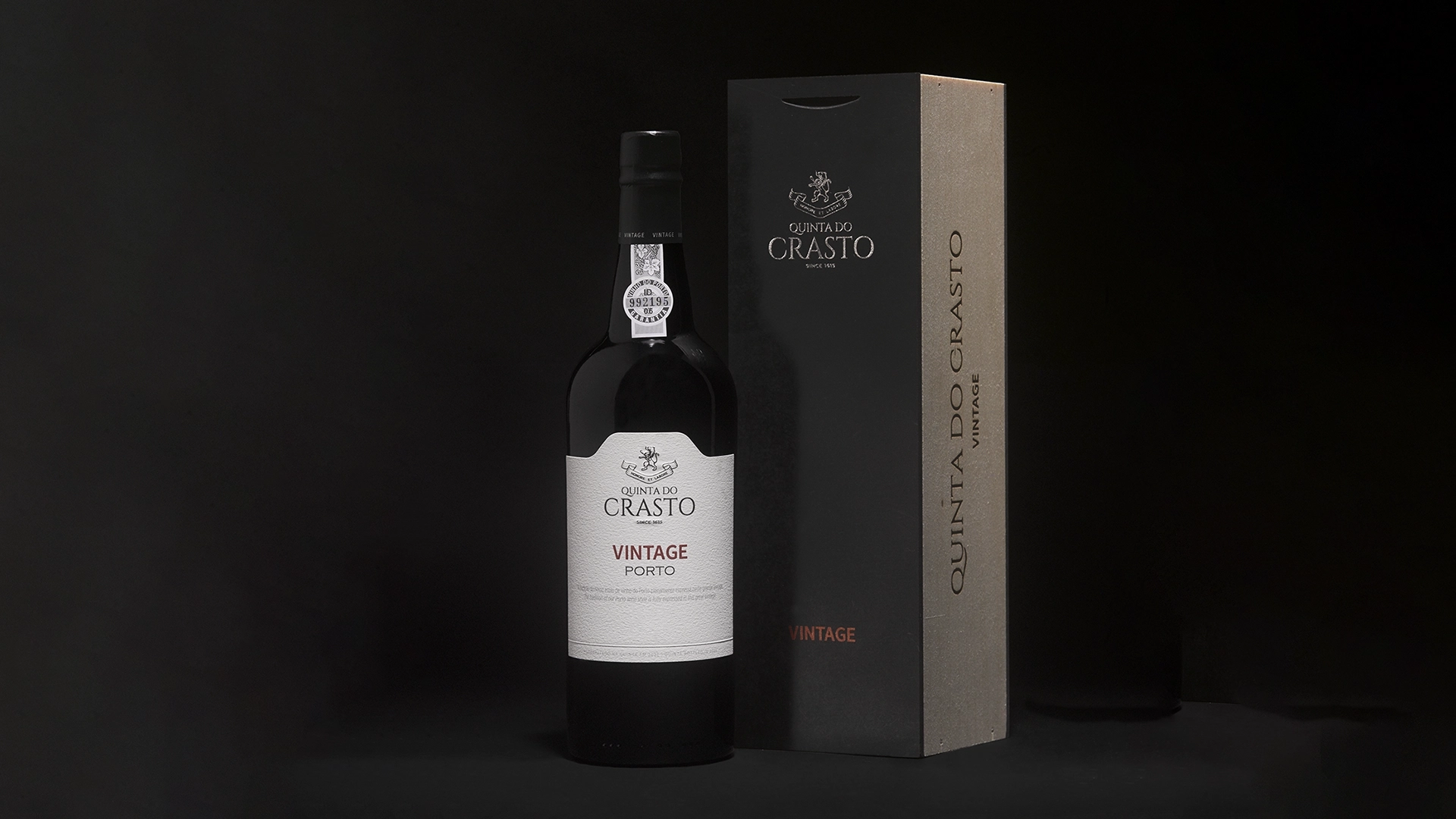
Quinta do Crasto: A Family, a River and a Hundred Year Old Vineyard
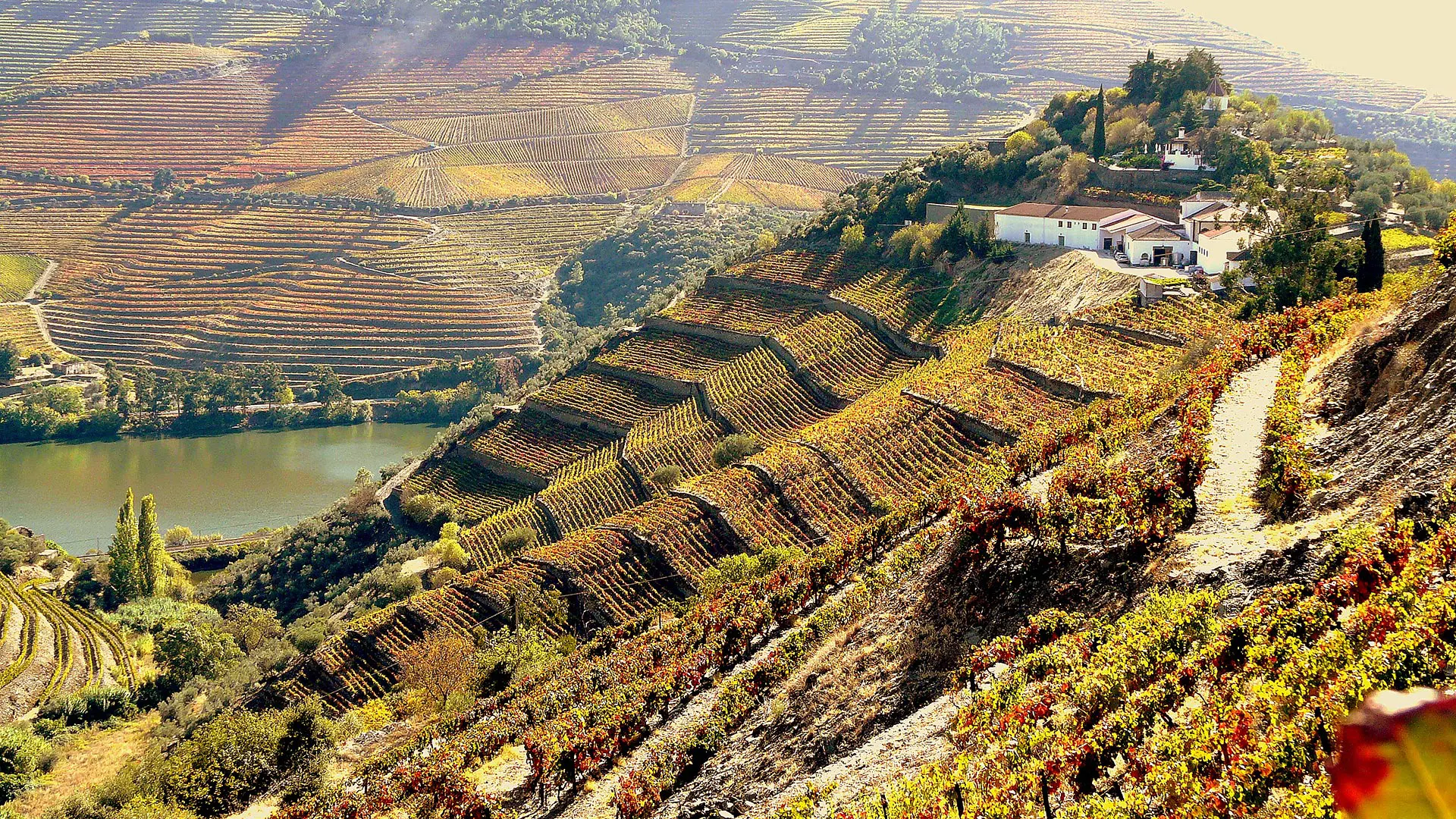
The terraces above the Douro
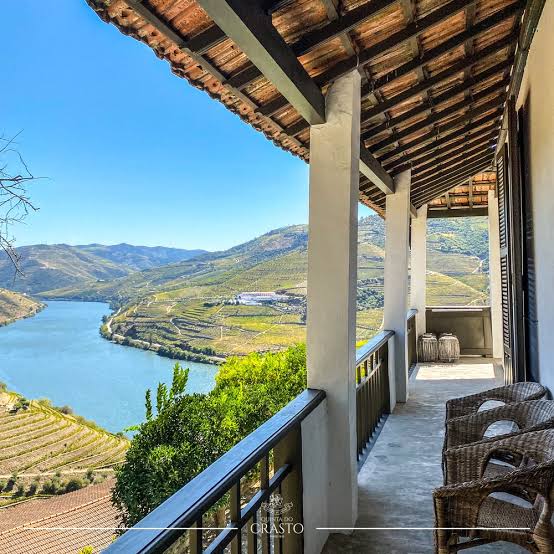
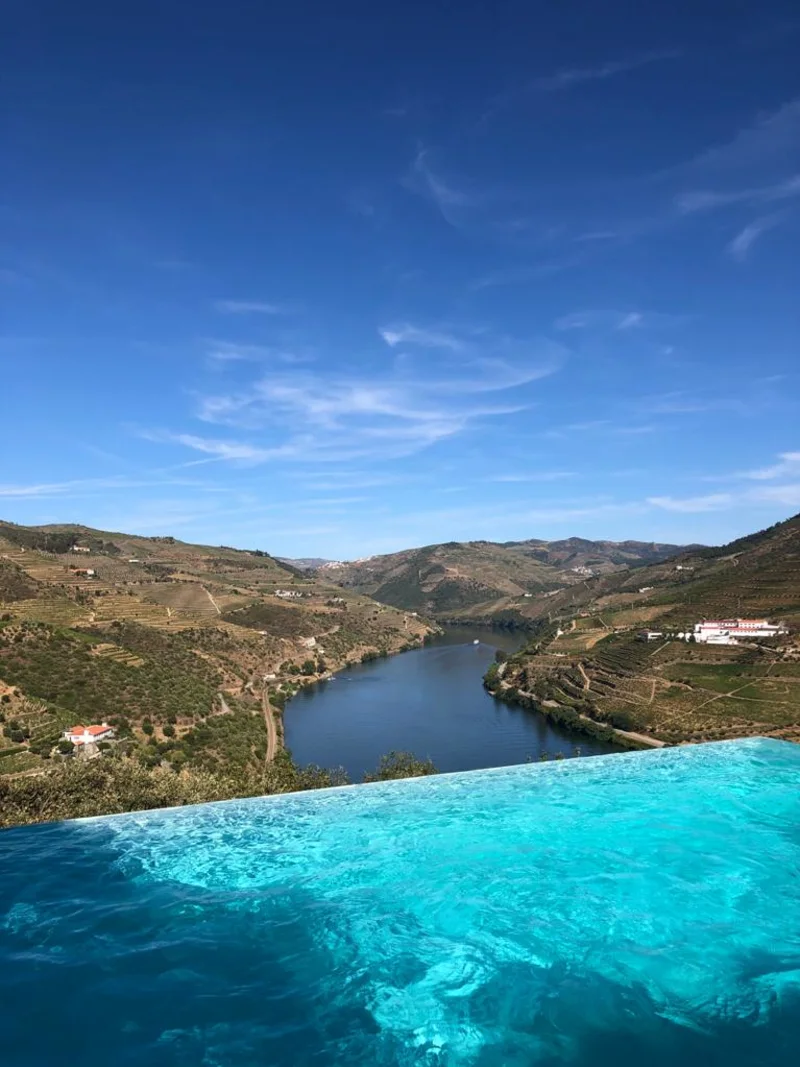
Stand on the terrace at Quinta do Crasto and the Douro opens out beneath you, the river turning slowly through a landscape of stone terraces cut into the hills by hand. Few estates in the world sit so perfectly in their place, and few families have understood that place quite as well as the Roquettes.
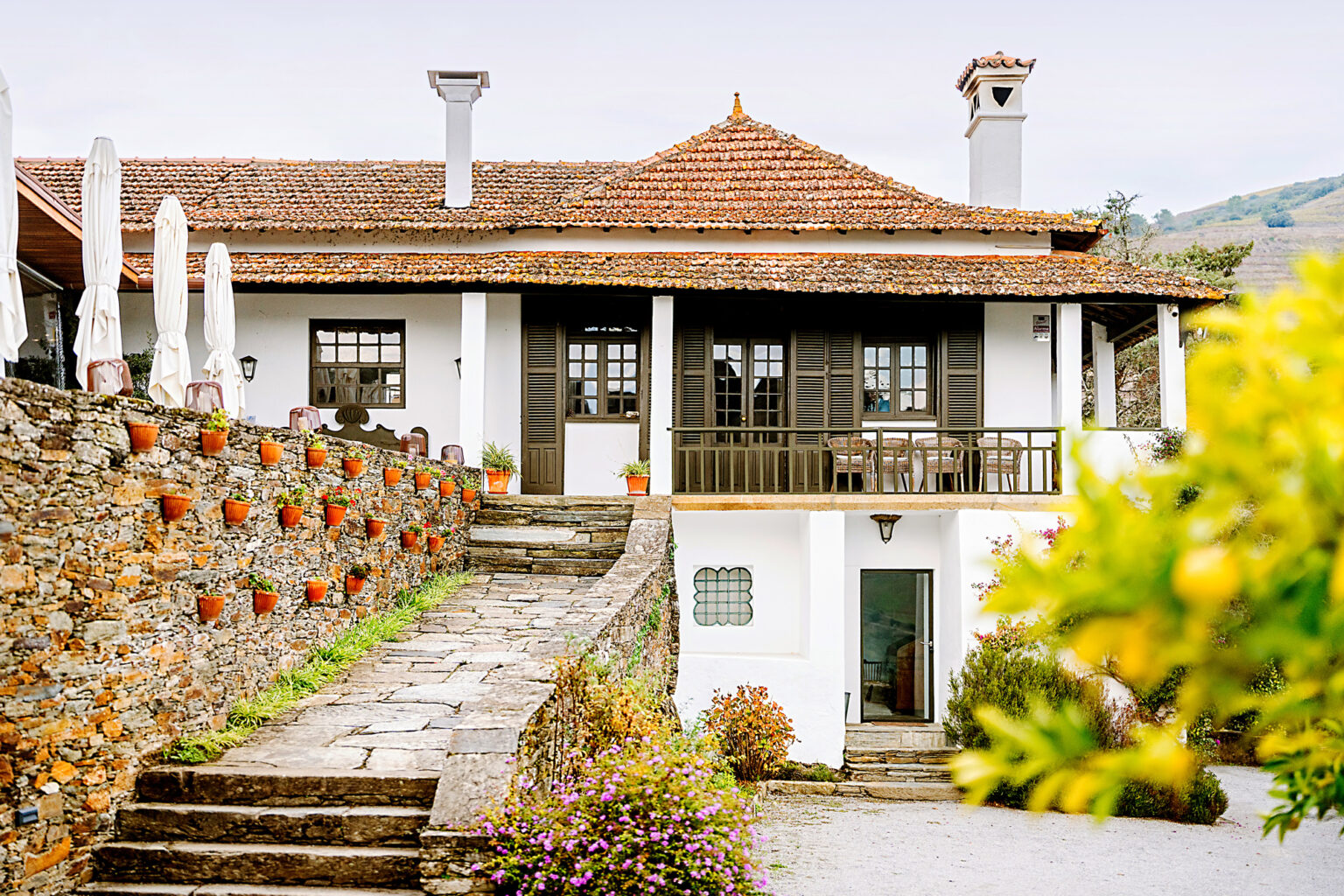
The estate at Crasto
Looking out over the river
The estate is old, with records that reach back to the seventeenth century, but its modern story belongs to a family. It came to Constantino de Almeida early in the last century, and in 1981 it passed to his granddaughter Leonor and her husband Jorge Roquette. Together they took a decision that was bold for the Douro of the time. This was a valley built on Port, and fine unfortified red wine was still something of an afterthought. The Roquettes believed their vineyards could make table wines to stand alongside the best in Europe.
Above the Douro
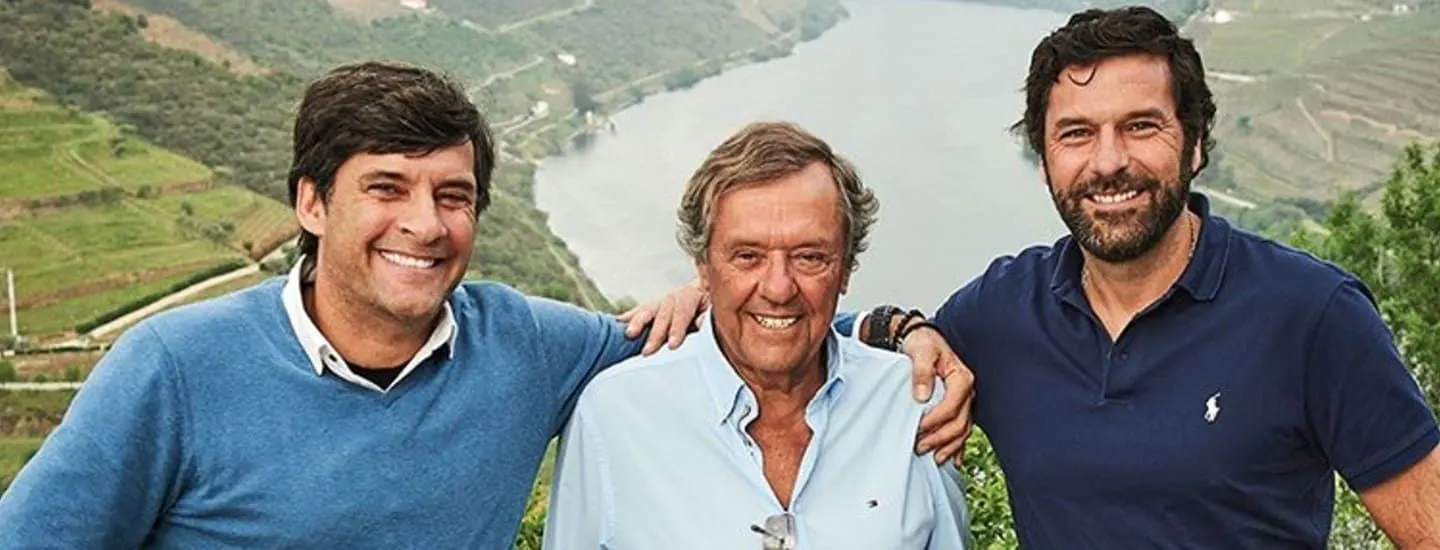
Today their sons Miguel and Tomás run the estate, with winemaker Manuel Lobo in the cellar, and the family instinct for hospitality is everywhere. Lunch at Crasto is never hurried. There is always another bottle to open, another view to admire, another story from Jorge about the early years.
The view from the terrace
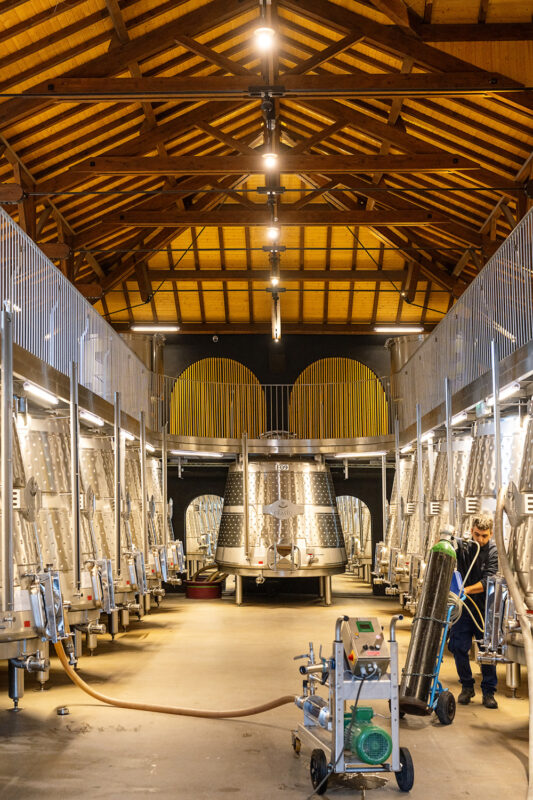
Inside the cellar
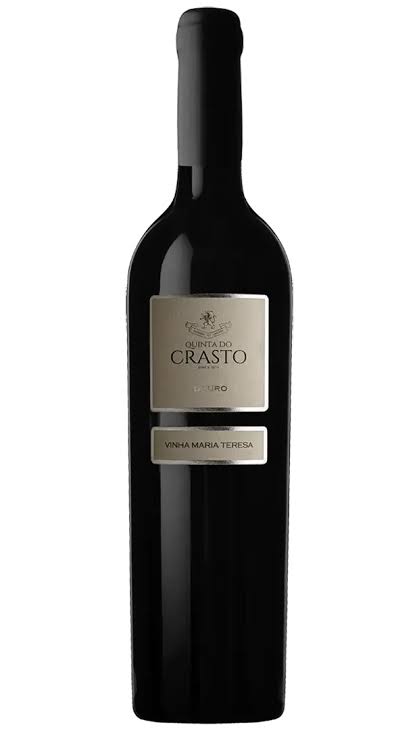
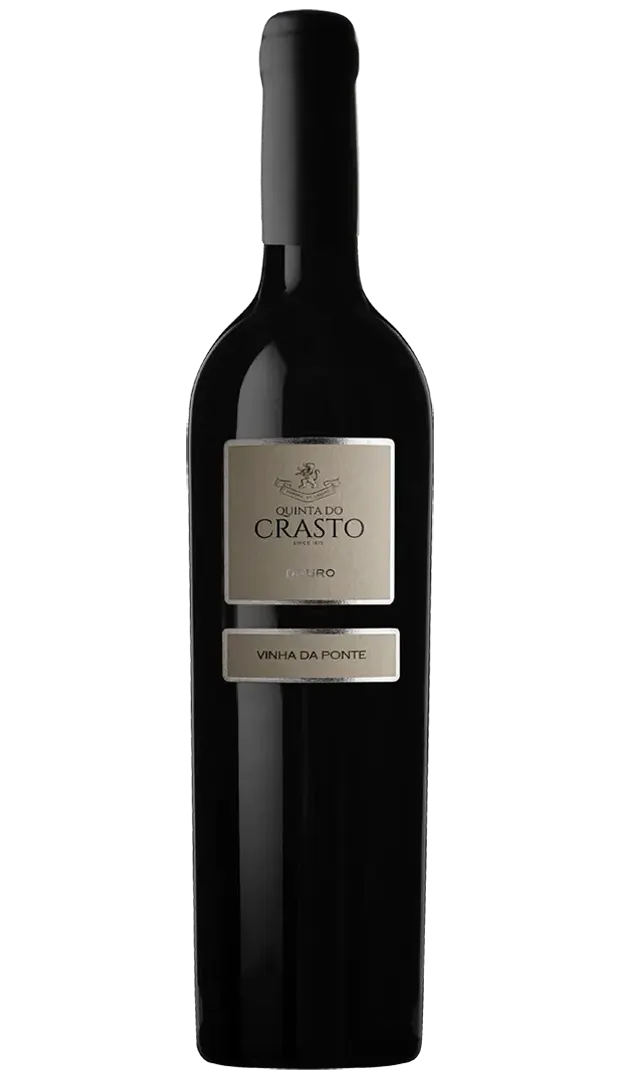
The heart of it all lies in two remarkable vineyards. Vinha Maria Teresa and Vinha da Ponte are old field blends, planted long ago with dozens of native varieties growing side by side, many of them barely known outside the valley. The vines are picked together and made together, exactly as the old growers intended, and the wines are produced only in years the family feels are truly worthy. They are the purest expression of the Douro you are ever likely to taste.
Vinha Maria Teresa
Vinha da Ponte
It is a story of patience as much as ambition. The Roquettes did not change the Douro by ignoring its past; they listened to the old vineyards and let them speak.
Trimbach at 400: Riesling, Family and the Art of Balance
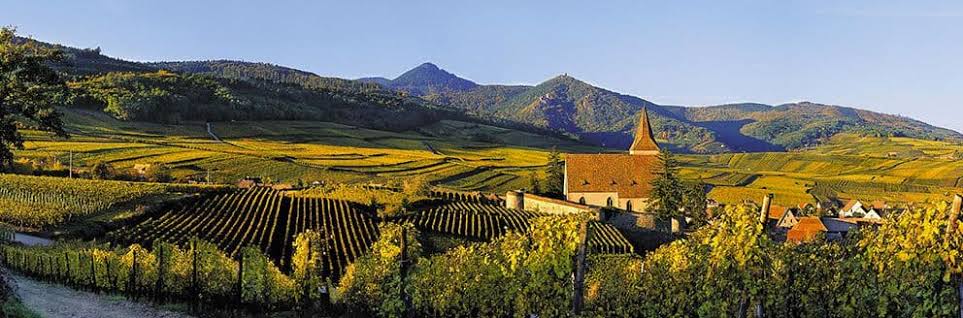
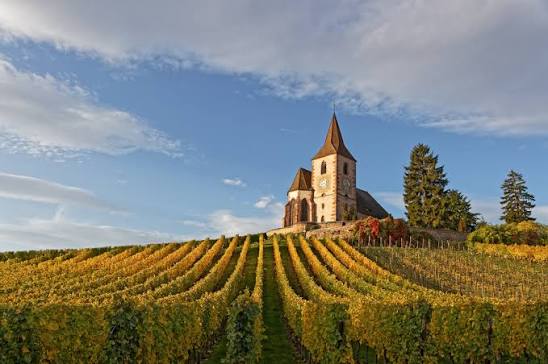
The vineyards of Alsace beneath the Vosges
In 2026, Trimbach celebrates its 400th anniversary. Four centuries have passed since Jean Trimbach was recorded as a citizen and winegrower in Riquewihr in 1626. Through wars, changing borders and thirteen generations, the family has remained in Alsace and remained devoted to the wines of this remarkable place. It is an extraordinary inheritance, but Trimbach never feels like a house looking backwards. The wines are alive, precise and unmistakably themselves.
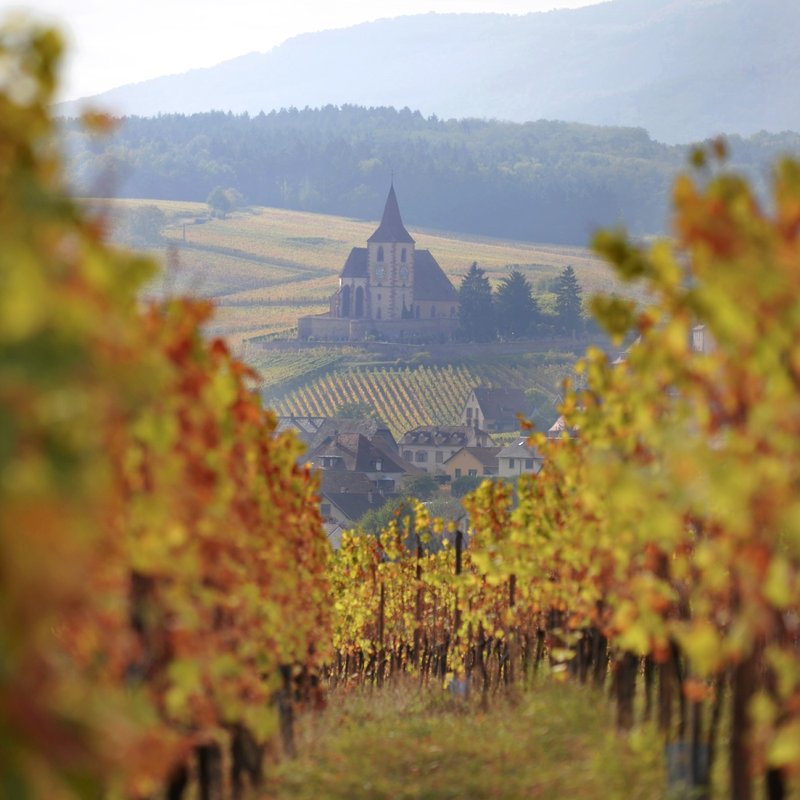
Autumn among the vineyards of Alsace
Vines rising above Ribeauvillé
For many wine lovers, the person who brings that story to life is Jean Trimbach. Charismatic, generous and wonderfully direct, Jean has spent decades carrying the wines of Alsace around the world. His enthusiasm is infectious, but behind it lies complete conviction. He knows what Trimbach should taste like and he knows why it matters. For years he worked alongside his brother Pierre, the gifted winemaker whose quiet precision defined the modern style of the estate. Pierre's sad passing was felt far beyond Ribeauvillé. His legacy is present in every cellar release and in the clarity of every bottle that bears the family name.
Jean Trimbach
Pierre Trimbach
Everything at Trimbach comes back to balance. Not sweetness for its own sake, nor power, ripeness or acidity in isolation, but the point at which each element holds the others in place. The wines are dry, pure and made for the table, with the freshness to live for decades. The family also uses a far higher proportion of fruit from Grand Cru vineyards than most estates, even in wines that do not carry those famous vineyard names on the label. That quality runs through the whole range, from the first Riesling to the rarest bottles in the cellar.
The old foudres in the family cellar
Time resting quietly in the cellar
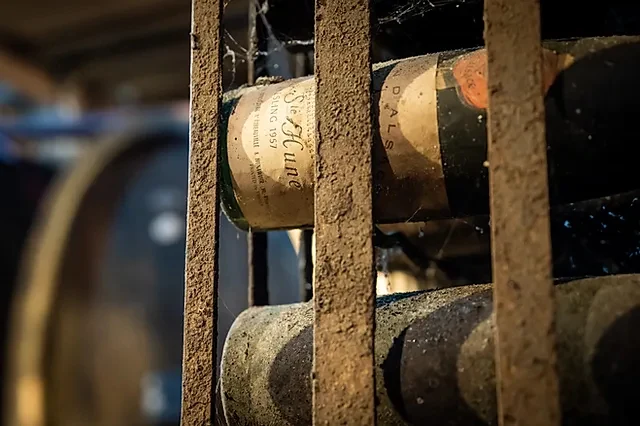
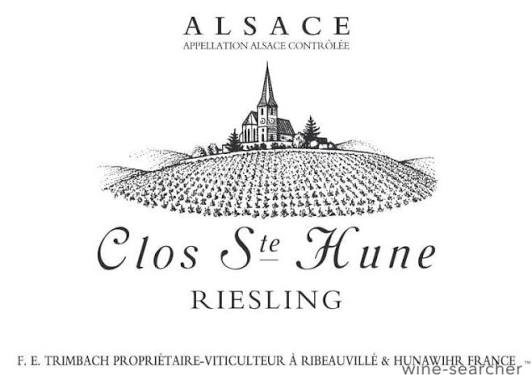
And then there is Clos Sainte Hune. A tiny parcel of Riesling within the Rosacker Grand Cru at Hunawihr, it has belonged to the family for more than two centuries. Production is counted in only a few thousand bottles, and the wine is held back until the family believes it is ready. It is available by allocation only, which is hardly surprising. Clos Sainte Hune is one of the greatest white wines in the world, perhaps the greatest, with a depth, purity and capacity to age that place it beyond easy comparison.
Clos Sainte Hune at Hunawihr
Clos Sainte Hune Riesling
There is a lovely certainty to Trimbach. The family has never needed to chase fashion and the labels have barely changed in generations. Limestone, dry wine, patience and balance matter more than trends. Taste an older bottle and the precision remains, but time has added layers of smoke, stone, citrus and spice. Nothing is excessive. Nothing is out of place.
That is why, for us at Cuvée, the family's words have become something closer to a mantra: Riesling is Trimbach and Trimbach is Riesling. We hold onto them because they are quietly useful. When someone asks what great dry Riesling should feel like, we know exactly which bottle to reach for, and when we are fortunate enough to find a little to share with members, it is gone before the evening has properly turned.
Gorgona: The Island Wine That Gives a Second Chance
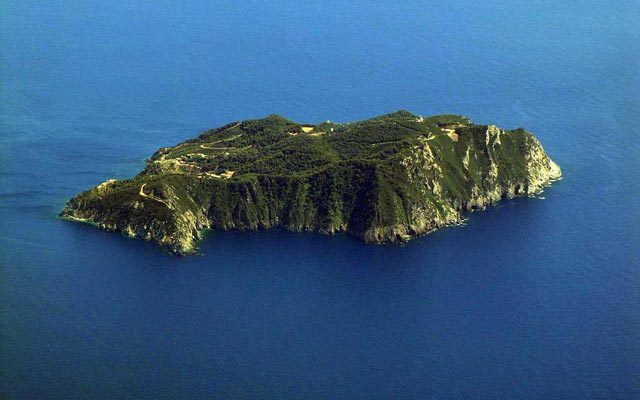
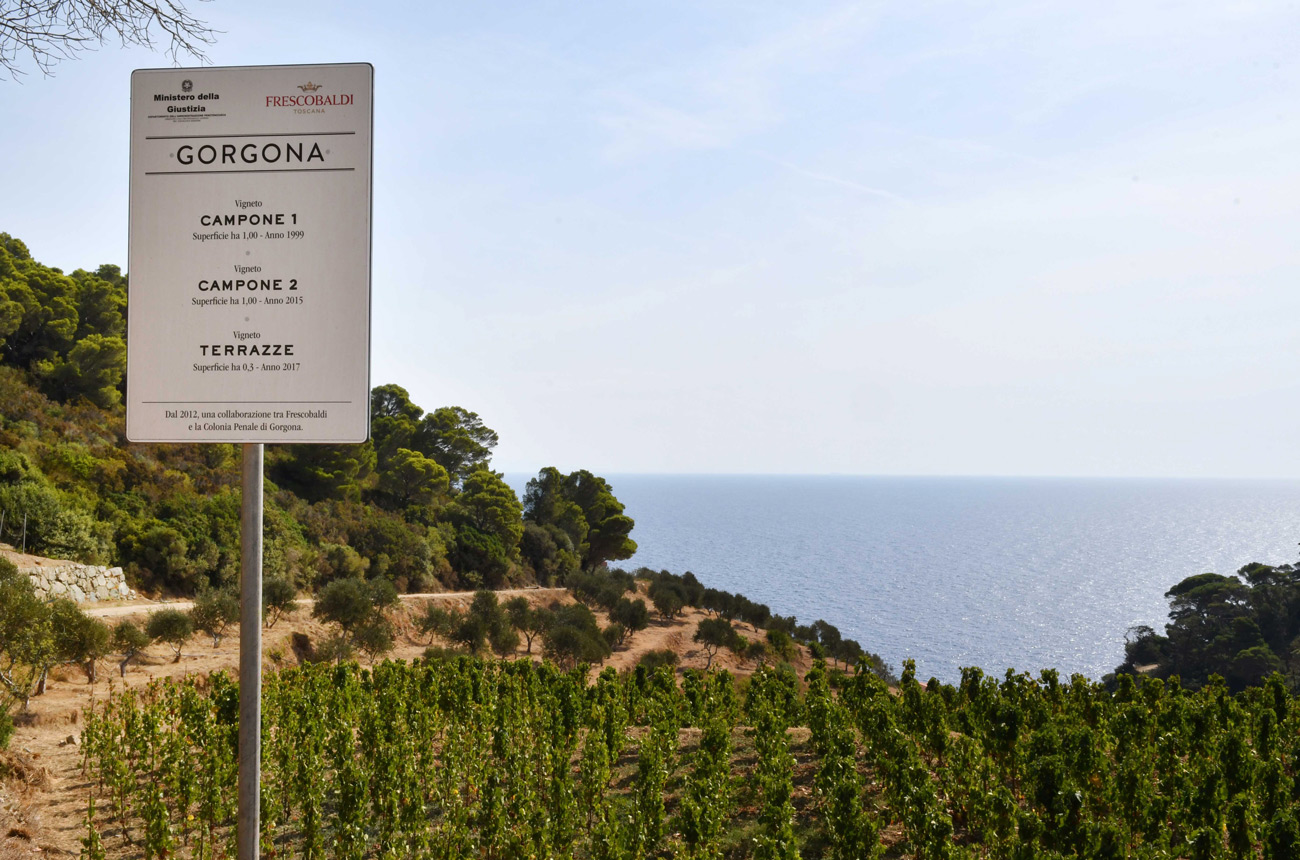
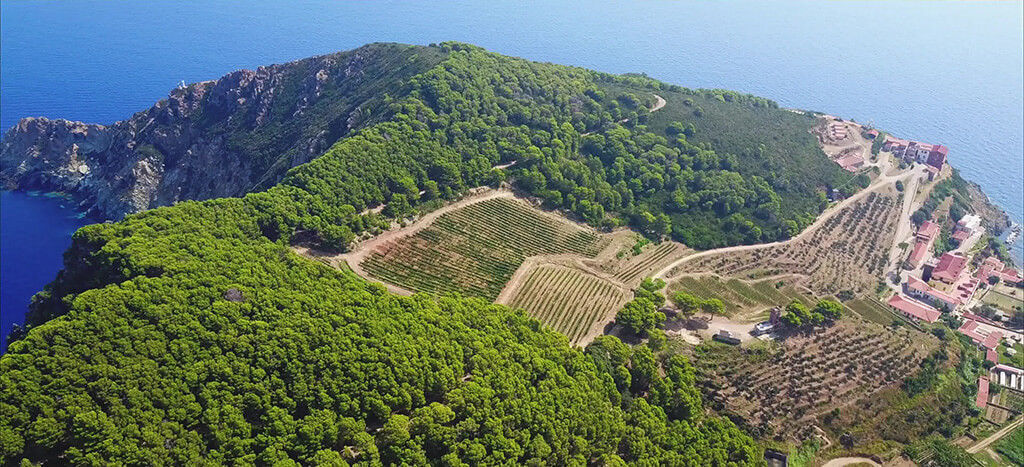
Gorgona, off the coast of Livorno
There is no wine in the world quite like Gorgona, and it has very little to do with the grapes. It comes from the smallest island of the Tuscan archipelago, a green rock rising from the sea off Livorno, and it is made with the help of the men who live there as inmates of Italy's last working island prison.
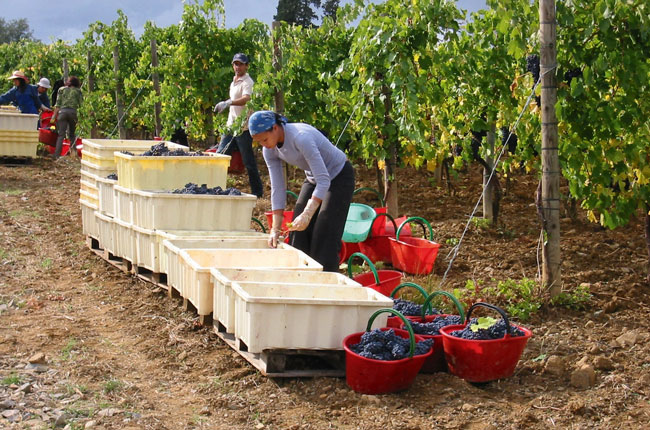
The harvest, gathered by hand on the island
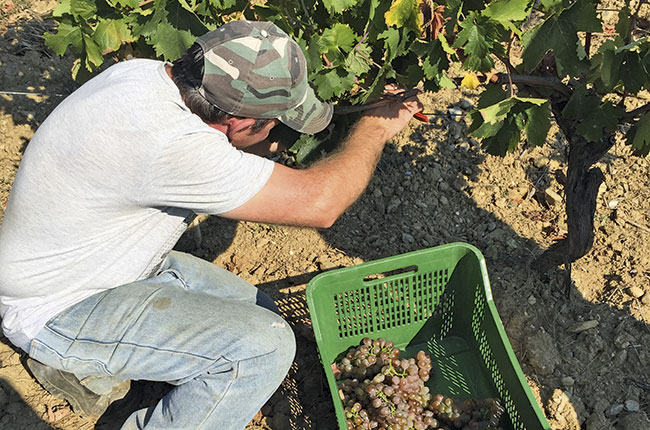
Every bunch picked by hand
The project began in 2012, when the prison authorities approached the Frescobaldi family, whose history in Tuscan wine stretches back some seven centuries, and asked whether they might help revive a small vineyard on the island. Lamberto Frescobaldi agreed, and what began as a modest experiment has become one of the most moving stories in Italian wine.
A collaboration between Frescobaldi and the Colonia Penale di Gorgona
The inmates tend the vines and help make the wine under the guidance of the Frescobaldi team. They are paid for their work and learn a trade they can take with them when they leave, and the results speak for themselves: those who take part are far less likely to return to prison. On an island where visitors are strictly limited, the vineyard has become a place of pride and purpose.
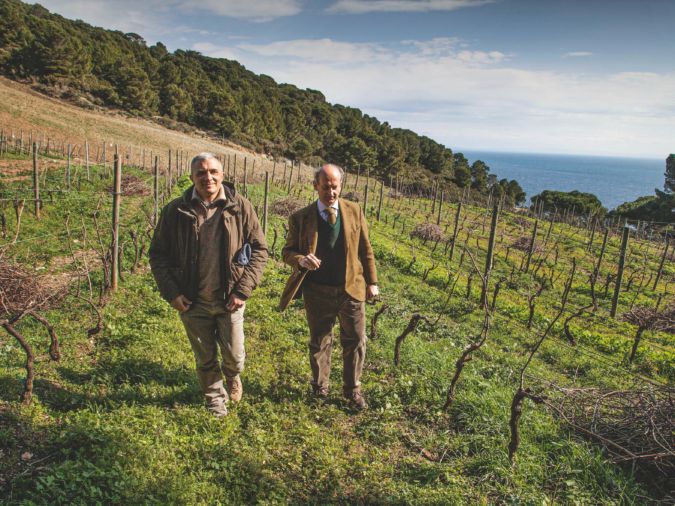
Walking the rows, with the sea below
The island, its vineyards and the sea
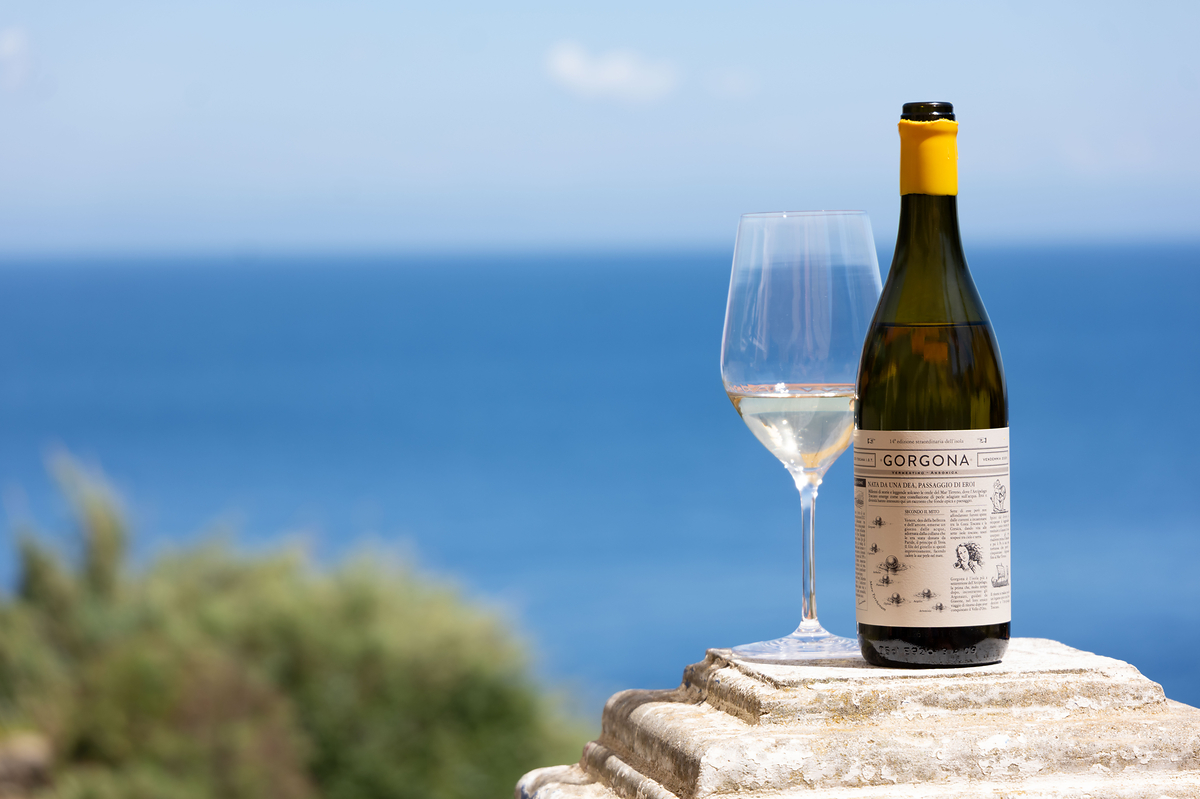
The wine itself is a white blend of Vermentino and Ansonica, grown within sight of the sea and shaped by salt air and island light. Production is tiny and every bottle carries a story on its label, told by one of the men who helped make it. Few wines ask you to think about the people behind them quite so directly, and fewer still repay you so generously.
A bottle of Gorgona, poured beside the sea
A vineyard where the harvest is measured in bottles and in second chances.
Thelema: Do What You Will, High on the Helshoogte Pass
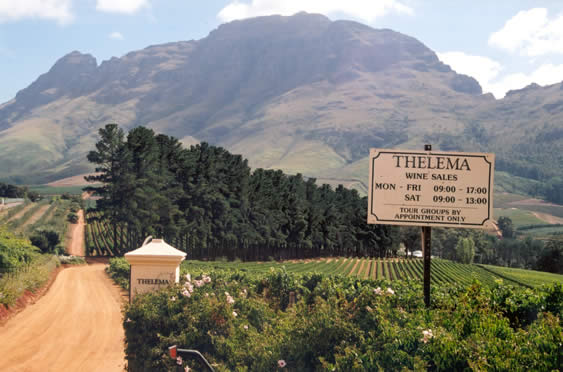
The road in, high on the Helshoogte Pass
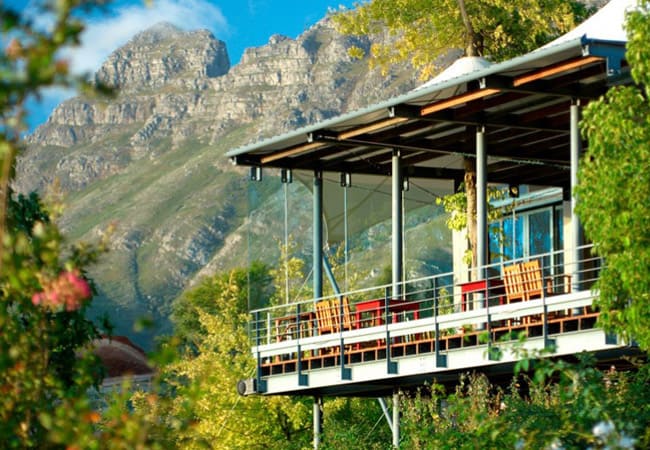
High on the Helshoogte Pass above Stellenbosch, where the Simonsberg looks down over the vines, Thelema makes some of the most admired wines in South Africa. The views are glorious, the air is cool and the family who run it are among the most down to earth people you could hope to meet.
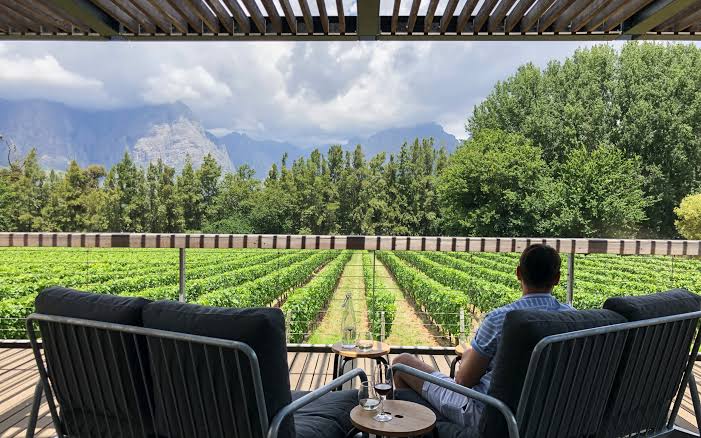
Afternoon on the terrace, looking out over the vines
The upper deck, with the Simonsberg close behind
The name comes from Rabelais, and his imaginary Abbey of Thélème, whose only rule was do what you will. It suits the place. When Gyles and Barbara Webb took on the farm in 1983 it was a neglected fruit farm belonging to Barbara's family, and Gyles was an accountant with a passion for wine rather than a winemaker. He went back to study, planted vineyards on the red granite soils and set about doing exactly what he wanted.
The family in the vines
It worked beautifully. Today Thelema is spoken of as a classic of South African wine, which can make it easy to forget how quietly revolutionary it was when Gyles first planted. He chose varieties the Stellenbosch of the early 1980s barely grew, and he put them on the high cool slopes of the Helshoogte where few thought vines worth the trouble, trusting the granite soils and the mountain air to do their work. Within a few years the wines were being talked about as the new stars of the Cape, particularly the Cabernet Sauvignon, and the estate has never lost that reputation. The next generation, led by their son Thomas Webb, now carries it forward with the same easy confidence.
End of the day in the vines
Their flagship bears the name of the man who inspired the farm. Rabelais is a Bordeaux style blend made only from the finest barrels, deep and structured, yet with the freshness that the high slopes give. It is a fitting tribute to a writer who believed life should be lived fully, generously and with a glass in hand.
Members will hear first when the next story is published. In the meantime, the cellar is open and the Concierge is on hand should anything catch your eye.